Full article about Galegos: where oak smoke drifts over granite and legends
Roast kid, bear-paw granaries and sung insults in Póvoa de Lanhoso’s pocket-sized parish
Hide article Read full article
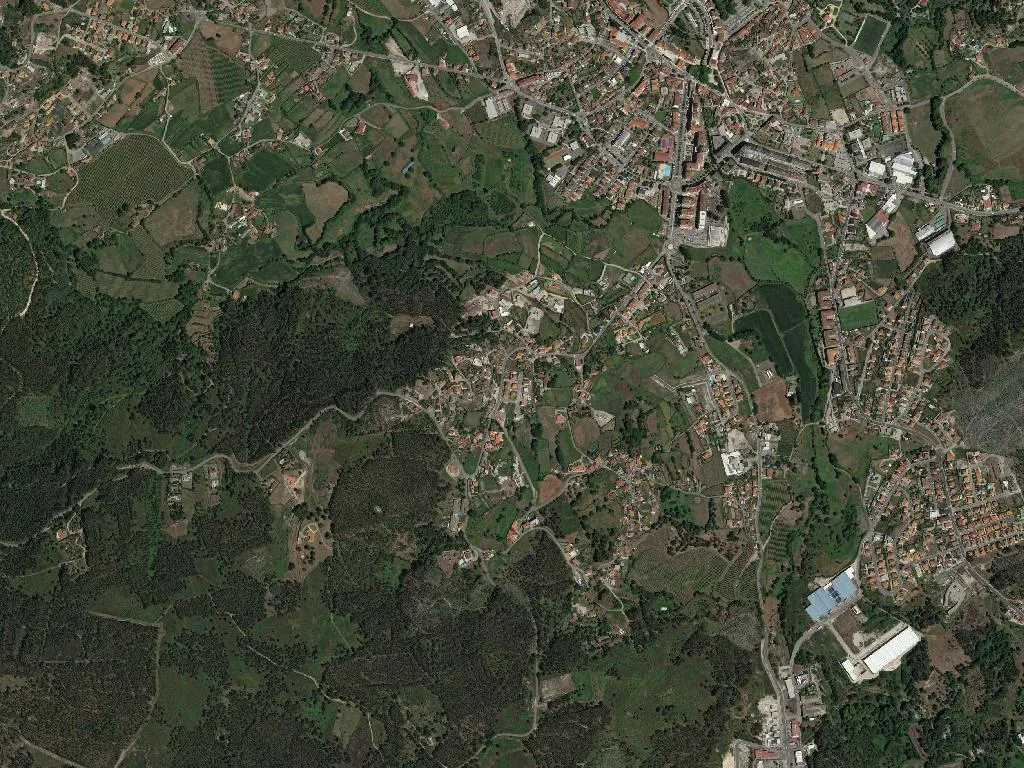
By seven-thirty the air in Galegos already smells of oak smoke and roasting kid. Zé Mário is out behind O Moinho, turning the spit with one hand and scolding the fire with the other; inside, the clay oven exhales a sigh that drifts over slate roofs and settles among the stone-walled meadows. The village – 559 residents, 294 hectares – sits in a granite bowl 237 m above sea level, small enough to cross on foot before the church bell finishes its third strike, yet old enough to have opinions about Visigoths, pilgrims and the price of chestnuts.
Bear prints in the bread pillars
Galegos sounds Galician, looks Minho, and confuses everyone, locals included. Official histories mumble about medieval settlers; what matters is that someone, centuries ago, decided the slope caught the sun just so and refused to leave. The parish church of São José, all gilt fatigue and 18th-century swagger, still outshines most district capitals, while three diminutive chapels – São Sebastião, Nossa Senhora do Carmo and São Roque – serve as spiritual pit-stops within staggering distance of one another.
Ten minutes away, in the hamlet of Vilar, stands the communal granary: a granite stilt-house raised on six phallic pillars. Carved into two of them are perfect bear paws, five toes splayed like a warning. Folklore claims they frighten mildew from the maize; cynics blame a bored mason. Either way, the prints are deeper than any footprint you’ll leave.
Soup, masks and sung insults
On 19 March the village consumes twice its body weight. Mass finishes at ten, procession at eleven, then the churchyard becomes a soup kitchen. Iron cauldrons – ex-army, ex-something – brim with caldo verde thick enough to stand a spoon in: kale, kidney beans, hunks of chouriço and the only corn bread Dona Rosa will allow to carry her name. By nightfall the council van unfolds into a stage, speakers scavenged from Barcelos market, and the parish square becomes an open-air tavern where musicians trade improvised quatrains like punchlines.
The romaria of São Sebastião migrated from frostbitten January to the first Sunday in July for obvious meteorological reasons. Now it draws folk-dance troupes from Fafe, rag-rug vendors and a desgarrada singing duel loud enough to make the chestnut leaves blush. Uncle António insists the standard has slipped; Uncle António’s hearing aid whistles in protest.
Barrosã beef, rye pudding and green wine that bites
Back at O Moinho the kid has another hour to go. Zé Mário bastes with olive oil, garlic and the same stories he told last week, while the coals glow like small suns. When it finally arrives the meat is lacquered, the ribs curved like nautical instruments. The accompanying rojões – Barrosā beef from cows you passed grazing on the ridge – is brought to table in a clay pot, fat collapsing into potatoes that drink the juices and swell like brioche.
Pudim de São José follows: rye breadcrumbs, cinnamon, sugar enough to make a dentist wince. The green wine comes from Quinta do Outeiro, 500 m towards Lama, bottled without label or apology; the bagaço fire-water smuggled in a coffee cup could degrease an engine. Even the honey carries DOP swagger – “Terras Altas do Minho”, as if these hills were Himalayan. Last summer Rui at the tasca hid ten jars for a coach of German hikers. They left smiling and slightly radioactive.
Five kilometres of mills, streams and women who refuse domestic appliances
The Mills’ Trail begins at the granite cross by the cemetery and ends when your thighs say so. Officially five kilometres, it multiplies if you pause to photograph every stone dovecote and lizard. Three watermills have been restored: one still grinds fortnightly for the feast of São João, another serves as an impromptu bar where the owner pours vinho verde from a plastic jug. Beside the cascades, concrete wash-houses – lavadouros – remain the village’s social network. Washing machines gather dust while gossip is rinsed and wrung under plane trees.
Climb to the Cruzeiro Alto and the Gerês massif floats in the distance like a charcoal smudge. Sit on the pine bench, listen to nothing, then walk back down when the bell tolls again – a sonic breadcrumb leading you to supper. Twilight pools in the meadows; someone has left an unclaimed jar of honey on the tavern table, its lid askew, a silent invoice for anyone who wants to carry a spoonful of Galegos home.