Full article about Lanhoso Awakens to Drumbeats on St Joseph’s Day
Coffee steams on wrought-iron balconies as red-jerseyed brotherhoods parade past Romanesque pillory
Hide article Read full article
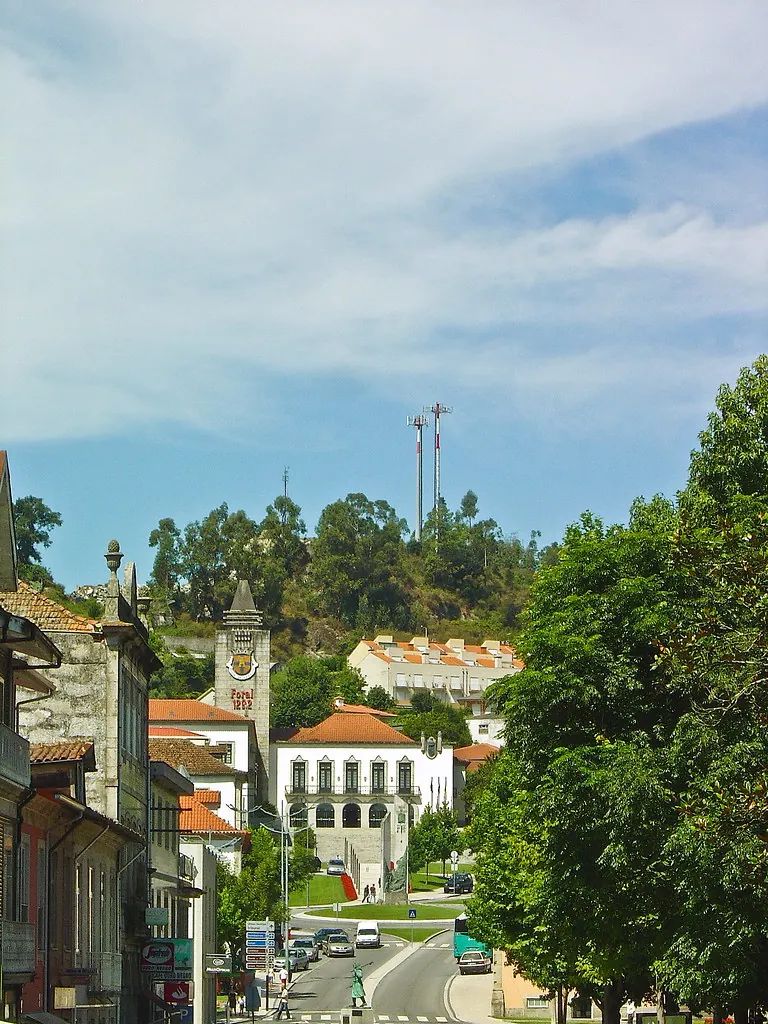
The first drumbeat ricochets down Rua do Eirado at 07:30 sharp. By the time the red-jerseyed, top-hatted brotherhood of São José da Vila comes into view, half of Lanhoso is already leaning from wrought-iron balconies, coffee in hand. It is 19 March, the feast of St Joseph, and the village still wakes the way my grandmother remembered: snare-drum and bass-drum, the “rumour of Lanhoso” she called it, passed down like a family crest.
A pillory that isn’t Manueline at all
Ignore the guidebooks: the granite column in Largo Dom João I is no lace-work Manueline fantasy. It is fifteenth-century bluntness, a reused Romanesque capital plonked on top after King Afonso V renewed Lanhoso’s charter in 1446. The same document fixed the annual fair at 18–20 March; farmers from Travassós still haul cattle in the dawn half-light, headlights replacing the torches that once guided them down to the Ave river meadows. The parish church next door is a post-1892 rebuild after an altar-boy candle got out of hand, yet its Baroque altarpiece survived: four gilded panels of St Joseph, Virgin and Child rescued from Braga’s demolished São Domingos convent, smuggled here in carts under cover of night.
A castle the Romans skipped
Take the EM534 out of the village, leave the car among the eucalyptus at Merujal and climb eight hundred metres of schist path. The summit is a layer-cake of anxiety: Visigoths (7th c.), Moors (10th c.), Afonso Henriques tightening the belt after 1130. No Roman bridge crosses the Ave; the one you just drove over on the EN206 is medieval, rebuilt in 1320 by Bishop Dom Martinho Pires and bent into three unequal arches when the river shifted course in 1742. From the curtain wall you can sight the Serra da Cabreira and, in the opposite direction, the last rusted rails of the Corgo line, closed 1990. Lanhoso’s station is now a music school; on Saturdays, trumpet scales drift through broken ticket windows.
Drums, concertinas and the “lady’s dance”
At 15:00 the procession slips out of the church, turns down Dr José Sampaio, nips left into Praça da República and ends at the fairground stage. Gaitas & Cordas, formed in 1987, squeeze out vira rhythms on imported Hohners while the Lanhoso band – founded 1923, rehearsing these days in the old Cinema Paraíso – keep the bass-drum heartbeat steady. When the incense clears, the crowd migrates to the Hunters’ Club pavilion for charcoal-grilled sardines and the baile da senhora, a village-scale barn dance that starts at 22:00 and ends only when the parish-council generator coughs its last, usually around 02:00. Bring shoes that forgive stepping on pine needles and spilled vinho verde.
What actually lands on the plate
At O Abocanhado, the Barrosã steak (IGP since 1996) arrives in 600 g slabs, dry-aged by the cooperative in Vilar da Veiga. Sarrabulho rice is thickened with pig’s blood from Calvos and stirred for three hours; the accompanying corn bread uses “Amarelo do Minho” kernels still ground on Fridays at Águas Santas watermill. On tap you’ll find Loureiro from Quinta da Pitarca in neighbouring Fafe; for pudding there is toucinho-do-céu baked to an 1899 recipe by Frei João in the now-vanished Benedictine convent. The honey, DOP since 2005, tastes of heather and gorse from the Barroso plateau – spread it on the local pão de ló and you understand why the Moors never quite let go of these hills.
The river trail and the granite beach
The 5.2 km Trilho do Rio begins behind the football pitch, follows the Agra mill leat, crosses a timber footbridge at Merujal and loops back along the Ave’s left bank past stone silos that once stored water-mill grain. Allow ninety minutes, but pack swimmers: in 1952 the parish improvement board carved a river-beach into the granite, complete with stepped stands and dressing-caves. When the fair’s sponge cake runs out, half the village decamps here to cool off before the midnight firework fusillade launched from the castle terrace and visible the full length of the valley.