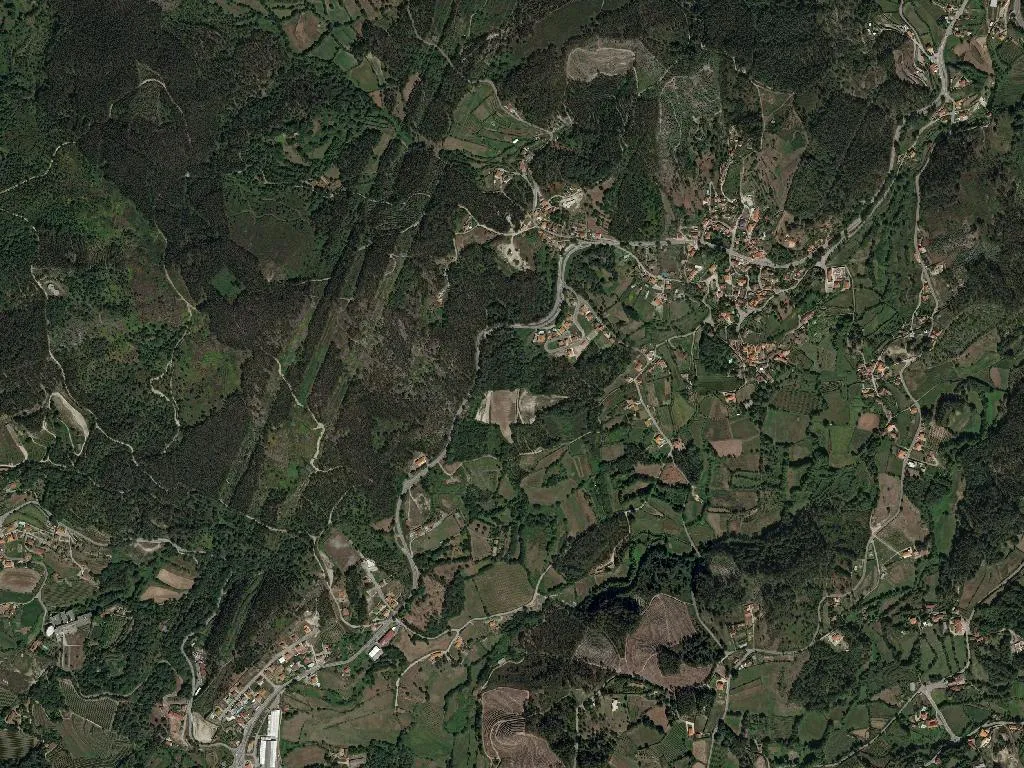
Full article about Rendufinho: Where the Bell Counts the Day in Barrosá Beef &
Vine-ridged Rendufinho rises 304 m above Braga, feeding 650 souls on DOP Barrosã beef, chestnut-blos
Hide article Read full article
The Bell That Measures the Day
The bell in the parish tower strikes three times — dry, deliberate, never four. In Rendufinho the note carries unchecked up the vineyard ribs that flank the N103, ricochets off schist walls, then dissolves among centuries-old oaks that double as boundary stones. At 304 m above sea level the air is thin enough for sound to feel physical; 650 souls are scattered across such generous plots that you can stretch your arms without touching a neighbour.
What the Land Puts on the Table
Barrosã beef arrives with both DOP credentials and the back-story of Thursday livestock fairs where deals were sealed with handshakes, not contracts. In village kitchens the freely grazed cattle becomes carne com batatas, rust-coloured sarrabulho rice, pork belly rojões that cancel January diets. Beside them sits Terra Alta honey — another protected name — harvested from heather and sweet chestnut blossom. This is not honey to swirl into supermarket yoghurt; it is honey to spoon straight from the jar when no one is looking.
Vinho Verde is decanted from three-litre glass flagons closed with bark stoppers that sigh “ploft” on opening. No tasting notes, no poetry on the label: just Atlantic acidity that grazes the tongue and alcohol that warms the stomach without asking permission.
São José Comes Home
19 March, the feast of St Joseph, is still announced the old way — a sentence slipped into Sunday mass rather than a Facebook event. By dawn the A28 disgorges hatchbacks washed only by rain, boots crammed with Swiss chocolate and Extremaduran ham. Aunt Albertina props her front door open for nephews not seen since Christmas; Zé do Café laces espresso with bagaço for the men who colonise the square. Supper is never before 23:00. No rock concert, no fireworks; just the village folk ensemble cycling through the same laments your great-grandparents danced to, and a cousin who insists on recounting the pomegranate heist at Sequeira’s orchard in 1987.
Arithmetic of Decline
Seventy-seven children under fourteen. One hundred and twenty-nine residents over sixty-five. Do the maths: two grandparents for every grandchild. The primary school shut a decade ago; its slate roof now shelters a day centre where the lesson is remembering where the glasses were left. Three granite houses have been converted into self-catering lets by families who scattered to France, Luxembourg, Johannesburg. Guests don’t come for monuments — they come to watch time pool and slow, to sample a silence you can’t buy within 50 km of a traffic light, and to understand why a suitcase and a dream once seemed a fair swap for all this.
What Lingers
At sunset the ridge-top shrine of Nossa Senhora do Bom Sucesso throws a copper veil over whitewashed walls and wood-smoke rises ruler-straight. This is not picture-postcard Portugal; it is real life with bakery bills and a neighbour’s dog that barks at 03:00.
Rendufinho will not change your life. It will simply remind you that somewhere the day is still measured in bell strokes, coffee costs eighty cents — unless the waiter clocks your accent — and time stubbornly refuses to be money.