Full article about Travassos: where the bell still tolls by hand
Póvoa de Lanhoso hamlet where schist echoes, beef is WhatsApped and honey comes in milk bottles
Hide article Read full article
The bell strikes seven
The church bell tolls at seven, not six as in proper towns. Its note ricochets off the schist terrace, ricochets again from the cistern roof, then trickles downhill, rattling the flax strung from balconies. Travassos has no electric clapper: only the iron tongue that Sr Armando pulls with the same hand that stripped kale for last night’s broth.
Books say the name is Latin, but inside the parish it means something else. “Travassos” is where you ford the stream on foot, where cows on opposite banks know each other by the pitch of their bells. It is the point where the dirt road changes council – no sign required, the eucalyptus smells different on Lanhoso’s side.
Stone, lime, devotion
The church has two doors: the front for feast days, the side one that lets in the scent of baking bread when the ten-o’clock mass slides towards eleven. The wooden ceiling always creaks in the same place; locals know it happens the moment the priest says “offertory”. On St Joseph’s day the terrace fills with plastic tables borrowed from the day-centre. Women bring aprons from home, men drink the same white wine that has sat in the washing-up bottle since Christmas. The procession descends to the Carvalheira wayside cross, then turns back. No one starts an engine: you walk down hungry, you walk up starving.
Beef, honey, wine that burns
Barrosã beef is not ordered at the butcher’s. On Friday you loiter outside Celestino’s and ask if Sequeira’s cow is still in the pen. When the animal is slaughtered the entire village is WhatsApped. The joints appear at six a.m., still warm, in carrier bags saved from the last market. They are grilled over dried oak that smells of winter nights; the salt comes from Minipreço, but the timing is ancestral – turn the rib when the neighbour’s rooster crows for the second time.
Honey arrives in washed milk bottles, labels inked in biro. Every buyer leaves with a free cornmeal cake – Sr Albano’s thank-you to anyone who doesn’t complain about the wax at the bottom. The honey is dark; first-timers always say “tastes of burnt earth”. It is heather and gorse, yes, but also the smoke of São João bonfires still trapped in the comb.
Between terraces and tracks
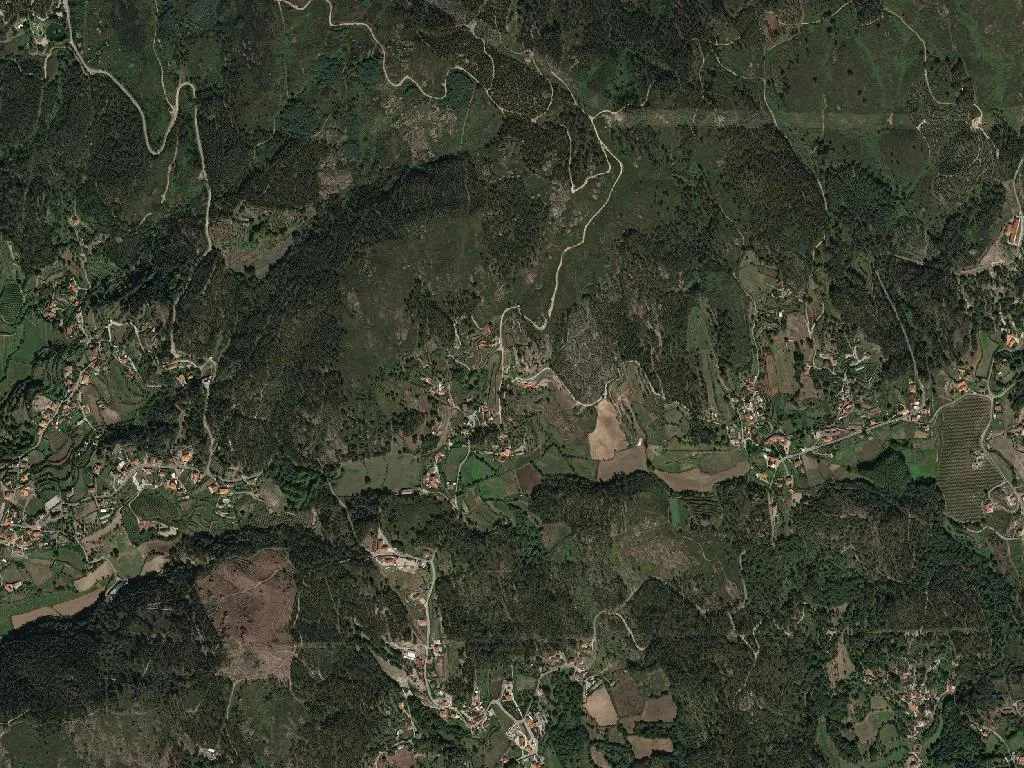
The vineyards are too small for the map. Each terrace has an owner, and each owner remembers which stone snapped his hoe last year. Paths have no arrows; they have chicken footprints leading to the spring, flattened grass where Manel’s cow passed this morning. When a stranger asks “Where does this lead?” the answer is always “To Dona Aldina’s house.” Only afterwards: “Then on to Soajo, if you like.”
Life left outside
The grocer’s opens at eight-thirty, but the key stays under the mat because D. Odete walks for her bread. Inside, a notebook records debts – no signatures, just “2 packs pasta, Zé da Tenda”. The census says 605, yet villagers insist there are more: they count those who died in Braga hospital but still hang in living-room photographs, sons who emigrated yet send money for roof repairs. The local lodging is the house where grandmother died; guests drink machine coffee from the petrol station because the kitchen espresso pot rattles so loudly it wakes the downstairs dog.
At dusk the bell rings again. This time it is neither summons nor warning: simply the day closing, as if the village fastened the top button of a wool coat. Smoke rises straight from chimneys – the wind knows every tile and wouldn’t dare disturb them.