Full article about Campo do Gerês: dawn, granite and goat slow in embers
Mist-clad maize-lofts, 1750 church and wood-roasted kid in Peneda-Gerês
Hide article Read full article
Dawn on granite
At first light the granite itself exhales cold. Fog slips down from the Gerês ridge the way a neighbour pops out for bread—first it swallows the summits, then the oaks, finally the stone maize-lofts. Campo do Gerês wakes in monochrome, sound muted by whiteness. Only the church bell cuts through, metallic and remote, an old man coughing in the square.
Stone with a memory
The parish church has stood its ground since 1750, as stubborn as the granite blocks that built it. Officially a National Monument, but what matters is how the façade darkens to the colour of over-extracted coffee in rain, then blanches to kitchen-wall white in sun. Beside it, the chapel of Nossa Senhora do Livramento keeps a dusty catalogue of answered prayers: wax limbs, silver hearts, wilting marigolds. Across the meadows the espigueiras—stone corn-cribs on stilts—stand like sentinels. Each one a pre-industrial pantry, designed to keep rats and weather from the harvest, and now a reminder that bread was once earned, not bought wrapped in plastic.
Sacred geography
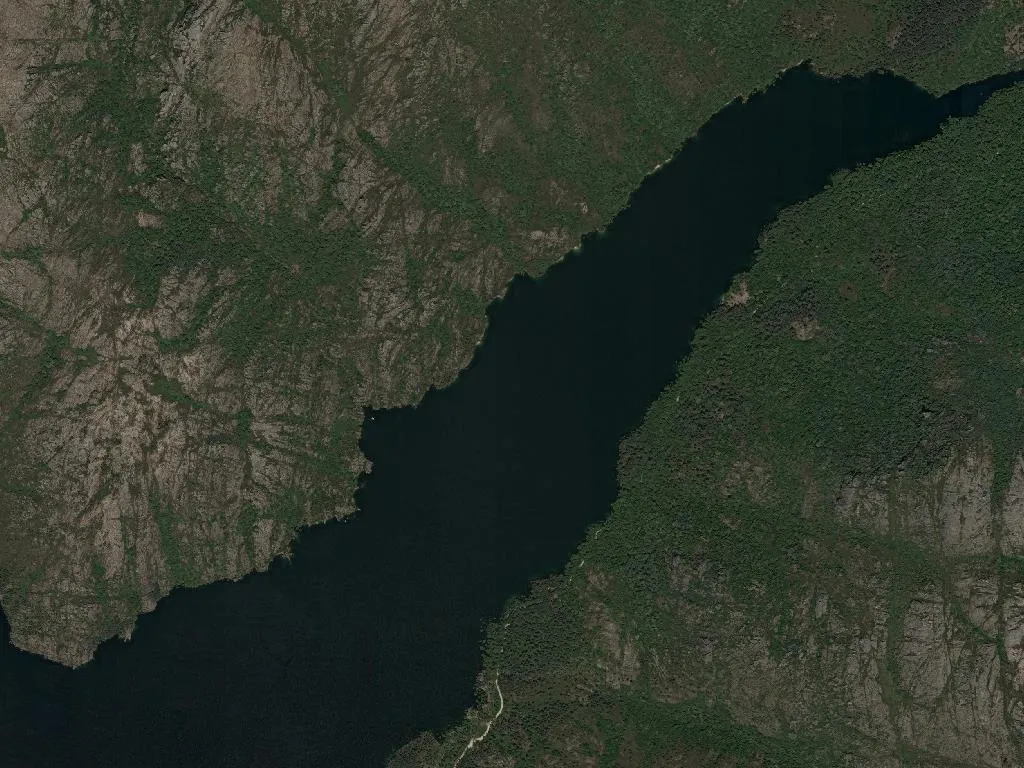
Campo do Gerês is one of the few Portuguese parishes that lies entirely within Peneda-Gerês National Park. The Homem and Cávado rivers slice the valleys like knives through butter. In the Albergaria oak wood moss carpets every surface, muffling footfall into near silence. From Pedra Bela’s lookout, Spain unfurls on clear days; after dark the Milky Way feels low enough to ladle into a jug.
Tastes that climb
Kid goat spends half the day in a wood-fired oven until the skin crackles like April frost and the meat surrenders at the touch of a fork. Chanfana, goat marinated overnight in red wine, then slow-cooked for three days in a clay pot, arrives with the depth of a confit. Rojões—nuggets of marinated pork—are tossed with chestnuts from the surrounding soutos, their sauce engineered to be mopped up with bread. Dona Augusta’s sponge cake rises as ambitiously as any politician’s promise; Terras Altas honey is thick as bar-room gossip. Between mouthfuls, a chilled Vinho Verde rinses the palate for the next plateful.
Pilgrims and parishioners
The medieval Caminho de Santiago has threaded through here for nine centuries: hikers with staffs and scallop shells, some propelled by faith, others by blisters. Every July the romaria of São Bento da Porta Aberta turns the village inside-out: 149 residents become several thousand. Streets fill with accordion-driven ballads, sardine smoke and fireworks that send dogs under beds. On the patron-saint weekend communal tables snake through the lanes; for three days Campo do Gerês imagines itself a city, then Monday returns it to 149 souls, the same dogs, the same quiet.
By late afternoon the granite catches fire from the lowering sun and the cold tightens its grip again. Wood-smoke rises straight from chimneys, scenting the air with burnt cedar and wet earth. It is the hour when limbs slow without permission, when silence settles in like an old friend. Campo do Gerês is no place for the impatient; it is where you lose time in order to find life.