Full article about Carvalheira’s woodsmoke drifts over Roman echoes
Granite bridges, oak-scented cafés and winter kid await at 647 m in Peneda-Gerês
Hide article Read full article
Woodsmoke before the kettle boils
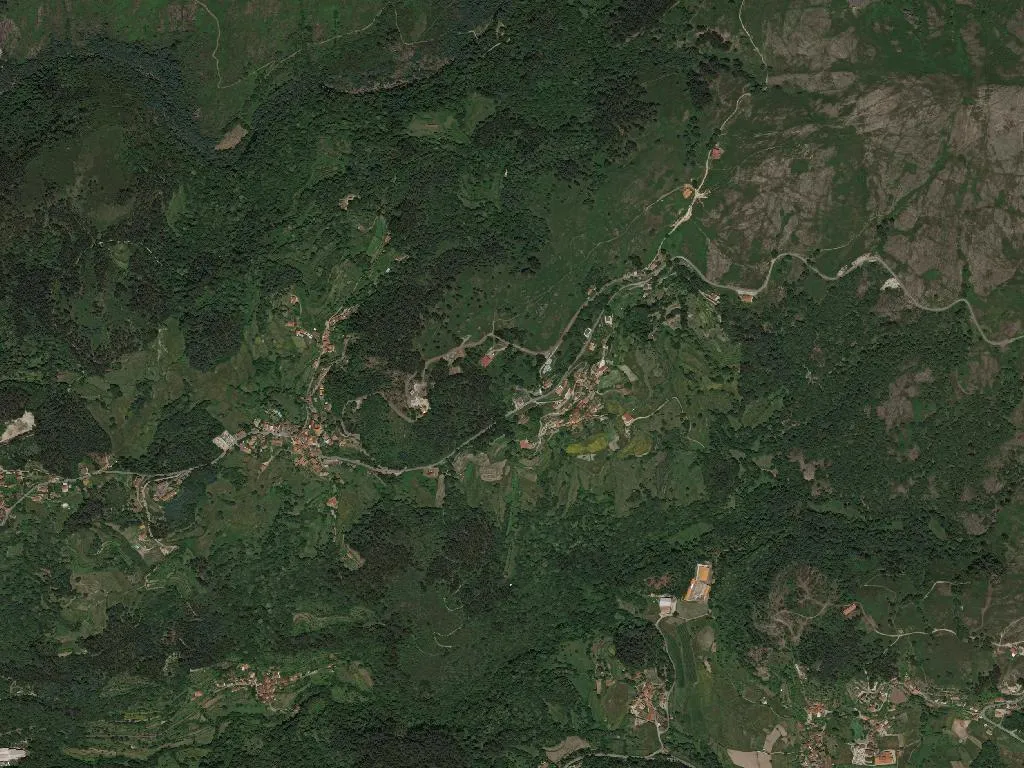
The scent of burning oak arrives before the café unlocks. At 647 m on the northern lip of Peneda-Gerês, Carvalheira’s chimney plumes drift across the valley, thinning into the same cold air that once carried the clang of Roman iron forges downstream. The Homem river is audible but unseen, a bass note under the conversation of 292 residents who still open their front doors to the weather, not the news. When snow seals the single tarmac switchback, the village simply closes its shutters and waits. No one suggests an alternative.
A bridge that predates the idea of detours
The Ponte de Carvalheira was already middle-aged when the Liberal Wars marched past in 1832. Today it ferries trout-farm workers to evening card games in Terras de Bouro, its granite slabs tilted like a see-saw. A Protected Monument sign means exactly that: no council crew may touch a stone. Ten strides away, the chapel of Nossa Senhora do Livramento keeps a baroque altarpiece dusted for the first Sunday in May, when the diaspora returns for a mass most will not attend again until next year. In the hamlet of Souto, a 1756 wayside cross has lost its inscription to wind the way old phone numbers vanish from memory.
The parish church of Santo André, rebuilt on 13th-century footings, filters 7 a.m. light through eighteenth-century azulejos the colour of a storm-ripe sky. Outside, granite corn cribs stand in line like gossiping widows, each with its own rain-drilled peephole.
Winter larder, slow fire
Order the wood-oven kid two days ahead at the Ferreiros’ house. The skin crackles with the same pitch as a crêpe, though no one here would use the French word. Feast-day sarrabulho—pork liver and blood stew thickened with cornmeal—arrives at table still pulsing with clove and bay. January is slaughtering month: Aida next door threads her own chouriço, dark as mahogany; black pudding is bulked with local rice; and smoked belly bacon emerges the colour of wet granite. The rye loaf from Campo do Gerês weighs like a river stone and stays edible for a week. José Manuel’s heather honey is sold from a pantry that smells of beeswax and wet wool; his sheepdog answers only to “Blackbird”. Vinho verde is trained up schist terraces no wider than a dining table—Loureiro for the hot months, tannic Borraçal when the mountain turns on you.
Trails that leave the signal behind
The Carvalheira footpath starts above the churchyard. Eight kilometres that grandmother Dores once covered in carpet slippers for firewood now appear on hiking apps, yet the route is unchanged: through alvarinho oak where the loudest sound is your own boot snap. Near the ridge, gorse and broom part to reveal a theatre curtain of peaks stretching from the Carris plateau to the Homem reservoir. Lower down, river pools are the size of farmhouse kitchens—room enough for a swim after bread and chouriço.
The Portuguese Coastal Camino cuts straight through the village. Pilgrims sleep in the parish albergue—a converted primary school where I first learned to write my name—and eat whatever is simmering: vegetable soup or “floor-pick” rice with whatever the hen house yields. They leave at dawn, guided by Santo André’s bell that even the village dogs no longer bother to bark at.
By late afternoon the oblique sun ignites the granite walls and the chimneys resume their basso profundo. Footsteps on the bridge echo like a memory that refuses to fade: stone, water, silence—and woodsmoke telling you the day is allowed to end.