Full article about Gondoriz
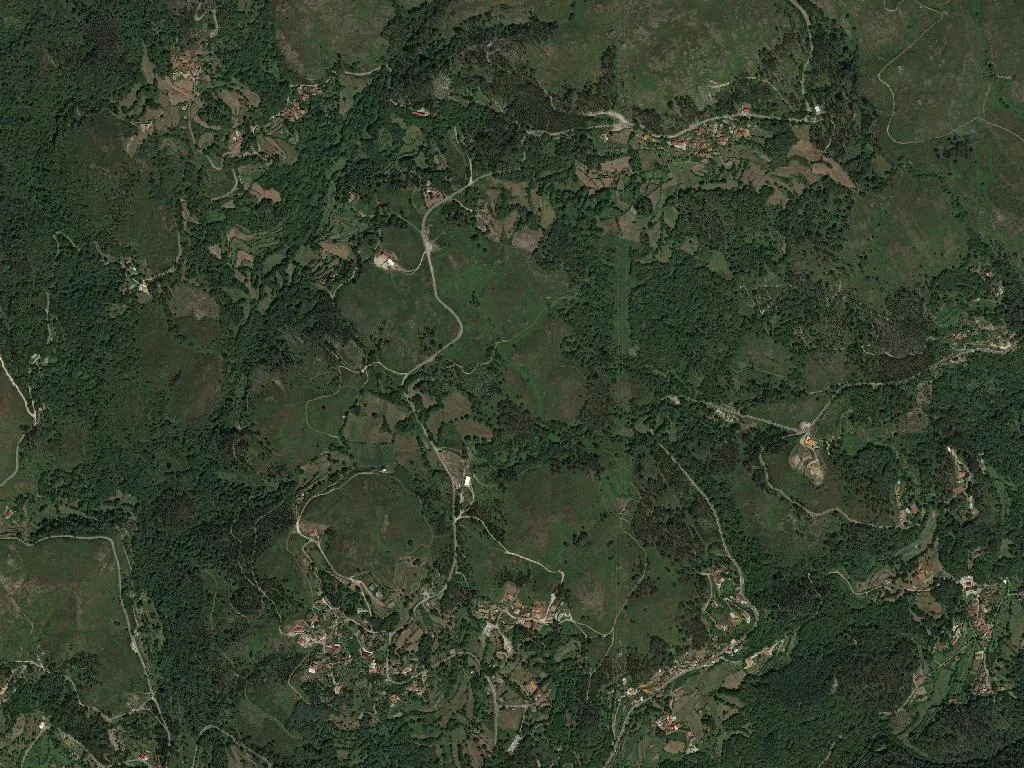
Gondoriz, Terras de Bouro: 411 m hamlet in Peneda-Gerês, famed for bitter heather honey, stone-terrace wine and granite silence.
Hide article Read full article
A Bell’s Echo Through the Valley
The church bell’s report arrives unsullied, rolling down the slate roofs and granite terraces until it reaches the valley floor. At 411 metres, the air feels as though it has been wrung out in the Gerês summits: cool, iodine-sharp, carrying the mineral breath of wet rock and gorse blossom. Stand still at dawn and the silence is almost surgical—broken only by the soft click of cattle hooves on the cobbled spillway or the hiss of a neighbour’s coffee pot through an open shutter.
Gondoriz occupies barely seven square kilometres within Peneda-Gerês National Park, yet every hectare is negotiated with the mountain. Walls are shoulder-height granite puzzles, capped with moss the colour of oxidised copper. Maize cobs hang from first-floor balconies like drying tobacco; by late August they resemble amber necklaces against the schist. The parish council’s entire census would fit inside a London double-decker—296 residents—yet the place feels neither empty nor museum-still. It simply refuses to hurry.
Honey that Tastes of Height
This is one of the last pockets entitled to label its honey Mel das Terras Altas do Minho DOP. Above 400 metres heather, rock-rose and chestnut bloom in succession, and the bees translate their resinous sap into something dark, almost bitter, that crystallises within weeks. Spread across warm cornbread it tastes like the mountain’s shadow—serious, slightly medicinal, the taste you want when Atlantic weather rattles the windows.
Vines survive here too, though they must be coaxed into southerly stone terraces no wider than a dining table. Locals call the wine vinho de mesa without apology: light, low in alcohol, designed to be swallowed young with wood-oven kid or smoke-laced sausages that curl like question marks above hearths.
A Calendar Set by Saints
Time is still apportioned by feast days. On the first Sunday after 15 August the population doubles—cars nose-to-tail for a kilometre—when Nossa Senhora do Livramento is carried in procession beneath a canopy of white linen. The same happens in late October for Santa Eufémia, whose image is ferried from the mother church to a hillside chapel while brass bands compete with cowbells. Later, thousands pass through on the road to São Bento da Porta Aberta, a pilgrimage so large the national guard re-route traffic via the neighbouring hamlet of Campo do Gerês.
Gondoriz also sits on the northern variant of the Camino de Santiago. Pilgrims appear at breakfast time, boots powdered with quartz dust, asking politely for the public fountain. They rarely stay; the next climb to Portela do Homem begins immediately behind the last house and is steep enough to make atheists murmur prayers.
Darkness arrives abruptly. One by one, windows glow orange behind granite mesh, and the only soundtrack is the Laboreiro river foaming unseen through the gorge. If you walk uphill a hundred metres and look back, the cluster of lights resembles a small boat tethered to nothing, adrift on an ocean of black pine.