Full article about Moimenta’s Dawn Bells Echo Through Granite Lanes
In Terras de Bouro’s smallest parish, faith, honey and oak-smoke shape every sunrise
Hide article Read full article
The Sound of Spires at Dawn
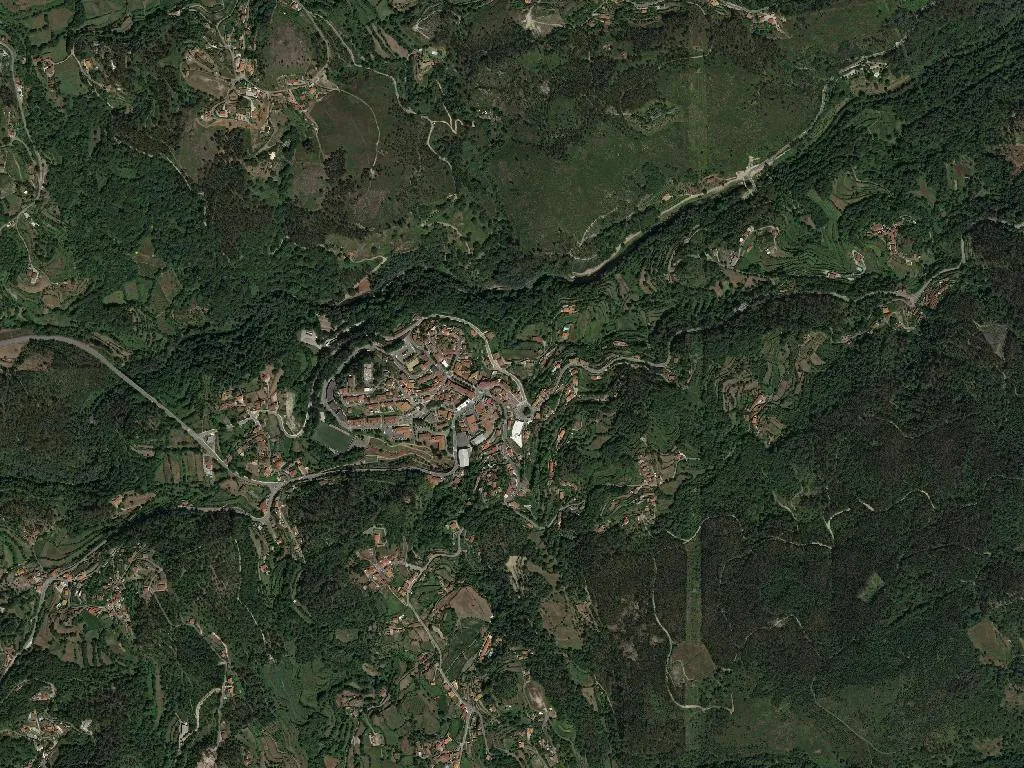
The bells of Igreja de Moimenta strike six, and their bronze voices roll down the valley like slow thunder. At 153 m above sea-level, dawn light slants across cobbled lanes still warm from yesterday’s sun, picking out the quartz veins in granite walls. Wood-smoke drifts from a chimney; someone has risen before the sun to coax yesterday’s embers back to life. The air tastes of stream-water and oak tannin, the first notes of a day that will end with green wine under the fig tree in the church square.
Moimenta covers barely three square kilometres, yet every stone seems to remember who placed it. Population 783 – enough for three generations to fill the pews on Sunday, not enough for a cashpoint. Whitewash flakes from the cottages like old letters opened too often, exposing the grey skeleton beneath. The elderly outnumber schoolchildren two-to-one, but when the priest intones the final benediction the threshold of the baroque chapel becomes the parish’s unofficial parliament: debates on rainfall, maize prices, whose grandson is studying in Braga.
Between the Liturgy and the Calendar
Faith here is less pilgrimage, more pulse. August brings the Romaria de São Bento da Porta Aberta – a three-day exodus of Minho neighbours who climb the medieval track past granite calvaries thick with lichen. During the municipality’s São Brás festivities the square smells of blistered chouriça and sugar-crusted doces de São Brás, their anise perfume lingering longer than the fireworks. Processions still follow the stone-walled lanes once used for transhumance; shoulder-height recesses every hundred metres once held oil lamps to guide night-time shepherds, now they cradle wax offerings.
Honey, Vinho Verde and the Taste of Granite
Breakfast is slabs of crusty pão de centeio dredged through dark honey stamped DOP Mel das Terras Altas do Minho: heather and chestnut bloom in crystallised form, the viscosity of something that refuses to hurry. By late afternoon the focus shifts to vinho verde from the vines that scramble up pergolas behind the houses. Locals dilute it lightly with sparkling water – a spritz that predates Venice by several centuries – and pair it with papas de sarrabulho, a porridge of pork blood and cumin that tastes far better than it sounds.
Trails that Outlast Empires
Moimenta lies on the Portuguese stretch of the Caminho do Norte to Santiago; scallop-shell waymarks appear beside the village fountain where women once laundered linen. Northwards, the parish boundary dissolves into Peneda-Gerês National Park. A 45-minute climb through gorse and wind-sculpted oaks reaches the Senhora do Livramento lookout, where the Homem valley unrolls below like a badly tucked sheet. Return via the Roman road that linked Bracara Augusta to Astorga: two thousand years of cart ruts carved so deep you could lose a foot.
Stay the night in one of 40 bed-spaces scattered among converted farmhouses. At Casa da Dona Amélia you dine at the family’s own table – lamprey rice, quince cheese, heated discussion about whether the local council’s new composting scheme is EU meddling or common sense. Guests arrive for a single night and book three more, seduced by a timetable set not by algorithms but by wood-fired bread emerging at seven, by the river’s pitch-dark murmur, by stars bright enough to read the granite inscriptions on the 17th-century pillory.
When the lights go out they do so one window at a time, as if the village can’t quite locate the switch. Somewhere a dog barks, a door hinge complains, the church clock strikes the half. The sound folds itself into the valley like a note slipped between pages. Long after you reach the coast road you’ll still hear it: the faint, persistent heartbeat of a place that refuses to speed up.