Full article about Eira Vedra: granite hamlet where noon tastes of woodsmoke &
Four Marias, communal ovens & Zé’s caldo verde vie with the Braga frontier bell
Hide article Read full article
The Bell Rings at Noon
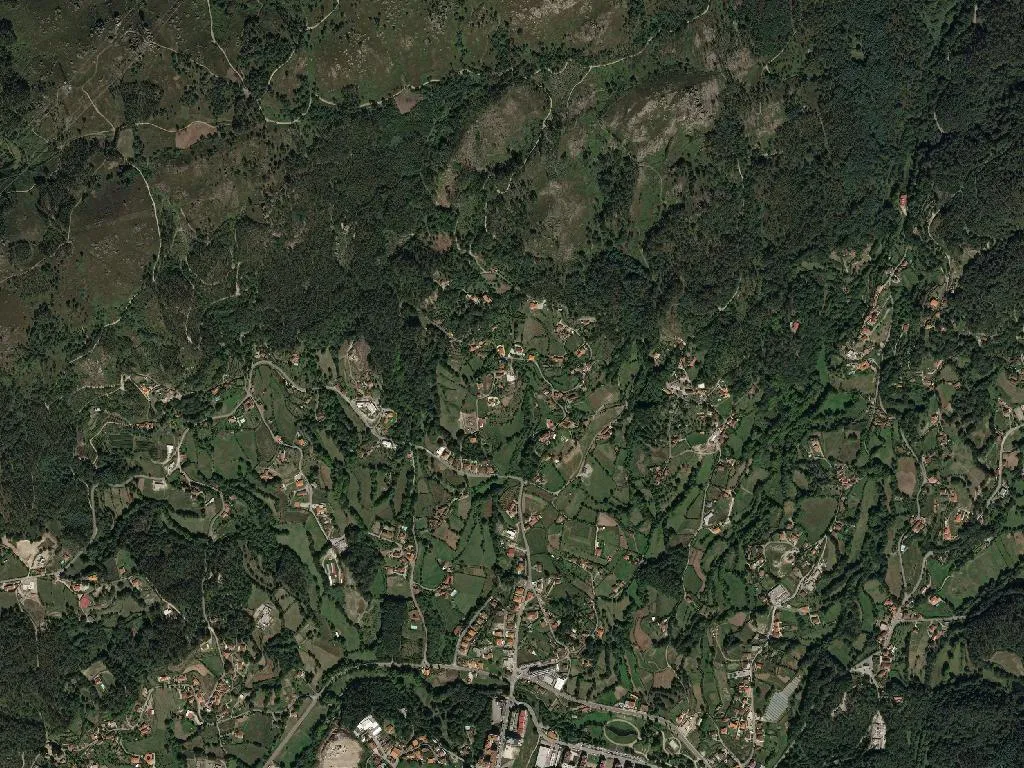
The bell of the parish church strikes twelve and the bass drum rolls downhill like a hound that knows every stone. At 455 m above sea level, Eira Vedra is built from its own bedrock: granite blocks the colour of weathered parchment, mortared with moss and wood smoke. The air is so clear you suddenly remember the bills you forgot to pay.
Four Marys, Four Altars
Village humour: there are four Marias here, none of them breathing. Each is a diminutive chapel to the Virgin, each with its own specialism. Nossa Senhora da Fé holds a September auction—bring your own folding stool, the benches fit six. Nossa Senhora da Lapa sits across a field that swallows shoes whole. Nossa Senhora de Orada glows through August nights as if someone ordered the sky to kneel and it forgot to stand back up. The fourth perches on the stone cross that marks the frontier between Vieira do Minho and the municipality of Braga; locals swear that standing with one foot in each parish cures tennis elbow. I kept both feet in Vieira; my elbows remain unremarkable.
Wednesday Bread and Communal Ovens
Cornbread still emerges from the watermill at Atafona, but only when Mário wakes benignant on a Wednesday. The rye-and-maize broa of Ameã is a more reliable affair: carry your own firewood to the communal oven, stay for the gossip. If you score a knob of neighbour-made butter—sold grudgingly by the woman two doors down for cash, no contactless—spread it while the loaf is still hot enough to melt.
Where to Eat Without Looking Like a Pilgrim
Zé do Taberneira’s caldo verde contains no courgettes, no coconut milk, no culinary school. His kale comes from the garden, his potatoes collapse into satin strings, his chouriço is from the pig he raises behind the house. The rojões—cubed pork—arrive from Fernando’s counter in a brown-paper “regulars’ parcel” that conceals a nugget of belly fat meant to enrich tomorrow’s soup. The vinho verde is last year’s, sharp enough to make a lemon feel inadequate; leave the car keys at the bar.
For sweets, drive the seven sinuous kilometres to Vieira. Dona Amélia’s queijadas sell out before the church clock hits twelve; request low-fat requeijão and she will stare you into ash.
The Outeiro Trail: bring water and humility
Five kilometres that feel like ten if your usual terrain is pavement. Start behind the church, climb through oak and chestnut, descend to the stream. The Cruzeiro lookout serves Gerês in widescreen, but the granite is polished to glass by countless backsides and the wind has push. Trainers, not flip-flops; I once watched a teenager on a scooter discover gravity the hard way.
On the return loop, the Parque dos Moinhos offers no bread but plenty of beer. A glass of vinho verde and a bowl of lupins will resurrect the most flagging hiker. If the parish-council president is holding court, ask after his grandmother—he still speaks of the woman who ran the freguesia while the men ran only the café.
At five the bell rings again. No one counts the strokes, yet everyone knows it signals time to head indoors. In Eira Vedra, time is measured in bronze reverberations, in the smell of cooling broa, in neighbours who greet you with “Have you eaten yet?” and wait for an answer.