Full article about Guilhofrei: Where Granite Walls Hum with Noon Heat
Vines zig-zag above the Ave, bees mine pine sap, and church bells roll downhill like stones.
Hide article Read full article
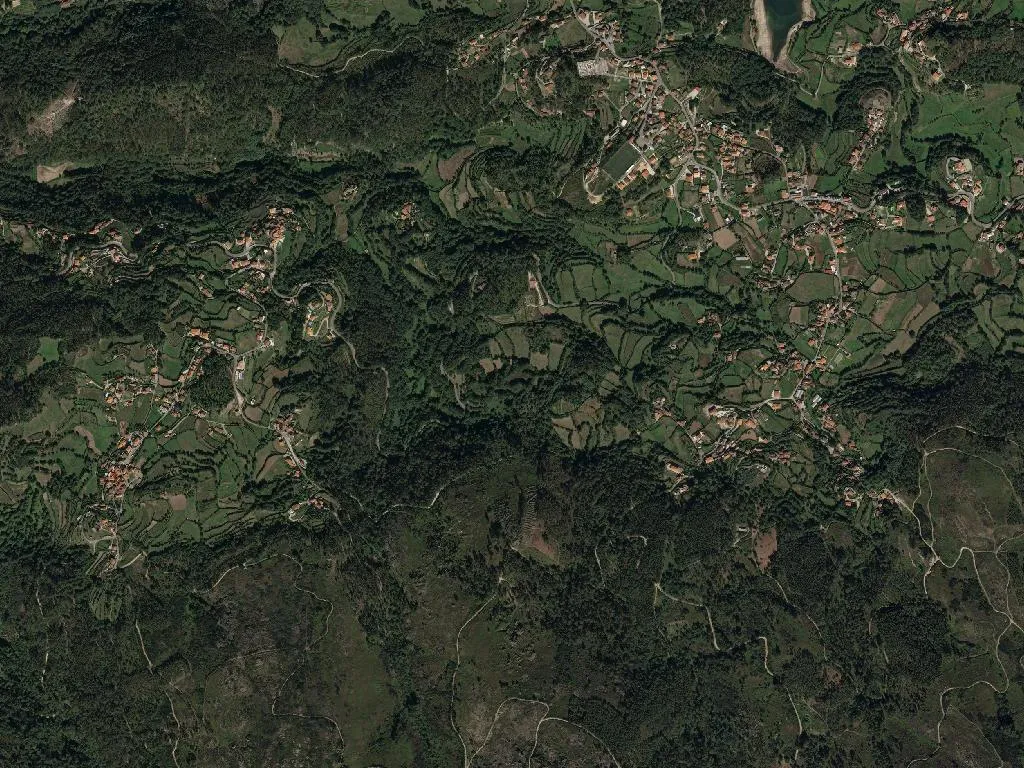
The church bell strikes twelve and the sound surprises you: first a dry clack, then it swells and rolls downhill like a loosened stone. At 352 metres above sea level the granite walls of Guilhofrei store the noon sun—press a palm against them and you’ll feel the heartbeat of trapped heat—yet the air drifting up from the Ave valley still smells of bruised grass and the sweet smoke of damp firewood someone has just fed to the hearth.
In the lanes silence is so complete you can hear Mr Zeca’s wristwatch tick. He stands in his doorway, coat-cape over his shoulders, waiting for his son to come down from the allotment. Across the chestnut grove a tractor coughs, but it sounds muffled, as though working underwater.
What the schist will spare
Vines here refuse to march in straight lines; they zig-zag up every pocket of soil the granite relinquishes. Loureiro is the favoured grape, with a little Trajadura for bite. When the bunches turn amber, students from the University of Minho return home to pick. Pay is €40 a day, lunch and supper thrown in, plus as many bottles as you can carry. The wine is so pale it could pass for water, yet the scent of green apple lingers on your tongue for days.
Honey is another matter. Forget “golden and runny”: this is obsidian-thick, almost bitter, and smells of wet rock-rose and pine sap. Miguel, whose hives sit above the village, says his bees forage within a three-kilometre radius. Pre-book and he’ll suit you up, open a hive, and let you spoon the still-warm honey onto lardy bread.
For the chouriça the trick is the wind: it must come dry from the north to keep mould away. Pigs are killed in January; the meat air-dries in the loft until May, when Mr Albano decides its fate—sausage, chops or the smokehouse he keeps locked because “flies have X-ray eyes”.
The calendar lists only four festivals, yet each colonises three days. They open with the bell rung backwards—twelve strokes in reverse—to warn the valley that normal time is suspended. At Nossa Senhora d’Orada children carry silk-paper flowers bought from Cotovia’s shop; at Festa da Conceição you eat bacalhau com todos even if hailstones drum on your plate. When the rockets rise, Father António’s dog retreats into the confessional and refuses to emerge until the gunpowder smell has blown away.
The arithmetic of staying
The parish roll says 271 residents over 65, 89 under eighteen, but numbers don’t tell you the primary school has just seven pupils, or that a seven-year-old still hears “Mind your manners, miss!” as she lugs a rucksack bigger than her torso. The deal is simple: finish your degree, come home at weekends; if you can’t, Grandma wraps a sponge cake in blue airmail paper and posts it to Lisbon or London.
Five houses take paying guests, none listed online. You ring the café and ask if the corner house with the green door is free. Cash only; the receipt appears in the owner’s recipe ledger. There is no wi-fi, but Vodafone flickers into life on the churchyard wall—there the German couple FaceTime home, panning across granite slabs and Barrosã cows that move only when the drinking hour descends.
The kitchen needs no theatre. The cabbage comes from the garden, the pumpkin from a newspaper wrapper, the bacon stays in the pot until it dissolves into ivory foam. Only one dish has a name: “caldo canas”, said to be invented by a blind man who mistook mint for maize stalks, liked the result, and secured it a place on Christmas Eve beside brittle corn-bread.
Dusk falls bulb by bulb—no sensors, just elbows flipping switches while hands balance supper plates. Wood-smoke rises in straight white columns, vanishing against a salt-bright sky. You read the village’s pulse in those threads: stubborn plumes insisting that, for tonight, Guilhofrei is still awake.