Full article about Mosteiro: Where Cowbells Echo Above the Lima Valley
Granite hamlet keeps Barrosã beef, heather honey & four Marian feasts alive
Hide article Read full article
The Bells of Mosteiro
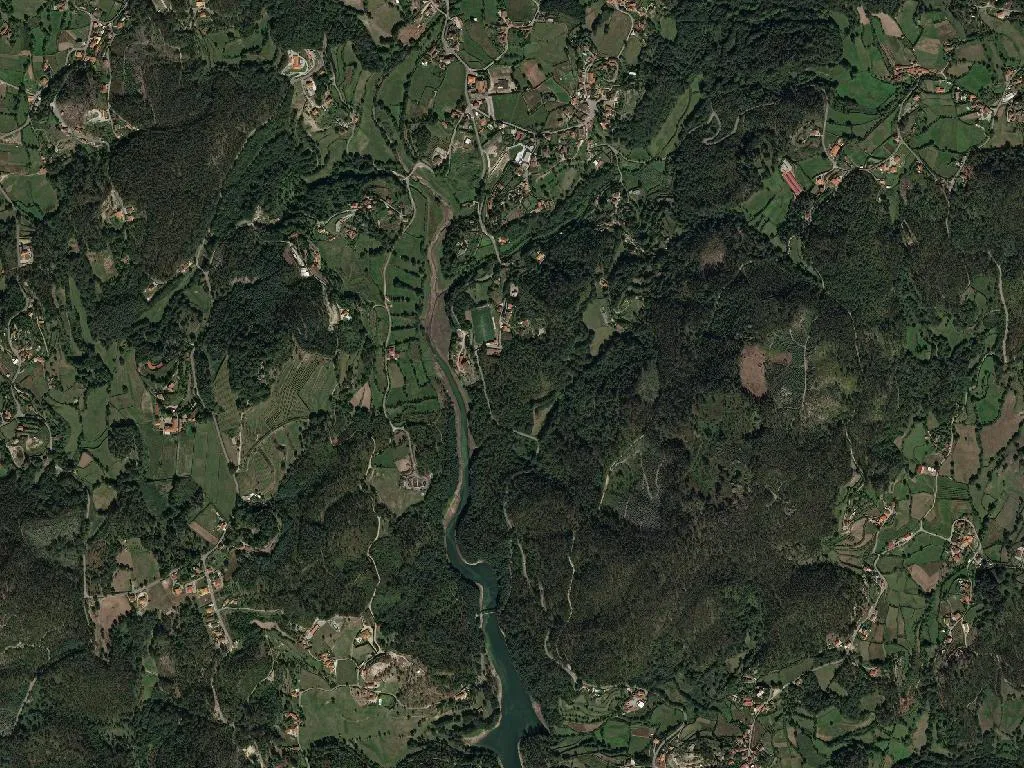
At dawn, church bells slide down the wooded flanks of the Serra da Cabreira and break against the slate roofs of Mosteiro. Wood-smoke lifts in thin white plaits, dissolving into the same low mist that has silvered the maize stalks overnight. The village—688 souls, 360 m above the Lima valley—wakes to the soft percussion of cowbells and the slow drip of granite drinking last night’s rain.
A Calendar of Marys
Toponymy tells the story: Mosteiro, “the monastery”, remembers a long-vanished religious house. What remains is a four-part Marian liturgy stamped onto the year. In May, processional candles climb to the rock-hewn chapel of Senhora d’Orada; July brings brass bands to Senhora da Fé; September’s Senhora da Lapa draws ex-parishioners back from Lyon and Neuchâtel; December ends with fireworks for the Conceição. Each homecoming swells the lanes with accordions and the cinnamon scent of arroz-doce.
Granite Demographics
Walk the single main street at noon and you will meet more nonagenarians than teenagers—186 pensioners to 67 under-25s, according to the parish council. Yet abandonment has not followed ageing. Old men still stop to balance a scythe, women carry willow baskets of kale down to the irrigated terraces, and every smallholding keeps a regimented square of corn for the hens. The allotments are stitched into the hillside with dry-stone walls the colour of storm clouds.
High-Country Larder
Breakfast here is dark-amber honey stamped Terras Altis do Minho DOP, its heather and chestnut notes earned by hives parked 800 m higher. Sunday lunch is Barrosã beef, its claret-coloured fibres relaxed for four hours in black-iron pots with bay, garlic and a glass of loureiro from the backyard pergola. The wine never travels far: a single row of alvarinho vines is enough for the household, with surplus sold in unlabelled green bottles at the farm gate.
Unmarked Miles
There are no way-marked trails, no QR-coded viewpoints. Instead, a lattice of cobbled mule paths links hamlets whose names—Soutelo, Gandra, Carvalhal—are spoken more often than written. Follow one eastwards and you will cross the Rio Mosteiro on a slab bridge slippery with moss, then climb through gorse to a ridge where the Cavado glints fifteen kilometres away. The only soundtrack is your own breathing and the faint clink of a shepherd’s staff drifting up from the valley.
Accommodation is limited to sixteen self-catering cottages and one small guesthouse whose breakfast eggs arrive still warm. No booking platforms push the village; you hear about it only when someone mentions the silence.
What Lingers
Dusk pulls the mountains forward. A chain drags across concrete as the last cow shoulders into the byre; a gate thuds; wood-smoke sharpens the air. Inside, the oak logs hiss and crack, releasing the same resinous perfume that has scented these kitchens for centuries. You close the shutters against the damp rising off the river and understand that time here is not kept but repeated—the same gestures, the same bells, the same low mist waiting for morning.