Full article about Dawn pilgrim footfalls echo through Avidos
Santiago shells chime past saffron granite walls, 16th-century gold flickers inside São Martinho
Hide article Read full article
Footsteps at dawn
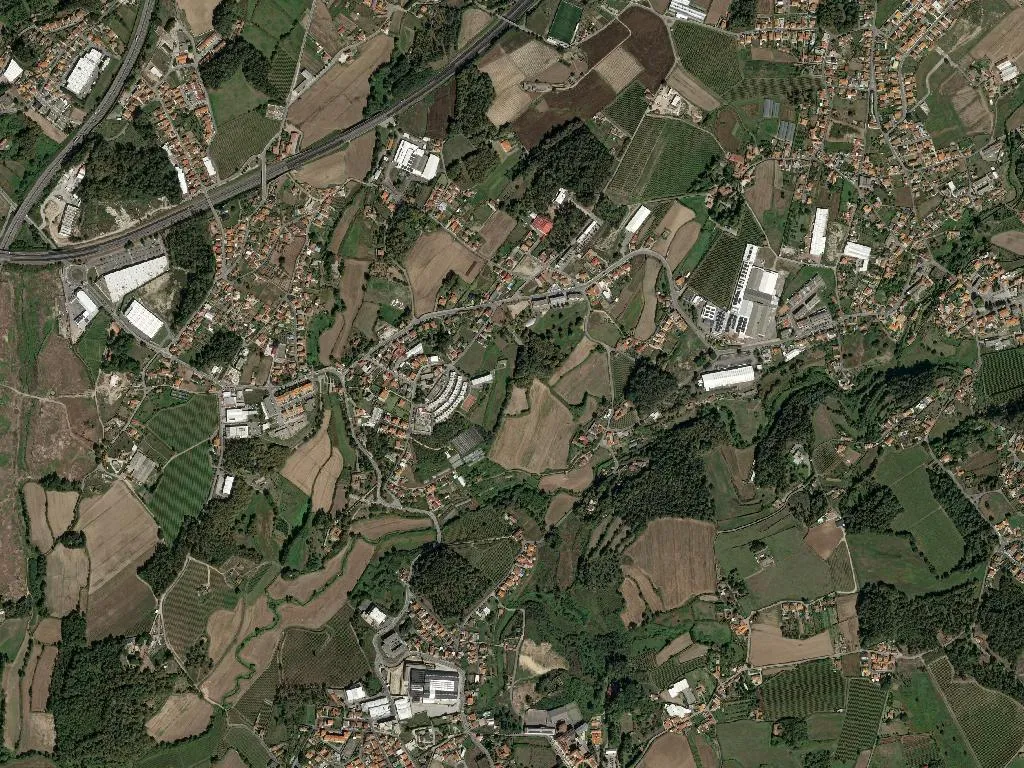
The sound arrives first: boots on uneven cobbles, the soft scrape of wooden walking-staffs, the metallic chime of scallop-shells clipped to rucksacks. Avidos wakes each morning to the rhythm of the road to Santiago. Pilgrims enter along Rua do Cruzeiro and cut through the village as though slicing through centuries. Dawn light trims the terracotta roofs, turns the granite walls the colour of dried saffron, and carries the scent of damp earth from the vineyards that climb the low hills between 50 m and 150 m above sea level.
Two paths, one pause
The parish sits at the crossing of two Jacobean itineraries: the Central Portuguese Way and the Northern Way. This is not tourist serendipity but geography welded to history. In medieval tax rolls the settlement is listed as “Avidos da Póvoa”, part of the old Terra de Vermoim, a lordship with early ecclesiastical clout. The name probably derives from the Latin avidus – eager – perhaps a nod to the fertility of these flats where the River Ave, two kilometres away, feeds streams that once spun watermills. Today the mills are moss-covered ruins, yet the footpaths that linked them survive, way-marked and walkable.
Gold leaf and candle-air
The 16th-century Igreja Matriz de São Martinho stands at the village’s heart with the unflinching sobriety of something that has watched entire generations arrive and depart. Outside, Manueline knots flirt with a baroque belfry; inside, candlelight rebounds off a gilded altarpiece, saints occupy their niches like punctual tenants, and the air is thick with beeswax and old timber. On weekdays the nave is empty, the silence almost viscous. A few paces away the Capela da Senhora da Saúde waits for the first Sunday in May, when a procession on foot crosses the fields and, after the harvests are blessed, sweet loaf is shared among the faithful.
Clay cups and wood-fired ovens
Avidos tastes of clay-oven kid: skin blistered to crackling, interior rose and rosemary-scented, served with corn broa to mop the juices. Sarrabulho rice – dark, porcine, cinnamon-tinged – arrives in deep bowls. During the Festas Antoninas on 12–13 June, vinho verde is poured from pitchers into earthenware cups: Loureiro and Arinto, brisk enough to slice the fat of the meat. Convent sweets follow – toucinho-do-céu, yolk-yellow and rich; folar de Avidos threaded with chouriço; Saint Martin’s walnut-and-honey biscuits. The old communal bakery, now a small interpretation centre, still sells them wrapped in greaseproof paper.
Between vines and eucalyptus
The Vineyard Trail – three kilometres to the hamlet of Paredes – threads through schist terraces held in place by knee-high granite walls. Between the rows, the soil is dark and stony; overhead, eucalyptus groves drip resin into the smell of turned earth. The route lies within the Esposende-Viana Coastal Protected Landscape, though you will find no ticket booths, only the occasional sheep clearing a patch of grass. Walk early and you will meet no one except, perhaps, a farmer pruning his Loureiro vines.
Loaf at the door
Some customs survive without signage. In Avidos newly-weds still perform the folar de porta: the morning after the wedding they walk from house to house offering sweet bread to neighbours. The ritual is four centuries old and continues not for show but for belonging – a quiet act that says more about the village than any guidebook paragraph.
When the pilgrims leave at first light their footprints darken the dew. Avidos recedes, yet the sound lingers – an echo of unhurried steps carrying away the granite’s calm weight and the last taste of vinho verde on the tongue.