Full article about Carreira & Bente: where the last train still echoes
Granite ruts, Ave mist and wood-fired broa in Vila Nova de Famalicão
Hide article Read full article
The last train whistle drifted away so long ago that the grandchildren of the final passengers no longer know where the track ran. Yet Carreira station still stands, pretending to be useful – its blue-and-white tiles blistered like skin after an August burn, the cast-iron plate insisting that, yes, this place once went somewhere. Beside it the levada carries water slowly, almost embarrassed by the sound. The air smells of wet earth and fresh-split logs; someone is firing the bread oven for Saturday’s broa.
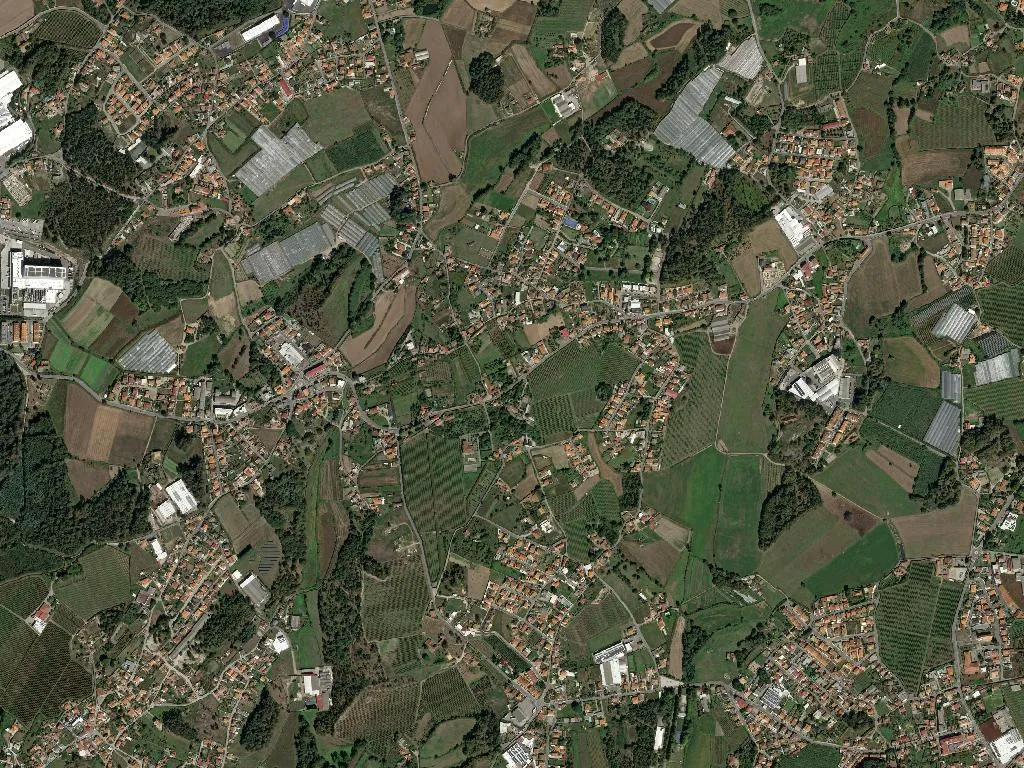
Carreira and Bente were merged by council fiat in 2013, but locals will tell you the wedding happened generations earlier – they share the same Ave valley bowl, the same cluster of villages, the same loaf and the same step-father weather.
The road that named the place
Carreira simply means “road”. Before the A3 sliced through, every coach from Braga to Porto clattered along its granite setts; you can still feel the iron-rimmed ruts outside the mother church. Granite markers branded “CR” – Caminho Real on parchment, “Caution, Rattling” to anyone on foot – are wedged into walls. In 1158 Mafalda of Portugal donated both settlements to Tibães Monastery; the monks got the land, the peasants kept the graft. In Bente, the chapel of Nossa Senhora da Conceição shelters a wooden Madonna hauled from the Ave by fishermen. Her gaze is river-wearied; no one here dares claim the good things never come to net.
Water, stone and grinding
The Ave splits the parish like fingers tearing brioche: sand terraces, a cool taste in the mouth. Bente’s two-arch bridge, sturdy enough for tractors and processions, is said to have borne Pedro I’s troops, though the stones have forgotten which war. Carreira’s water-wheel still creaks on Saturdays for show – five metres of oak that groans like a grandmother’s sofa, the millstone crushing maize with the patience of a creature beyond deadlines. The scent of warm flour is 1920; so is the ghost of damp in the rafters.
Fires, cowbells and hallelujahs
13 June, Saint Anthony’s eve. Bonfires bloom at every corner, sardine prices spike across Minho and concertinas whine until even the dogs join the chorus. The procession sways downhill, bare-footed penitents reminding everyone that some pain is worth it. Chunks of blistering broa are handed out – if it doesn’t scorch your fingers it isn’t ready. On Easter Sunday Bente’s boys tramp from door to door singing aleluias, collecting eggs the hens haven’t yet noticed missing. At Carnival dawn the Chocalhada wakes the dead: wooden clappers pounding wood, a racket meant to frighten winter and guarantee no one sleeps off the revelry.
Trails, vines and water-meadows
The Trilho dos Moinhos starts where the timetable ends, a six-kilometre loop of canal, five disused mills and a bridge built by someone who wanted lunch. The levada still irrigates vegetable plots; the water is free, the smashed knee negotiated separately. In Bente’s meadows storks pose like German tourists – they leave only when photographed. From the Encosta do Corno lookout the whole valley fans out: the Ave, terraced vineyards, red roofs spilled like a box of matches.
At the table: ember, maize and yolk
Grilled veal appears at weddings and funerals: marinated in white wine, garlic and a punch of bay, eaten until the plate shines. Daily life is fuelled by rojões – pork belly, potato, kale and chestnut stewed until the meat apologises. Winter brings spoon-standing cornmeal porridge that keeps body and soul together until the next harvest. Dessert is toucinho-do-céu, “bacon from heaven” – yolk-rich convent sweet invented to use up whites. Bente’s broa ferments for three days, bakes in a wood oven, is torn never sliced, and tastes best with home-cured ham that has seen more salt than any fisherman.
When the mill-wheel stops, the levada keeps its own counsel – water oblivious to recessions, mergers, extinguishments. It runs, carrying away corn-dust and the days of those who will not return.