Full article about Lemenhe, Mouquim & Jesufrei: Where Two Caminos Cross
Walk the Central & Coastal Portuguese Caminos across Lemenhe, Mouquim e Jesufrei, Vila Nova de Famalicão, Braga—sleep in villagers’ spare rooms amid high-t
Hide article Read full article
The Rhythm of the Camino
The clack of walking poles on granite sets the tempo long before the hikers appear. They move in twos and threes, rucksacks low on their hips, tracking the fresh yellow dashes someone has painted on whitewashed corners. Two branches of the Camino de Santiago – the Central Portuguese and the Coastal Northern routes – braid together here, turning the merged parish of Lemenhe, Mouquim and Jesufrei into a breathing space where effort tips into reflection. There are no hostels in the bunk-bed sense: instead, villagers have fitted out spare rooms with proper mattresses and hot showers, posting hand-written “Alojamento” signs that disappear as fast as the grapes ripen. Pilgrims arrive, wash socks in the courtyard sinks, and leave at first light; the fields barely notice.
Three villages, one geography
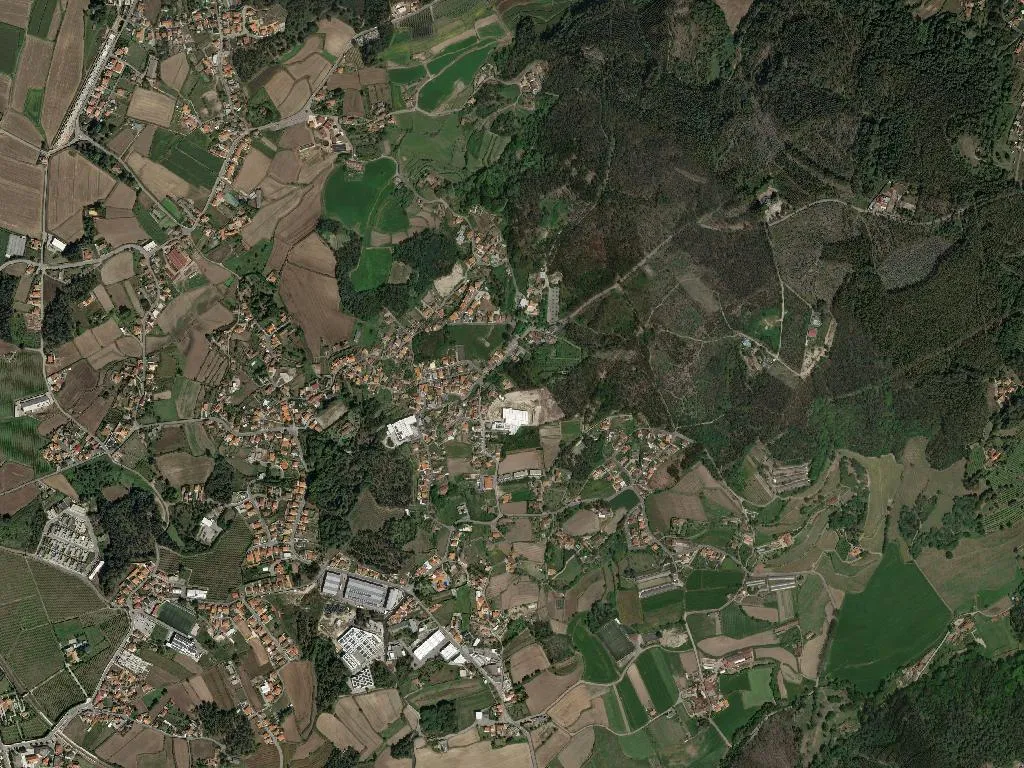
Administrative reform in 2013 stitched the settlements together, yet the landscape had already done the job. Vine terraces step gently downhill towards the Ave valley; maize tassels flicker at eye-level; the horizon sits 191 m above sea level, low enough for Atlantic weather to roll in but high enough to give the long views that walkers crave. Lemenhe’s name is said to echo the Latin lemens – “a thinking place” – while Mouquim and Jesufrei sound like characters from a medieval charter. Roman surveyors threaded a coastal road through here; the modern EN205 shadows it, and parish lanes still respect the original grid. Granite farmhouses sit sideways to the slope so that animals sheltered on the ground floor and smoke from the bread-oven could escape through the upper eaves.
Green wine and daily bread
Verdigris is the only colour that matters. Dark-green pergola vines, pale-green rye shoots, the deep bottle-green of mossy oak groves: together they spell out vinho verde country. No single-estate DO label has been carved out for the parish, yet 180 ha of vines are still trained high on wire trellises, Minho-style, letting maize or potatoes grow underneath and shading the soil from July glare. By late afternoon the air smells of warm basalt and gently fermenting grapes. With only 314 residents per km², every house keeps its own rhythm: cabbages in terraced back gardens, bean canes rattling against schist walls, hen-houses painted the same indigo once used to deter evil spirits. Bread is baked twice a week in wood-fired ovens the size of Smart cars; the crusts tear the roof of your mouth exactly as they should.
Saints, sausages and Saturday night
Collective life condenses around the Festas Antoninas in mid-June. Santo António, patron of lost wallets and happy marriages, is paraded through the three villages behind Louro’s silver band. The route – precisely 2.3 km – is timed so the procession reaches each parish square as the charcoal grills reach operating temperature. Chouriça fat drips onto hot zinc, sending up flare-ups that smell of paprika and pine needles. Teenagers weave between the stalls; older residents claim the stone benches outside Mouquim’s 1896 church, built over a 14th-century chapel. At the final halt someone hands out slices of bolo de São Gonçalo, a chewy sponge spiked with cinnamon that tastes of obligation and nostalgia in equal measure. By midnight the band packs up, the square is hosed down, and maize leaves rustle like sheet music.
Miles measured in quiet
For walkers heading north to Rates, the parish offers respite rather than spectacle. Accommodation is limited to four houses: the converted hayloft in Lemenhe, three family homes in Mouquim, each with a back-door stamp for credentials and a thermos of strong coffee. The path follows medieval mule tracks, rising and falling no more than 80 m over 18 km – enough to test calves without wrecking knees. Sunset turns the pergola trunks into lines of gold wire; the only sound is a distant tractor reversing with that monotonous beep that could almost be a cicada. Somewhere further on, Santiago waits. Here, the Camino is measured not in kilometres but in silences: the moment when boots stop crunching, when you hear your own pulse, when the next yellow arrow appears exactly where someone promised it would.