Full article about Riba de Ave
Riba de Ave wakes to oak-smoke, cornbread ovens, a 1515 bridge and the Central Portuguese Camino—feel Minho’s soul in Braga district
Hide article Read full article
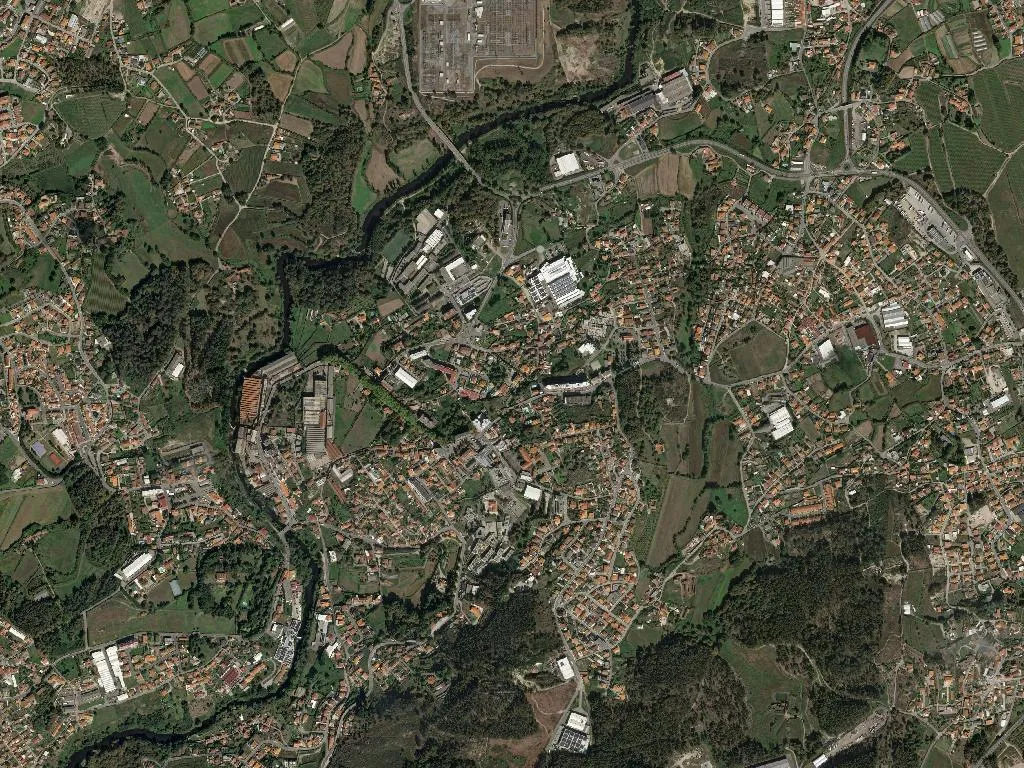
Dawn scrapes the valley and strikes a match under the Ave. Poplars and alders lean over the water like eavesdroppers; mist lifts in thin silver ribbons. Across the river the parish church fires a single bell-note that ricochets through rows of maize, mingles with the current’s hush and the half-hearted bark of a farm dog. Riba de Ave wakes as it always has—at river pace, to the smell of oak smoke curling from bread ovens already warming for the morning’s corn loaves.
The name is literal: “Riba” means bank, and everything here has been measured against the water. A royal charter of 1515, signed by Manuel I, turned this ford into a chartered village, taxing the traffic that crossed on the triple-arched granite bridge still shouldering traffic today. Moss has stitched the joints so neatly the stones look upholstered in velvet. A hundred metres away the 1842 Padrão da Parada recalls the civil-war bivouac where Miguelist troops once boiled coffee and grievances; no plaque is needed—the story is recited over espresso and sugar cubes at Café Central.
River, valley and the old roads to Compostela
The Central Portuguese Way of St James cuts straight through, shadowing the Ave north towards Barcelos. In late June the walkers collide with the Festas Antoninas: processions, makeshift grill stations exhaling fat into the street, and accordions that keep the village awake until the sky pales. On the 12th, ranchos such as “As Flores” parade with button accordions and snare drums, pausing only for the blessing of mules and Jack Russels outside Igreja Matriz. Cornbread and rough red are pressed into gloved hands; no one refuses.
That church, rebuilt in 1727 after the Lisbon earthquake, is a Baroque exclamation mark at the village centre. Inside, a gilded altarpiece carved by Cipriano da Cruz (Braga’s answer to Grinling Gibbons) catches candlelight during November’s novenas for the dead. Smaller, tile-skinned São Sebastião chapel—erected in 1666 when plague drifted up the valley—keeps 18th-century azulejos that read like a graphic novel of the saint’s life. Up the lane, the Casa da Menguela, a 1734 manor endowed with a private chapel to Santa Bárbara, is still hedged by the 12 ha vineyard that once supplied the Sousa Machado family’s table wine.
From eel pots to Loureiro
The river writes the menu. Between March and October the local angling association sets night-lines for glass eels; by noon they are sizzling in olive oil at Casa de Pasto “O Tosco”, opened in 1982 by Joaquim Pereira and now run by daughter Lurdes. Order the caldeirada—eels stewed with tomato, onion and a splash of red, served with slices of corn rye sturdy enough to survive the broth. The pork arrives as rojões à minhota, the meat bronzed in its own fat, offset by a glass of spritzy Loureiro from Quinta da Lage, a family estate pressing grapes since 1950. Sunday lunches mean kid goat, slow-roasted in a wood-fired oven while the potatoes beneath drink the juices; the recipe belonged to Joaquim’s grandmother Albertina and has never been written down. Finish with pão-de-ló from the vanished Convento de Vilarinho das Terras—an airy sponge that survives only because Rosa, the baker on Rua da Igreja, still beats the eggs for twenty minutes by hand.
Green corridor of the Ave
The riverside trail is a four-kilometre loop under willow galleries where herons balance like tight-rope walkers. Five watermills, abandoned since the 1950s, stand as stone skeletons; the best preserved, Moinho do Pintor, keeps its wooden sluice gate intact and serves as an informal clubhouse for anglers who debate bait with the solemnity of cardinals. Kingfishers streak cobalt between the banks; dusk gilds the maize terraces and the Loureiro vines that climb to 140 m, a height that irons out both Atlantic storms and interior extremes—thermometers rarely stray outside 5 °C–30 °C.
In August the parish council lays out second-hand bookstalls under the plane trees in Parque da Igreja while the RAHC roller-hockey club—founded 1978, national second-division champions 1985—hosts a 12-km trail race along the disused Tâmega railway line. Runners duck through oak tunnels, past smallholdings where every gate seems to advertise a grandfather’s wine for sale.
Night folds in. The last pilgrim’s rucksack vanishes round the bend towards Barcelos; river water keeps negotiating the arches, indifferent to kings, anglers or travel writers. Somewhere a bread oven sighs shut. Riba de Ave does not do drama; it simply persists, timed by the Ave’s metronomic flow.