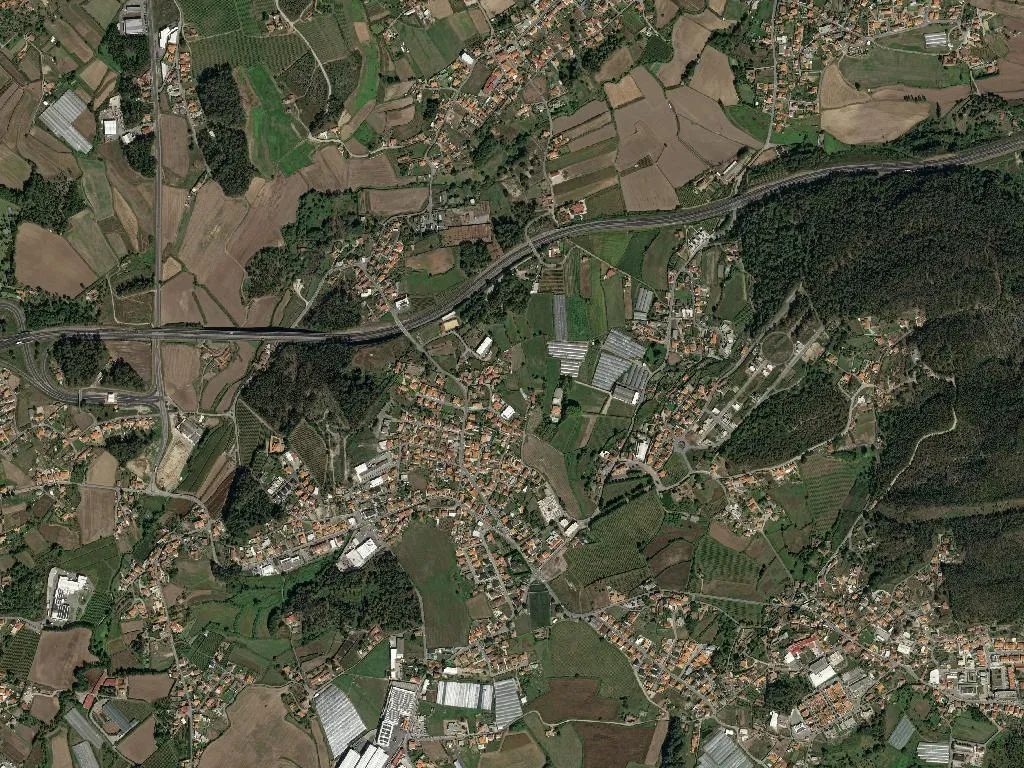
Full article about Ruivães: Bell rings late over rust-red soil
Pillory, fox-red river and São Martinho’s lazy bell keep time in fading Ruivães.
Hide article Read full article
The pillory stands slightly off-centre, as though it stepped aside to eavesdrop on village gossip. Its granite is still warm at dusk, flecked with lichen that children prize for sword-fighting. Around it the houses do not so much line the street as cling together – one with a blistered Wedgwood-blue door, another wearing a coat of arms so weather-worn that 1923 is barely legible.
The bell in the tower of São Martinho keeps its own counsel. It rings when the sacristan wakes, sometimes 11.30, sometimes 12.15. Hens scatter; women hoeing kale straighten their backs and decide whether lunch can wait.
When Ruivães still mattered
Charters record that Ruivães was a town until 1853, yet here that feels like last week. Locals still say “I’m going to the town” when they drive down to Famalicão. The pillory once had a rope, elders insist, for settling debts. Today a sheet of corrugated plastic caps the stone – not art, just a deterrent against teenagers balancing ice-cream cones on medieval granite.
The soil really is ruivo – fox-red – but it is the dull brick tone that dyes trainers rust. After heavy rain the Pele river sluices it away and vegetable plots vanish overnight. In 2013 the civil parish was merged with neighbouring Novais; Júlio’s wife fetched the official letter and came back in tears. “They’ve rubbed us off the map,” she said.
Stone and faith
The church door squeals exactly like the one in my grandmother’s house. Inside, it smells of candle stubs and linens lifted from cedar chests. The priest comes from Fafe and preaches loudly, except at funerals, when his voice drops to a confessional hush.
The June fair is simply the Festa de São António – no marketing suffix. The marquee rises on the waste ground beside the Galp petrol station, and the organising committee is now mostly Brazilian. The onion soup still arrives in chipped terracotta bowls; burnt-sardine smoke clings to T-shirts for days. When the bass drums fall silent you can hear old Matos grinding his teeth in the bar – light sleeper since Mozambique, 1973.
Table and vine
Caldo verde here contains no chouriço. My grandmother said pião was for the wealthy; we dunked dark maize bread instead. Rojões – nuggets of fried pork – are lifted by a single slab of streaky bacon, not by the usual scarlet paprika. For weddings the communal oven is pressed back into service: a cavity in Dona Lúcia’s wall where Saturday loaves once baked. Now it only wakes for kid goat, slid in at seven in the morning and withdrawn at three, the skin blistered to a proper glassy crackle.
The wine comes from Seixas’ south-facing parcel – white, but not Vinho Verde. It burns the stomach and makes the eyes water. Locals drink it from water glasses; anyone requesting a stem is instantly clocked as foreign.
Paths between plots and memory
The riverside path begins behind Zé Mário’s diesel tank. Vegetable gardens are guarded by nylon nets against herons and iron stakes that lean like drunk sentries. Tomatoes taste of summer 1987; the peppers bite back. At the half-ruined water-mill the wheel’s shadow is still printed on the wall, and the air carries a feral-cat musk that no rainfall has shifted.
The Camino de Santiago skirts the ridge on the N206. Pilgrims in fluorescent rucksacks glimpse the village steeple but rarely descend. If they lose the yellow arrows they arrive asking for three things: tap water, a toilet, somewhere to eat. Dona Alda charges for bread and chouriça – not charity, commerce.
When the bell strikes seven the football pitch empties. No by-law, just habit inherited from grandfathers. The pillory stays put, its stone scarred by a pair of lovers who carved 1963 and are probably grandparents now. Light drains sideways above the palm trees – yes, palms. One returning Luxembourger planted them in the 1990s, determined to recreate his continental exile. They survive, but look perpetually puzzled, like guests no one introduced to the host.