Full article about Vale (São Martinho)
Vale São Martinho, Vila Nova de Famalicão: maize-scented trails, 11 Nov wine-blessing Mass, sarrabulho porridge—Braga’s hidden pilgrim hearth.
Hide article Read full article
The Midday Bell and the Corn Scent
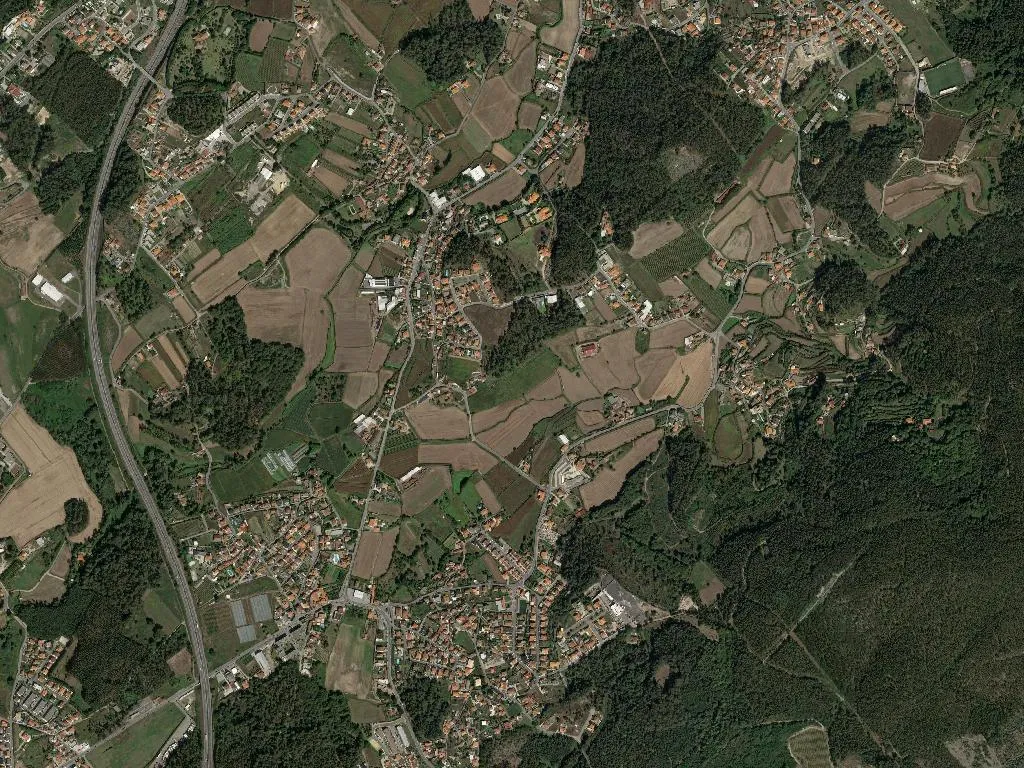
The bell in the tower of São Martinho strikes twelve and its bronze note rolls downhill like a slow-moving wave, flattening across the smallholder plots until it meets the Ave valley mist. No mountain blocks the sound; Vale (São Martinho) sits at 142 m on an open tongue of land, 360 ha of vines, maize and allotments pointed west toward the river you can smell before you see. Pilgrims on the Central and the Coastal Camino de Santiago drift through after lunch, half-drugged on vinho verde, following the aroma of roasting green corn more faithfully than any yellow arrow.
Where Two Jacobs Meet
Two separate Santiago routes converge here, but the village treats them like regulars who wander into the café asking if the bread is still warm. Backpacks are propped against the counter of the only pastelaria, refillable wine bottles emptied and returned. There is no Michelin-starred monument; instead, the granite church of São Martinho, built 1720 over a 13th-century core, keeps a weather-eye on the sky and mutters only one wish: let the rain arrive on time.
Saint, Wine and Smoke
11 November, 11 a.m. Mass. Parishioners queue outside clutching litre bottles of tinto verde like pets waiting for jabs. Holy water flicked, choir stalls creak, the wine is blessed and everyone retreats to kitchens where chestnuts burst in dry pans and children invent saint-day fevers to skip school. No brass band, no Ferris wheel; only the sour-sweet haze of wood smoke that clings to sweaters for the rest of the day.
Winter Table: Blood, Cumin, Lard
Sarrabulho porridge arrives when the mercury stalls below 10 °C. Locals joke it looks like soup that has taken a punch: pig’s blood thickens the rice, cumin detonates in the sinuses, sweet paprika stains the spoon rust-red. Alongside come rojões—overnight-marinated shoulder nuggets that didn’t fit in the smokehouse. Dessert is toucinho-do-céu, a slice of paradise built from egg yolks, sugar and butter that settles in the arteries like fog. The same vinho verde used in the marinade is poured with the pudding—no statute, just habit.
Santo António Block Party
June. Prefab stalls go up on Friday afternoon, the town hall hauls in a steel-deck stage, children reappear in last year’s too-small espadrilles. The procession ricochets down the main street; the saint’s litter sways, carnations are dunked in lager, toddlers nick boiled sweets from the church basket. It is less tourist fiesta than oversized school reunion: concertina tuned the night before, dogs marking territory on the churchyard wall, neighbours arguing over whose turn it is to buy the next round.
A Walk that Forgets the Map
When lunch grows heavy, follow the dirt track that slides between toothbrush rows of Loureiro vines. Two locked wayside chapels—Santo António and São Sebastião—offer minimal shelter; the latter’s right-hand door swings open with a polite shove if the Minho drizzle arrives early. By the stream, bracken unfurls umbrella-high; October fog kneels over your boots until midday. Bring stale crusts: the blackbirds will approve and you can test whether yesterday’s wine is still where you left it in your bloodstream.
Sunset. Wind rattles the trellises like someone shaking last year’s gardening catalogue. Stand still for a moment—no need to rush. The next coffee is in neighbouring Calendário, and the lights stay on well after dark.