Full article about Famalicão–Calendário: city buzz, vineyard hush
Vila Nova de Famalicão e Calendário blends logistics-hub energy with Minho vineyard calm—explore granite churches, Flemish-weaver arcades and loureiro trai
Hide article Read full article
Vila Nova de Famalicão e Calendário: where tarmac meets vineyard
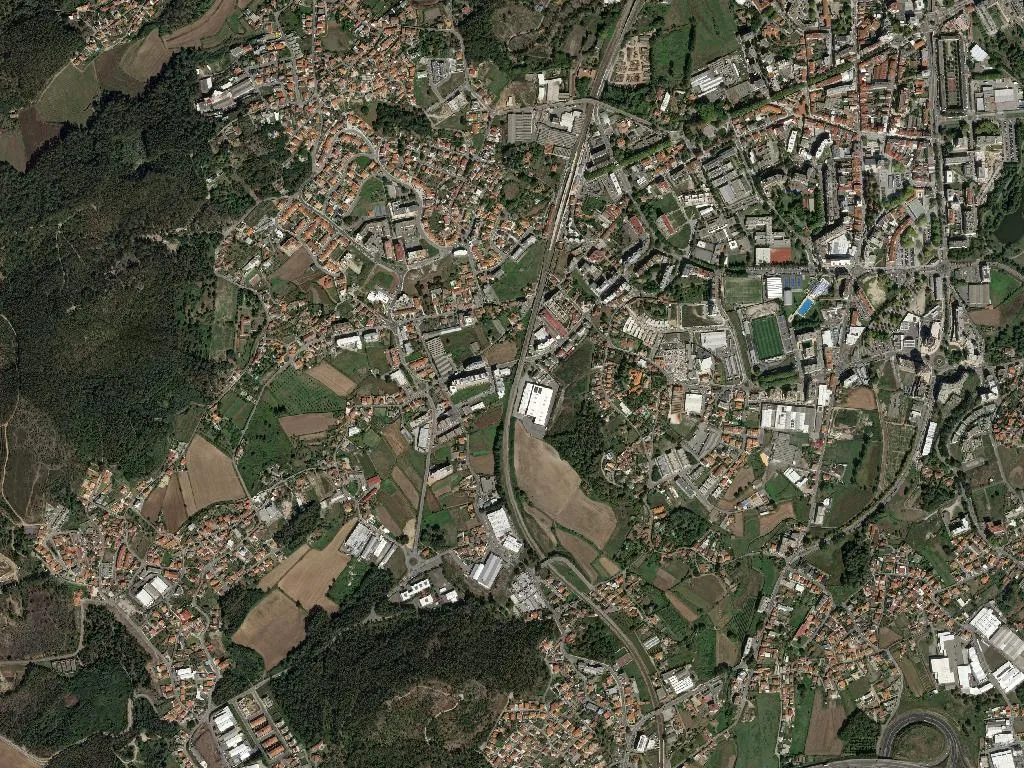
The first clue is the rhythm. Stand on Avenida Central at 8 a.m. and you’ll hear the city tuning up: delivery vans drumming over granite slabs, the syncopated beep of a reversing refuse lorry, heels clipping the pavement in time with the crossing lights. Take one left towards Calendário, however, and the tempo collapses into something slower—cocks disputing territory, a hosepipe hissing across vegetable rows, the squeal of a wrought-iron gate as someone checks whether the cabbages need water. The two parishes were merged in 2013, yet every square metre of their shared nine square kilometres still negotiates the armistice between urban urgency and rural time.
Charter, furrow and factory
“Famalicão” is a contraction of familia, the royal estate that King Sancho I formalised with a town charter in 1205. Even then the crossroads mattered more than the soil: the old Roman coastal–interior axis cuts straight through what is now the shopping district, explaining why chain retailers occupy ground-floor arcades built for merchants who once sold linen to Flemish weavers. Calendário, uphill and off the axis, never needed a charter; its calendar was the agricultural one—maize, rye, later the vines that still stipple the hills behind the ring road. Administrative fusion simply stapled two economies together: logistics parks and microchip suppliers on the floodplain, smallholdings and trellised loureiro grapes on the granite rises.
Granite, whitewash and a 6,500-seat echo
The classified monument is modest: São Julião de Calendário, a 13th-century parish church whose granite walls are almost a metre thick and whose interior stays at a steady 18 °C even when the Minho summer turns sultry. Around it, chapels and stone crosses pepper the lanes like full stops in a long rural sentence. Ten minutes downhill, the Estádio Municipal 22 de Junho—opened in 2003 for the local FC Famalicão—throws a concrete and steel counterpoint into the skyline. On match nights the roar rolls across the lettuce plots of Calendário; gardeners straighten up, listen for the tell-tale surge that means a goal, then return to their hoes.
Two St James routes, one petrol-station espresso
Motorists rarely realise they are intersecting two separate Camino de Santiago itineraries. The Central Portuguese and the Coastal Northern routes converge just east of the railway footbridge. Pilgrims emerge on the N205 with the fluorescent arrows on lampposts, refill water bottles at the Intermarché café, then disappear past the stadium towards São Martinho do Campo. The parish lists 29 registered beds—aparthotels in former town houses, a purpose-built hostel beside the river cycle path—yet the statistics say most walkers push on to Braga. Their loss: dinner here costs half the price and the wine arrives by the carafe, not the thimble.
Pork, broth and the green that fizzes
Minho cooking does not do delicate. Order rojões and a black skillet lands: cubes of marinated pork shoulder still crackling in their own fat, punched potatoes, a slab of congealed blood sausage that converts the wary and confirms the loyal. Roast kid appears only at weekends, spun on a spit of eucalyptus wood that perfumes the street an hour before service. Caldo verde is obligatory—potato purée ribboned with collard greens, a single disc of chouriço bobbing like a lifebelt. The wine list is short: vinho verde from the coastal Lima sub-zone, poured young with a slight prickle that slices through pork fat the way sherbet cuts through toffee. Ask for white, get a 250 ml glass that costs €1.80 and refills itself.
When the parish belongs to St Anthony
June belongs to Santo António. Streets narrow enough for neighbours to swap sugar from window to window are draped with patchwork quilts, coloured bulbs and the bass line of a marcha popular. The parish council estimates 21,000 residents inside 9 km²—one of the densest patches north of Lisbon—yet the festival erases indoors and outdoors: sardine smoke drifts into living rooms, toddlers dance with grandfathers on improvised stages, the queue for bolo de São António snakes past the pharmacy and the betting shop. Midnight fireworks scatter over the Pelhe, the small river that divides the civic centre from Calendário’s vegetable terraces. When the last rocket fades, the water keeps talking, a low syllable over smooth stones, heading nowhere in particular at 95 metres above sea level.