Full article about Cabanelas: Where Veal Roasts & Flax Songs Echo
Oak-smoke Saturdays and May pilgrimages colour Vila Verde’s granite hamlet
Hide article Read full article
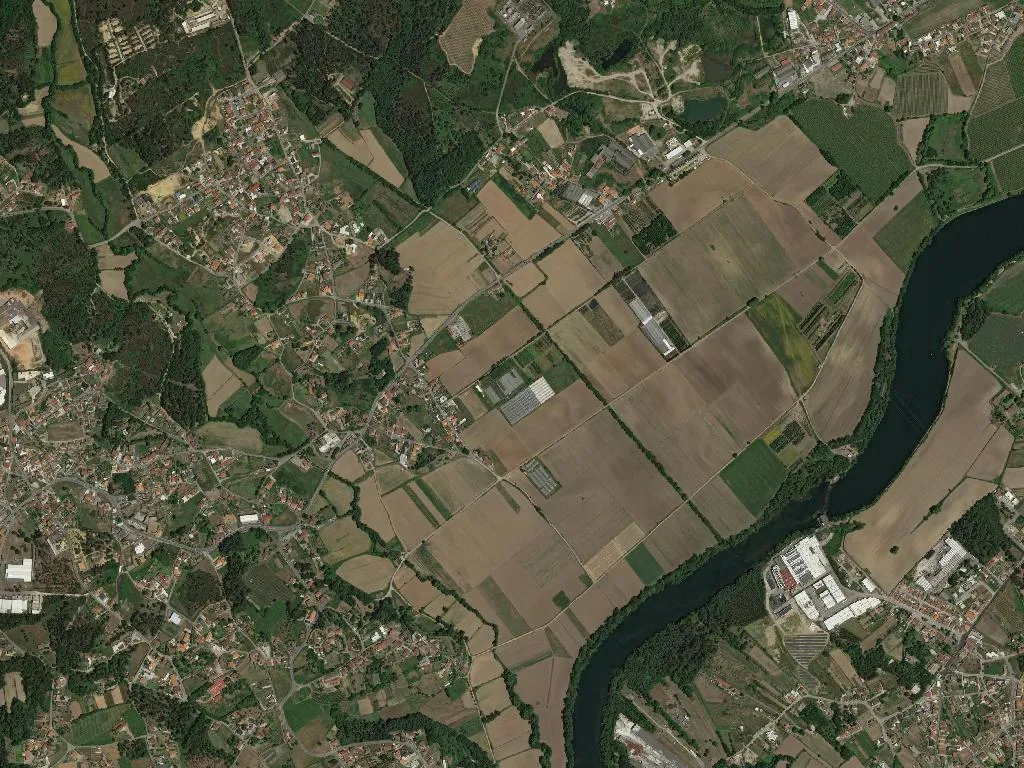
The scent of veal on the spit arrives before the smoke does. Oak logs crack beneath the grill, and the wind carries the perfume of garlic, bay and sweet paprika that has been soaking into the meat since last night. It is Saturday in Cabanelas; behind every granite house the weekend lunch is being coaxed into existence, though it will not be ready until mid-afternoon. The river that baptised the parish slips between alder and willow, invisible from the lane but never silent, a conversation that refuses to end.
Stone huts and gilded saints
Cabanelas takes its name from the Latin cabana: the first roofs here were barely more than shepherd shelters on the Ave valley terraces. By the time the parish charter was drawn up in the sixteenth century, stone calvaries already stood at crossroads and vows were being banked for future pilgrimages. The parish church, raised in the 1700s and dedicated to St Anthony, keeps a baroque altarpiece of carved and gilded wood that catches the candle-light like wrought bronze. On the eighteenth-century tiles, bible episodes alternate with stylised flowers—cobalt on tin-white glaze. Three kilometres away, the chapel of Nossa Senhora do Bom Despacho is a whitewashed promise made during the 1854 cholera: spare us and we will walk to you every year. The debt is still paid on the first Sunday of May, the congregation processing from the mother church with hymn books and trays of sweet cake.
Where flax still has a soundtrack
In August a handful of neighbours gather to scutch and spin flax to songs that map the plant’s life—sowing, pulling, retting, distaff. The Fio do Linho session is less demonstration than living archive. Maria da Conceição Cerqueira, the parish’s late song-keeper, spent eight decades collecting cantigas de Santo António; her cracked cassette recordings still play during June’s sardinhada when the riverbank is lit by bonfires and couples swirl in bailarico circles. Downstream, the carvalho dos namorados—a 300-year-old oak—still receives embroidered love tokens left between its roots, a rural answer to Paris’s pont des arts.
Corn porridge, black pork and lime-fresh wine
Cabanelas eats what it grows and wastes nothing. Milho-papas, a stiff yellow porridge, is served alongside broad-bean stew or salt-cod hash. The pig is the indigenous black variety—blood sausage with rice, air-cured salpicão, oak-smoked chouriça. For sweetness there are São Gonçalo cupcakes laced with cinnamon and walnut, almond tarts and the local sponge, airy enough to tear by hand. In granite cellars Loureiro and Arinto grapes become citrus-scented vinho verde; meals end with bagaceira brandy or honey liquor from the Minho Highlands DOP. On Friday mornings producers drive the 12 km to Vila Verde market with Cachena beef, Trás-os-Montes potatoes and Golden apples picked the previous dusk.
The mill trail
The River Walk starts beside the church and drops to the water where three stone mills keep their wooden paddles and sluices intact. Water polishes granite, ferns and moss glow in the shade of ash. The loop is three easy kilometres, ending at the Alameda, a granite-benched square facing the valley where children practise kick-flips. On drier slopes Gall oak and cork wood harbour kingfishers and grey herons that drop into seasonal ponds. Five kilometres north, the Ave Ecotrail carries cyclists toward the estuary; kayakers put in at Cabanelas and paddle the navigable stretch down to Ribeira.
The church bell strikes noon. Its echo crosses the valley, rebounds off schist and returns deeper, as though the hills had added bass. Behind the houses the veal is already off the grill, resting under linen until the family gathers.