Full article about Cervães: Where Vinho Verde & Lemon Cake Perfume the Minho
Stags, stone espigueiros and candle-lit gold carvings thread daily life in Cervães parish.
Hide article Read full article
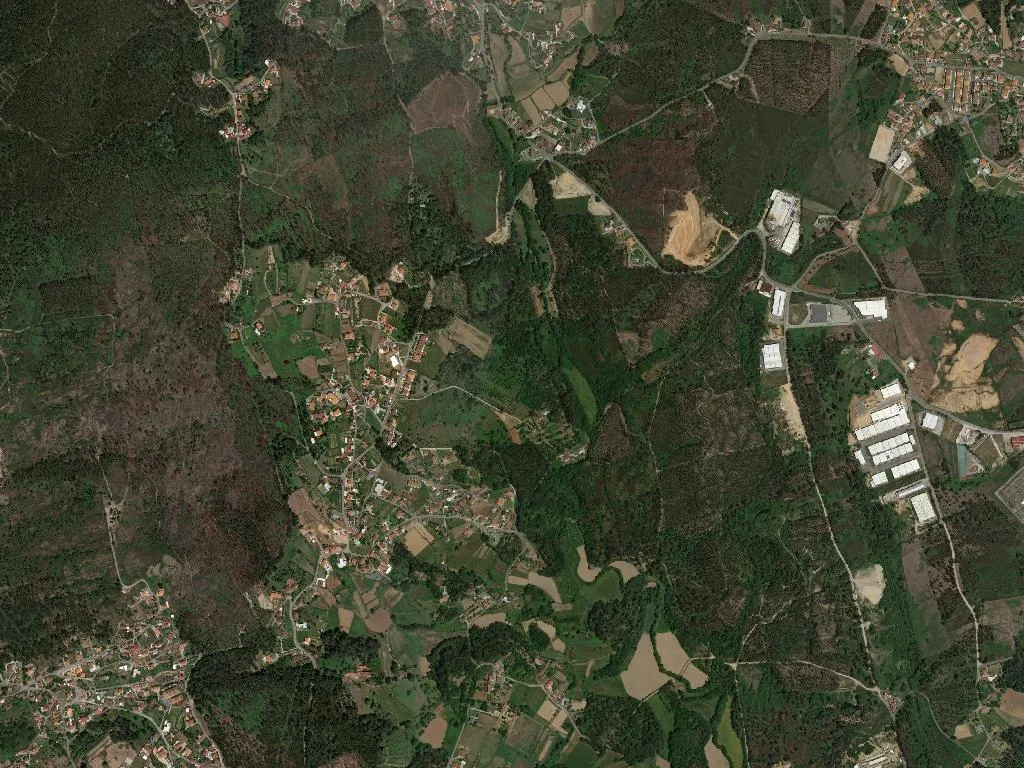
The scent of lemon sponge drifts from Café O Cervo, mingling with the smell of wet slate that rises from the fields after the morning rain. On Rua do Calvário, a man carries a demijohn of just-bottled vinho verde, the glass still clouded from the cellar’s chill. Cervães wakes slowly, to the rhythm of the stream that cuts the parish east–west, irrigating smallholdings where cabbages stand to attention like a green battalion.
The name comes straight from the Latin cervus – stag – and Cervães is the only Portuguese parish that keeps the memory of the animals that once browsed these valleys. Oak and chestnut survive only on the hilltops now, yet the population density – 170 souls per square kilometre – is double the Minho average, proof that people still put down roots here. Part of Vila Verde municipality since 1836, the settlement grew around the Igreja do Divino Salvador, begun in the sixteenth century and enlarged as the community prospered. Inside, eighteenth-century gilded carving catches candlelight and throws it back in flickers, as though the gold itself were breathing.
A manor that once housed generations
Half a kilometre south, Quinta do Patronato sits quietly in its walled enclosure. The 1700s manor house – listed since 1977 – served for almost a century as a children’s home run by the Bom Despacho monastery. In 2022 the town hall bought it for €150,000 and is converting the outbuildings into a rural heritage centre. Granite espigueiros still dot the yard; the stone laundry tank, fed by a cold spring, is in daily use. Run your palm over the worn rim and you feel the friction of decades of knuckles scrubbing flax and cotton.
Processions and sung poetry
On the first Sunday of May the Romaria à Nossa Senhora do Bom Despacho sets out from the chapel and climbs to the mother church. Locals walk the lane between emerald meadows while the cantares group “Os Grilinhos” trade verses in the Minho’s answering-song tradition – voices calling and responding, keeping time with the wind. Three months later the Festa do Divino Salvador supplies fireworks, brass bands and the whirl of green-embroidered skirts from Cervães’s own folk troupe. Mid-June belongs to Saint Anthony: the parish cultural association grills sardines in the square, smoke threading between trestle tables while children chase underfoot.
What to eat and drink
Order vinho verde Loureiro or Trajadura in short, straight glasses – cool, faintly sparkling. Rojões à Minhota arrive with IGP potatoes from Trás-os-Montes, golden and crisp. Kid goat is roasted over bay and garlic in a wood-fired oven, the skin shattering under a fork. Winter brings kale soup thickened with locally reared chouriço, the bowl hot enough to warm your wrists. Finish with amber Minho Highlands DOP honey spooned over fresh goat cheese, or a slice of Cervães sponge, airy and scented with lemon zest.
A walk among water-meadows
The Rio Trail – PR11 – runs six flat kilometres from Cervães to the hamlet of Soial. The stream keeps company throughout, slipping past mills the forest has reclaimed, amplifying birdsong in the gallery woods. From the Cruzeiro viewpoint you look south across the Cávado valley to the jagged silhouette of Gerês. Herons and kingfishers work the reeds; late-afternoon light slices the low cloud and picks out tiny fields hedged with acacia, each plot preserving the human scale that defines the Minho.
When the church bell tolls, the note rolls down the valley, strikes the opposite slope and returns altered – a low, metallic after-sound that lingers in the memory of anyone who has walked through Cervães: bronze keeping time not for the clock, but for the land itself.