Full article about Escariz Twins: Where Green Cávado Throbs & Time Slows
Escariz (Vila Verde) pairs granite lanes, cheese-factory steam and a sardine-scented June fête you’ll never timetable.
Hide article Read full article
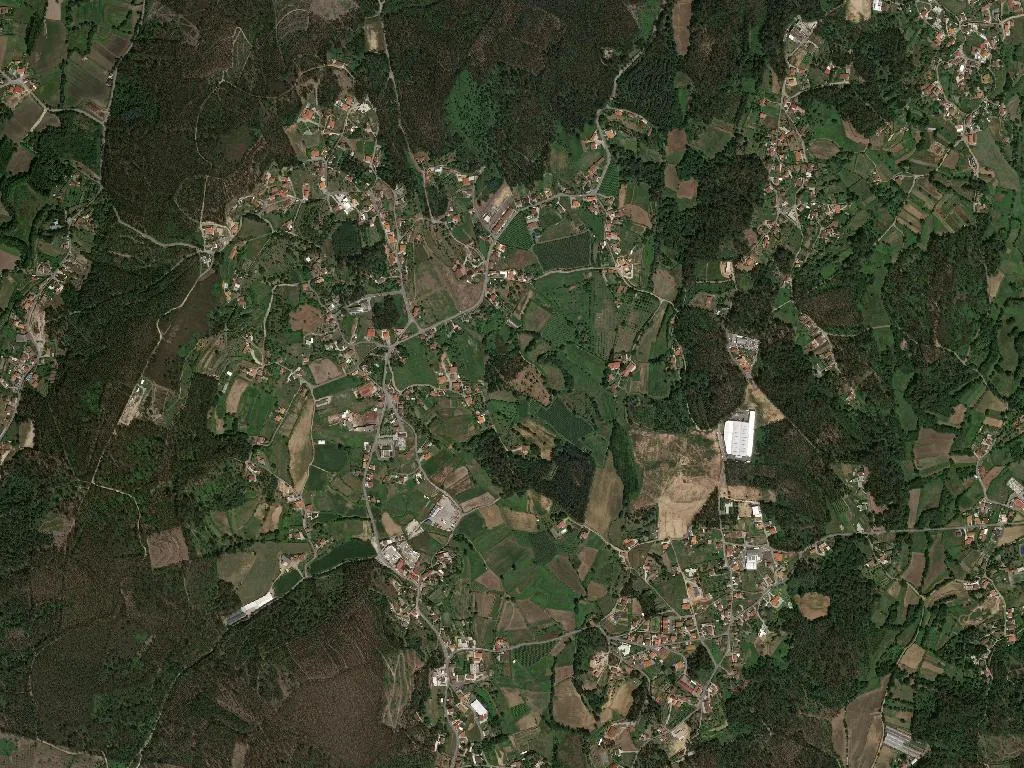
The chapel bell rings as if it is still apprenticed to the trade: fifteen seconds behind the sun at noon, two extra beats when death nudges the register. Below, the Cávado valley is not a picture-postcard; it is simply there, falling away in such saturated green that the retina throbs after rain.
Escariz São Mamede and Escariz São Martinho share a surname but little else. A first-time visitor taking the municipal road 205 between them—flanked by shake-loose granite and vines that grip the schist like cats on curtains—will swear the hamlets are twins until the smell gives the game away: woodsmoke and sour whey in São Martinho, scorched diesel and bruised mint in São Mamede.
The quiet freight of generations
Of the 744 souls still on the books, 247 have slipped past sixty-five and 75 have yet to reach double figures. Everyone else hovers around the life-raft of forty, looking astern. By nine o’clock the lanes are acoustic corridors: the shuffle of carpet slippers, a hinge that needs a conversation, the metronomic clip-clop of D. Amélia’s court shoes on her way to fetch yesterday’s bread for her bed-bound husband. At 128 inhabitants per square kilometre you know the dogs’ names before the owners’.
The cartography insists the parish sits at 115 m above sea level, but the number is useless. What matters is the moment you climb the ramp past Igreja Nova and your pulse quickens just enough to bring the cheese factory’s roof into view, exhaling steam even in August.
Calendar of small devotions
June’s Feast of St Anthony opens with a seven-o’clock mass, yet the stairs already reek of sardine and folar cake by five. Families guard patches of churchyard with wicker chairs lugged from home, as though pew rights were entailed. During Vila Verde’s Municipal Holiday the entire council seems to plant both feet here: queues for bifana pork buns, toddlers wailing in the identical key their parents used thirty years ago, a stage slapped up in front of the parish hall where the same three acts rotate—this year Remar, Pólo Norte and a DJ nobody recognised who still played Os Coyotes until two.
The late-September Pilgrimage of Nossa Senhora do Bom Despacho is the last time rockets are heard before winter. Women festoon the chapel arch with crepe marigolds unwrapped from attic newspaper, and the procession drifts downhill at the speed of people in no hurry to arrive. On the way back you are handed cinnamon cake and água-pé, the lightly fermented grape must that tastes like a promise kept overnight.
What the day allows
There is no menu; there is only the day. If Matias slaughters a calf on Friday, the nameless taberna serves sopa de sangue—blood soup scented with bay and peppercorns; follow the smell. Carne Cachena, the long-horned mountain breed, smells of wet soil and heather; grilled over broom twigs with coarse salt alone, it collapses before the fork finds it. Joaquim’s honey, from hives parked behind the shuttered primary school, carries a chestnut hue he attributes to bramble—no one believes him; eucalyptus is the culprit, as usual. Potatoes arrive from Mondim in 25 kg sacks still warm from the fields; they are simmered into what locals call “maize porridge” though no maize is involved—just potato, garlic, January’s lard and a clutch of couve-galega greens that Ilda freezes against the possibility of guests.
A bed where few travellers lie
D. Odete lets a room off Largo do Cruzeiro since her son took the coach to France. The mattress is new, the wardrobe a 1962 survivor that smells of mothballs and lace napkins never unfolded. The cockerel is punctual at 5.30, but it is Sr Albano’s dog who really rouses you, barking at the milk lorry that groans past at 6.03—late, as ever. Breakfast is not included; there is, however, milky coffee in the kitchen and rye bread Odete fetches from Rebordões on Wednesdays because “the village baker lost his courage years ago”.
What remains
Escariz will not fit on a postcard. It is the mildew sigh that rises from church flagstones when morning sun strikes them, the river’s gossip confused with wind in the poplars, the green wine that turns the tongue sour after the third glass. No one stays for ever—yet when you leave something snags behind the teeth: the parish name stretched like wire, tasting of granite and of something the Portuguese have no word for in English.