Full article about Gême: St Anthony loaves, twin churches & flood-wine
Clay-oven mornings, secret goat auctions and medal-winning loureiro poured only inside Vila Verde’s
Hide article Read full article
The clay oven is still warm
The communal oven is breathing heat at half-past six when the first St Anthony loaf is lifted out. In June the women of the bakery co-op rise before the cockerels; pilgrims will want coffee and cake the moment they step off the camino trail. Slices sell for €1.50 a pop, the cash dropped straight into a tobacco tin marked “telhado” – new roof tiles for the baroque mother church whose 18th-century façade is elegant, but not watertight. Soundtrack: Zé do Acordeon from Póvoa de Lanhoso, squeezing out minhotos on a worn Hohner until his fingertips blister. The parish council keeps him lubricated with a bottle of house red.
Two churches, two processions
Major processions depart from Igreja Matriz; 500 m away, the whitewashed Capela de Nossa Senhora do Bom Despacho hosts the annual May auction. Ten potato baskets, six hens and a kid goat change hands in ten minutes; bidding is done with a slight lift of the chin, no outsiders welcome. Granite calvaries along the route double as rest stops for the bearers and as signposts for fertiliser lorries threading between the maize plots.
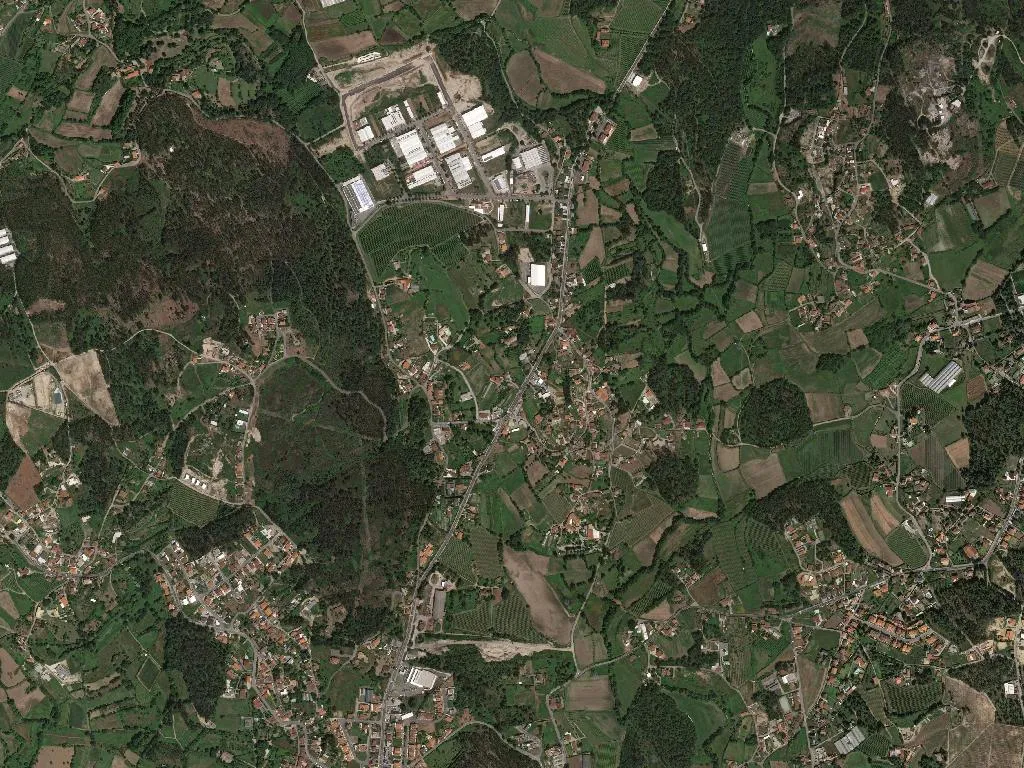
Gême takes its name from gemellus – twin. Some say two identical farmsteads, others swear it was a pair of brothers who first cleared the alluvial terrace. Either way, 521 souls now share 160 ha barely 60 m above sea-level, which explains why the River Ave invades the streets when the Minho clouds burst. Inside the chapel a faint tide mark recalls the night of 1987.
Wine that never leaves
The loureiro from Gême scooped a medal at the Braga agricultural fair in 2019; no one turned up to collect it. The three quintas – Caniço, Veiga and Cruzeiro – make a collective 3 000 bottles a year, every last one opened within the parish boundaries. To taste, you book a morning’s picking in September, work until your hands are purple, eat sarrabulho rice at noon, then leave with two bottles wrapped in newspaper. €25 pp, minimum six, call Mr Armindo on 253 123 456.
Friday means caldo verde ladled from a zinc cauldron; when the pig is killed, the blood goes into the rice; Easter Sunday the ovens roast kid scented with wild bay. The only restaurant is O Túnel on the EN205, where 12€ buys pescada à moda de Vila Verde – hake poached in coriander-flecked broth. Ask for the separately fried potatoes, but arrive before 14:00 or the kitchen closes.
Down to the river
A dirt lane begins behind the cemetery and runs 4 km to the Ave, skirting the hamlet of Tregal where boys float for carp and perch on home-made rods. Pack coffee – there is no bar. The reservoir is barely 500 m long, but the water is deep enough for teenagers to leap from granite blocks that look like broken staircases. The best platform is beside the split willow; look for the white scar on the trunk.
When the churchyard floodlights switch off, the evening is over. The last bus to Braga leaves at 21:30; miss it and Zé’s taxi waits on the square – €20 to Vila Verde station, music optional.