Full article about Loureira: Where Oak Smoke Weaves Through Vineyard Mist
Tiny schist hamlet above Braga, scenting air with fumeiro chouriça and moon-bottled Loureiro.
Hide article Read full article
Between the Smokehouse and the Vine
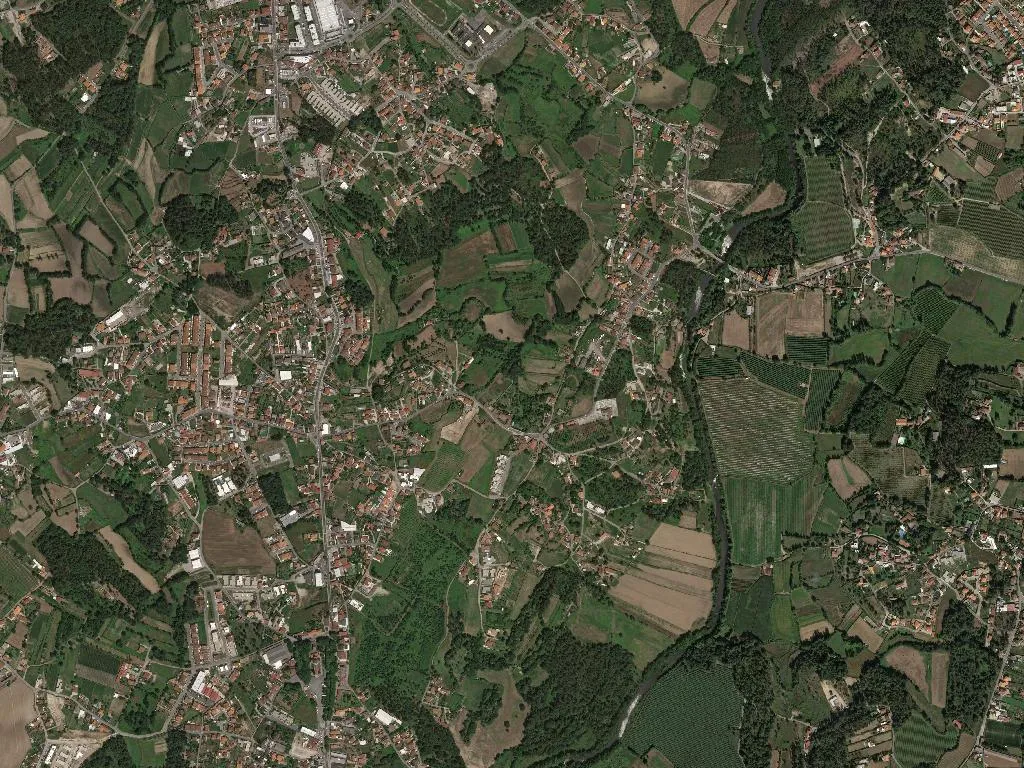
The morning rain has left the vineyards smelling of wet basalt, and that scent collides with the slow drift of oak smoke from Sr. Alberto’s fumeiro where chouriça is darkening like mahogany. In Loureira, 56 metres above sea level and barely fifteen minutes from Braga’s ring road, the day is still choreographed by people who can read a berry’s sugar by its skin tension. Only 1 104 souls are scattered across these schist ridges, enough to fill a single London block, yet the view runs uninterrupted from the Romanesque tower of Barcelos to the granite bulk of the Gerês massif.
Saints, Processions and an Excuse for a Party
June here belongs to two calendars. The municipal Festa de Santo António (yes, the Lisbon saint, but don’t mention sardines) turns the lanes into an open-air tavern: one butcher, one baker, several trestle tables and a soundtrack of accordions that haven’t changed key since 1973. A fortnight later the Romaria de Nossa Senhora do Bom Despacho sets out from the 18th-century chapel. Pilgrims walk the ancient cobweb of paths between granite calvaries, each carrying a worry to be “despatched” before the harvest. The valley throws their hymns back at them, a natural amphitheatre of vines and maize.
Tastes that Carry a Passport
The kitchen larder is strictly post-coded. Carne Cachena da Peneda DOP – beef from the long-horned mountain cattle that winter in the high oak forests – arrives deep-ruby and tastes of heather and storm. Pour over Mel das Terras Altas do Minho DOP, a dark amber that grandparents parcel into 50 g twists for grandchildren who think “the north” stops at Porto. Even the potatoes hold a certificate: Trás-os-Montes IGP, nutty and waxen, roasted in pork fat until their edges caramelise.
Green wine, naturally, is the constant. Not the supermarket fizz, but Loureiro and Arinto pressed in the granite lagares behind the houses, bottled while the moon is still waxing and drunk from thin tumblers that are refilled without asking. Winter demands caldo verde thick enough to hold a spoon upright; August stretches São João’s sardine season well past its orthodox expiry. The rule is simple: if the tomato is still warm from the vine, it’s summer, whatever the calendar claims.
A Demographic seesaw
Census takers count 153 children under 14 and 233 residents over 65. The gap looks dramatic on paper, but on the ground it dissolves into shared labour: the same child who races a homemade go-kart down the lane at dusk will be up at dawn guiding the tractor while grandfather judges the torque over bitter espresso. Braga’s university hospitals and shopping malls lie twelve kilometres south, close enough for Deliveroo to feel theoretically possible, far enough for no one to bother. The hills roll rather than soar; vineyards alternate with kitchen gardens whose scarlet pimentos glow like traffic lights against the green. There are no viewing platforms, no gift shops, no brown heritage signs. The village trusts you to look up.
When the church bell tolls the angelus, dogs, tractors and the irrigation channel fall into the same minor key. Chouriça continues its slow metamorphosis in the smokehouse, tightening, darkening, waiting for the day a car with foreign plates reverses up the lane and a boot opens for the weekly care package. Until then, Loureira keeps its own tempo: one part liturgy, one part agriculture, zero part apology.