Full article about Wooden Bowls & Rival Cousins in Marrancos-Arcozelo
Sundays ring with malha feuds, 17th-century pew rent and pork rojão in Vila Verde’s merged parishes.
Hide article Read full article
The Sunday Clack of Wooden Bowls
The thwack of mahogany balls on the malha court still echoes across Marrancos every Sunday, though the rhythm is no longer what it was. Same corner, same café, same two men: Zé Manel and Arnaldo have been arguing since 1978 over whether a throw clipped the jack or merely kissed it. Half the game is aim; the rest is theatre. When the dispute peaks, Maria appears at the top of the lane, hands on hips, to summon her husband for lunch – “the soup’s on the table now, and it won’t wait for your half-inch”.
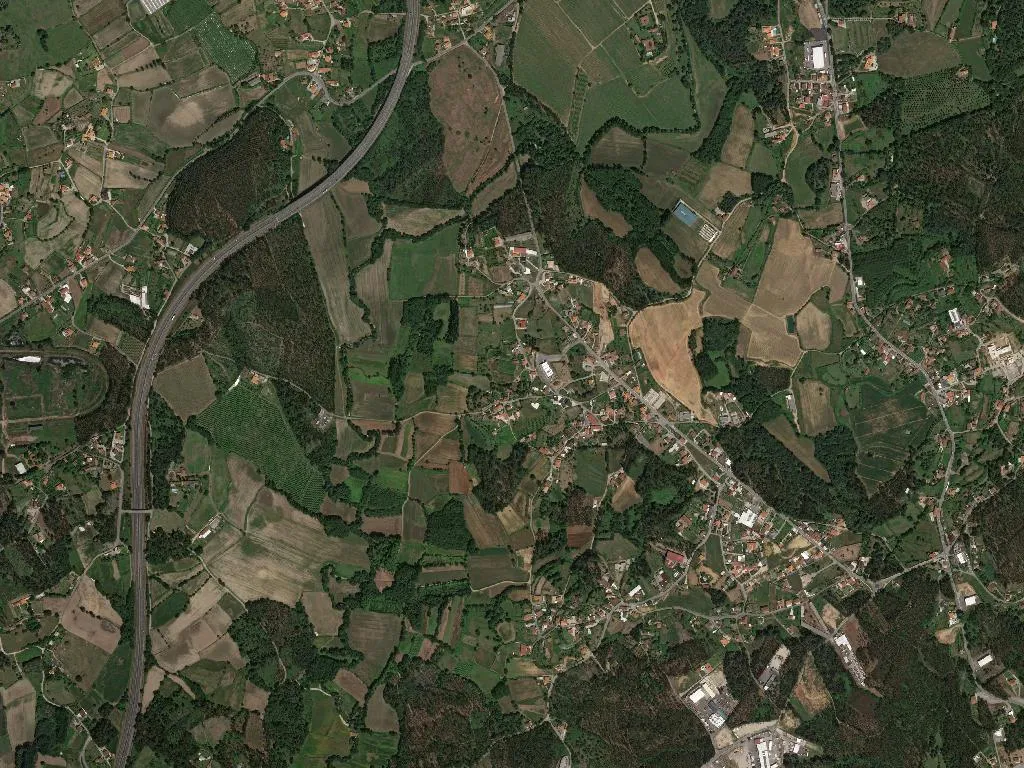
The 2013 merger that yoked Marrancos to Arcozelo was billed in Braga as administrative tidiness. On the ground it felt more like seating estranged cousins at the same wedding table. Marrancos kept its bouledrome; Arcozelo kept its football pitch where kids trade fluorescent boots and argue Ronaldo vs. Félix. But come the festa both sides converge on the churchyard, even the cousins who haven’t spoken since the last municipal election.
Pews, Padlocks and Small Acts of Defiance
The 17th-century Igreja de Santiago in Marrancos opens with a groan that makes tourists check their audio guides. Inside, the benches still carry family names scorched into the wood – rent paid for the privilege of a reserved seat. Father António, posted here from the granite fastness of Gerês, claims he has never seen greater courage than octogenarians hobbling two kilometres for the 7 a.m. Mass, arthritic knees protesting louder than the sermon.
Arcozelo’s church is younger – whitewash and 1963 concrete – yet the ritual is identical. Custodian António keeps the bell-tower key in his waistcoat and climbs the 43 steps every evening “to inspect the stonework”. Everyone knows he is really escaping his wife’s television novellas.
What Arrives on the Table
Rojão begins and ends with three ingredients: pork shoulder, house white and an unapologetic fist of garlic. The trick is to leave it on the hob while the world is solved at the café – a process that seldom finishes before the wine does. It appears at lunch with cornbread thick as brick and a tumbler of Loureiro served from a ceramic bowl because, as Zé puts it, “mugs are for coach parties”.
Arcozelo’s contribution is the forminha, a dainty seashell of sponge, honey and cinnamon that grandmothers produce only when grandchildren threaten to defect to supermarket cake. The recipe is pinned to the bakery wall on a sheet yellowed by 40 years of sugar dust. The honey is walked in weekly from Gerês by Joaquim, who swears it is DOP but forgets to bring the certificate. No one asks; it quietens winter coughs better than any chemist.
Tracks, Benches and September Songs
The footpath between the two villages is 1.8 km – thirty minutes if you dawdle, less if Senhor Albano’s Labrador decides to escort you. Vine terraces spill down the slope like bolted green silk; loose schist skitters underfoot. Halfway up, a stone bench faces north-west: on clear days the view stitches together cornfields, the Cavado river and the first blue ridges of Peneda-Gerês. It is the village smoking area, WhatsApp voice-note studio and postcard-writing bureau for sons in Lyon or Luxembourg.
September’s romaria is what remains of the grape festival. The statue of Nossa Senhora do Bom Despacho no longer travels on shoulders – a parish van with hazard lights handles logistics now – but the hymn still climbs the hill a cappella, loose change rattling in the collection basket. Afterwards comes stone soup: potatoes, beans and a single river-washed rock for seasoning, plus bottomless bottles of vinho verde. Someone always cries, “because it tastes like 1963”.
Stay for Dusk
There are no marble façades or ticketed attractions. The spectacle is the hush under the oaks at 7 p.m., the scent of burnt eucalyptus, the glass of red that materialises in your hand with no tab to settle. Sit on the church step. If Armindo is in the mood he will explain how you courted a girl before electricity, when darkness meant something and a torch was a pine knot dipped in resin. Time here is not kept; it is granted, generously, as though the world outside were in no hurry to end.