Full article about Oleiros: Where the Bell Sketches Vila Verde’s Quiet Squares
Oleiros, Vila Verde—hear a two-stroke bell drift over Loureiro terraces, rehearse with an 1883 brass band and taste August basil processions.
Hide article Read full article
The bell that measures out 3.8 km²
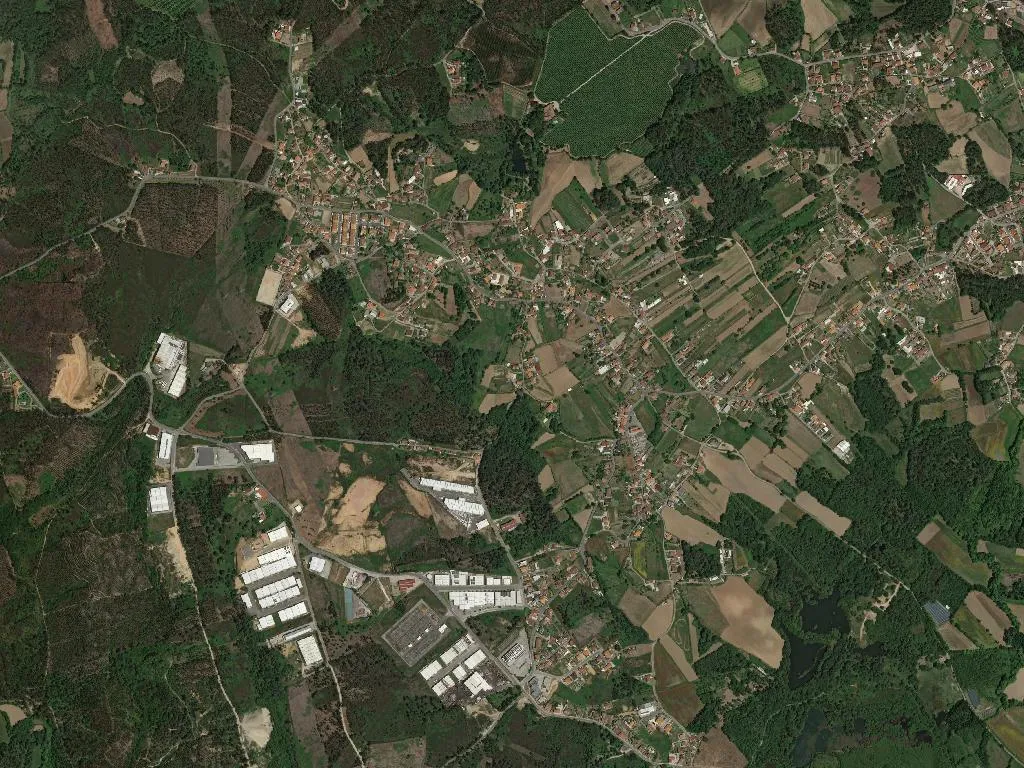
At 11 a.m. the single bell in Capela de Santo António strikes twice, and the note lingers just long enough to reach every granite rooftop in Oleiros. The parish covers barely four square kilometres, a low, clay-coloured patchwork wedged between the River Cávado and the first ripples of Portugal’s interior plateau. From the chapel steps you can see the geometry of the place: low terraces of Loureiro vines, rows of maize, and the occasional oak left standing to shade a threshing floor. No vista here will make a postcard, yet the proportions feel deliberate, as if someone had once drawn a quiet line between field and house and then refused to let either encroach.
That refusal is still audible. On Thursdays the Filarmónica rehearses in the old primary school; the brass line carries through open windows and slips into the lanes where lizards warm themselves on schist walls. Founded in 1883, the band is older than the republic and plays waltzes that sound vaguely Breton, proof that this corner of the Minho once listened to the same maritime stations as northern France.
Clay that named a village
Oleiros never forgot its potters. The name survives even though the last kiln cooled decades ago; only the clay pits remain, now overgrown with wild fennel. Walk Rua de Santo António at dusk and you can still read the trade in the walls—granite at ground level, russet tiles above, the colour of wet terracotta after rain. Inside the mother church a gilded retable flares with late-baroque vines, carved by someone who had clearly spent more time training tendrils than reading theology.
The calendar, too, is moulded by hand. On 15 August the Romaria de Nossa Senhora do Bom Despacho sets neighbours from Ruivães and Arcos walking the dirt tracks before dawn, baskets of bread and basil balanced on their heads. By nightfall the parish square smells of grilled pepper and wet laurel; the band launches into a march, and teenage girls in embroidered blouses count beats on the cobbles with the precision of drummers.
Minho on a plate
Caldo verde arrives first, the soup poured from a copper pan so thin you can read the bowl’s glaze through it. Shreds of local couve galega float like green commas, punctuating a purée of Redondo potatoes and onion. Next come rojões—pork shoulder seared in paprika until the edges caramelise—served with roast chestnuts and a single slice of orange that works the way a squeeze of lemon does on grilled fish. Between courses the wine changes: loureiro if the grapes faced north, arinto if the slope tilted south, always poured from a glazed clay jug heavy enough to require both hands.
The same jug reappears at breakfast the next morning, this time full of papas de sarrabulho, the blood-thickened porridge that tastes of clove, cumin and smoke from last night’s firewood. If you ask, the baker will produce toucinho-do-céu, a yolk-sweet bar that began life in convents further south and crossed the Cávado by mule in exchange for linen. Take it with espresso made from a roaster in Braga who still buys his beans through the port of Leixões, the way Portuguese traders did in 1750.
Tracks without signposts
There are no way-marked loops, simply the old veredas that linked hamlets long before the IC9 arrived. Set out south-east and you’ll meet a granite crucifix dated 1897, its inscription half-erased by lichen; beyond it the path narrows between hedges of hydrangea and emerges into a vineyard where a woman in men's boots is tying canes to wires. She will point—wordlessly, because the Minho can still be shy—to the levada that irrigates her plot, a hand-dug channel that carries water from a spring above Vila Verde. Follow it for twenty minutes and the maize gives way to oak, the oak to scrub, until you reach a threshing floor paved with beach pebbles someone carted inland centuries ago.
Turn back when the bell tolls again; sound travels further at dusk. By the time you reach the square the granite façades glow like embers, and the only other moving thing is a priest letting himself into the presbytery with a key the size of a toothbrush. Somewhere behind him a radio announces the lotto results from Lisbon, the numbers drifting out across a parish where everyone already knows everyone else’s luck.