Full article about Hidden Panels & Hilltop Bells of Valbom’s Threefold Parish
São Martinho’s 16th-century paintings, medieval levadas and June sardine fires unite Valbom’s merged
Hide article Read full article
The Morning Light on São Martinho’s Atrium
The morning sun spills through the atrium of São Martinho’s church, casting a golden glow across the pale granite of the square. Inside, in the dim light, two 16th-century panels stand defiantly, waiting for a passer-by to pause: Nossa Senhora da Assunção and São Pedro, their gilded faces hidden behind the baroque altar until restoration work in 2013 revealed them. No one knew they were there.
Three Names, One Valley
Valbom is three parishes rolled into one since 2013: Valbom (São Pedro), Passô and Valbom (São Martinho). Each hamlet keeps its own identity in its chapels, patron saints and granite calvaries scattered between Bouças, Paço and Pomarelho. The name comes from the fertility of these lowlands, irrigated by medieval levadas that run down from the Serra da Cabreira. São Martinho de Valbom was once São Martinho de Babó or Fogaças until 1855, when it still belonged to the now-vanished municipality of Pico de Regalados. The parish books still record it.
The Altarpiece That Hid Paintings
The Igreja Matriz de São Martinho blends Romanesque-Gothic lines with a gilded baroque altarpiece. The 16th-century panels now hang in the nave, flanked by the new mortuary house. At the far end of the parish, the Igreja de São Pedro is quieter. Between them, the 1758 Memórias Paroquiais mention the Capela de São Faustino, once the meeting point for the Confraria das Almas’ pilgrimages.
June, the Month of Santo António
Santo António rules June. The square fills with paper lanterns, grilled sardine smoke and bonfires. It is a municipal feast that pulls all of Vila Verde into Valbom. People hand out Santo António buns—dense, hand-torn loaves—before folk-dance troupes take the stage. In August the Romaria de Nossa Senhora do Bom Despacho draws faithful from Braga: open-air mass, a rural procession, Latin hymns drifting over cornfields.
At the Table, What the Land Gives
The cozido uses IGP potatoes from Trás-os-Montes, Galician kale, smoked chouriço and dark farinheira, slow-simmered in an iron pot. Wood-oven kid goat arrives with oven-baked rice and vinho verde from Basto. On feast days there is veal braised in white wine, goat and sheep cheeses, DOP honey from the Terras Altas do Minho and, when available, Cachena beef from the Peneda. Dessert is toucinho-do-céu, Outeiro sponge cake or Passô meringues—recipes passed from mother to daughter.
Paths Between Levadas and Espigueiros
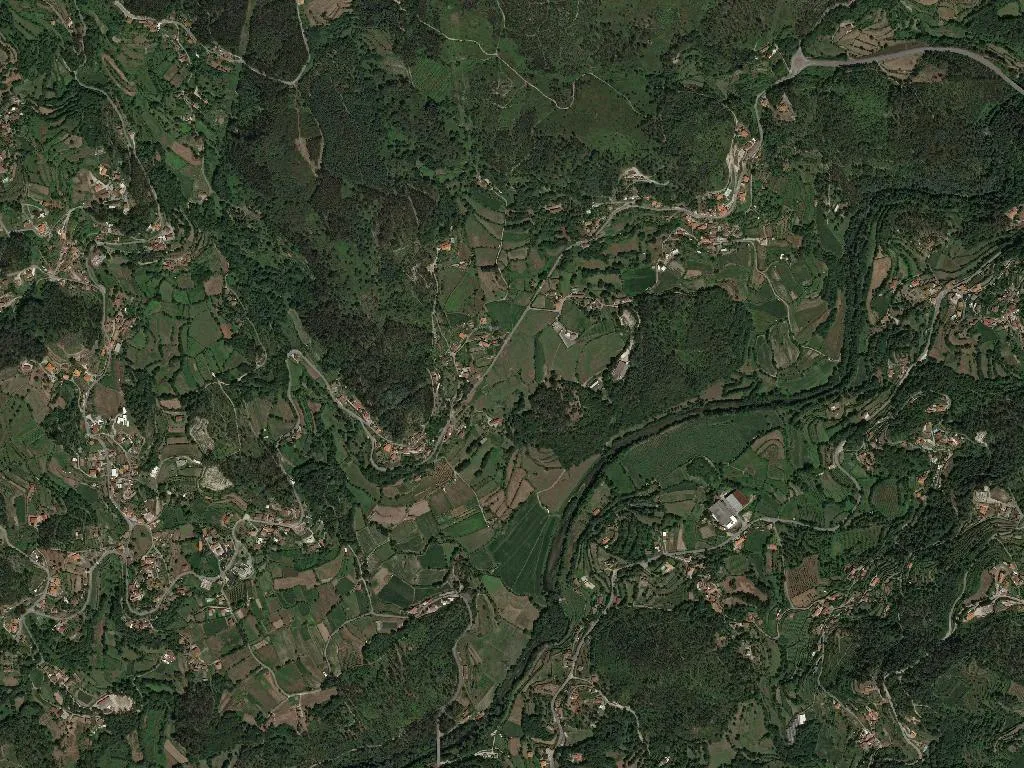
The landscape is classic Minho lowland: flat meadows, apple orchards, vines trained on trellises. Small Cávado tributaries cut through the marshland. Stone-lined levadas, centuries old, still channel water to the fields. There are no marked trails, but farm tracks link Bouças to Pomarelho, past granite calvaries, weather-bred granaries and manor houses. The Cávado eco-trail lies five kilometres away.