Full article about Valdreu: Where Time Rings in Threes
In Vila Verde’s granite ridge hamlet, a bell, baroque wine and terraces still worked by hand
Hide article Read full article
Valdreu, Minho: Where the Bell Still Keeps Time
The church bell strikes nine, never six, and always in sets of three. Locals stopped consulting wristwatches decades ago; they tilt an ear to São Vicente’s 18th-century tower and know exactly where they stand in the day.
Getting There
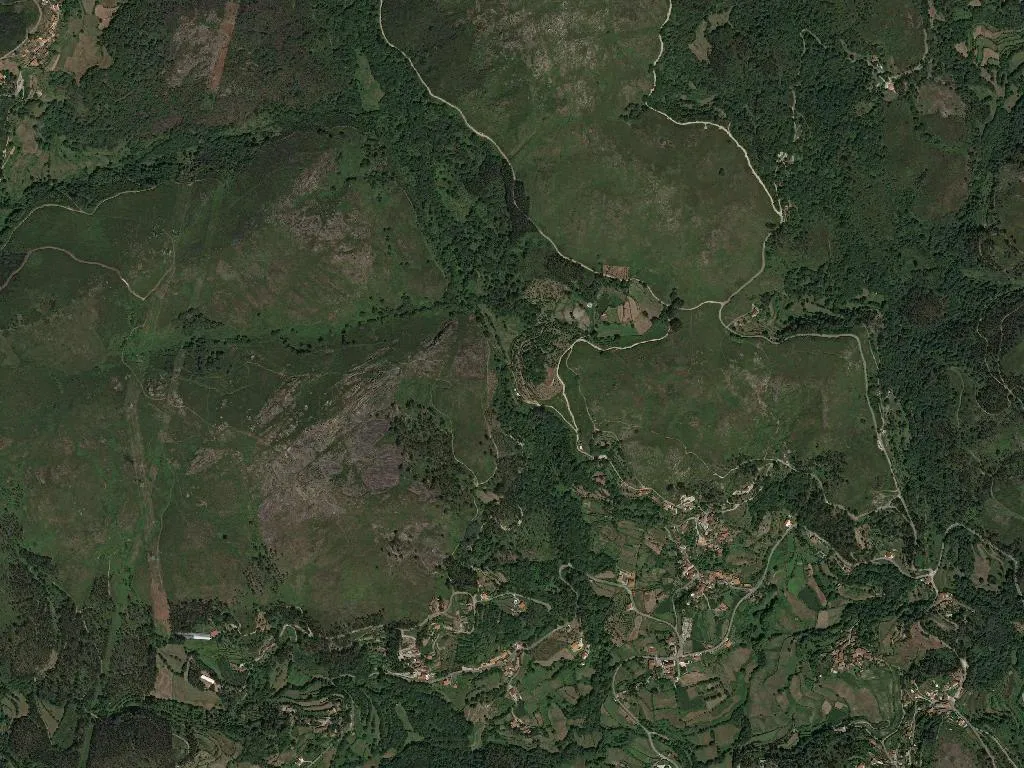
Twelve kilometres on the map from Vila Verde, Valdreu demands a full twenty minutes behind the wheel: the M513 wriggles over granite ridges, narrowing to a single car’s width where the eucalyptus leans in. Public transport is an early-morning gamble—Transdev’s minibus leaves the town hall square at 07:30 and again at 17:30 (€2 exact fare). Miss it and the road is yours alone.
What the Numbers Say
Population 434, median age hovering around 67. The primary school closed in 2012; children now travel 7 km downhill to Ribeiro. Altitude 300 m, enough to lift the air above the Lima valley humidity yet keep Atlantic breezes at bay.
A Name Without a Face
Valdreu derives from the Latin Vallis Rueda—the valley of someone called Rueda—but parish records fall silent on who that might have been. The earliest written mention appears in a 1537 land register, though Iron-Age castros on the southern slopes suggest much older occupation.
Inside São Vicente
The mother church is no national monument, yet its gilded baroque retable crossed the Pyrenees by oxcart in 1784, a gift from French clergy grateful for Portuguese wine sent north during a bitter winter. Granite-carved grape motifs still edge the confessional door.
Working Land
South-facing terraces, each no larger than a suburban garden, stitch together 42 ha of Loureiro and Arinto. September’s harvest is done entirely by hand; students from Braga earn €40 a day, lunch of caldo verde included. Lower fields alternate between maize for broa (dense corn-and-rye bread) and potatoes destined for a neighbour’s copper still. Three stone lagares continue to press grapes with hand-hewn wooden beams; the resulting white carries no label beyond the grower’s surname.
Flavours Worth Knowing
Honey is protected under DOP Terras Altos do Minho—buy it at the gate for €8 a kilo. Cachena beef, marketed simply as “vaca”, arrives on foot from the Peneda hills; expect it in a cumin-scented ensopado rather than as a conventional steak.
When the Village Swells
Three weekends redraw the map:
- 13 June: Santo António, with bonfires and grilled sardines
- Last weekend of June: Festas Concelhias, a municipal blow-out
- 15 August: Romaria de Nossa Senhora do Bom Despacho, a procession followed by brass-band marches
Returnees from Paris and Zürich reclaim childhood bedrooms; the 200-metre main street hosts thirty communal tables. Sarrabulho—pork blood stew studded with cumin and smoked sausage—flows in industrial quantities, chased by 200 ml tumblers of sharp white. Music ends at 01:00; the parish council president still has to irrigate at dawn.
Walking Out
There are no signposted trails, only centuries-old dirt tracks. A gentle 3 km lane links Valdreu to Gondiães; 5 km further south drops you at Ribeiro’s health centre. Carry water—no café en route.
Where to Refuel
O Cantinho opens at 07:00 and shuts promptly at 20:00, closed Mondays. Espresso €0.60, draught beer €1, ham bap €2.50. The nearest bed is an Airbnb back in Vila Verde; villagers will happily phone ahead for you.
Nightfall
At 21:30 the bell rings once more, a polite reminder to dim the lights. Dogs settle, children sleep, and the only sounds are the River Homem shifting stones far below and wind worrying the chimney pots.