Full article about Dawn mist and toll-stones over Prado’s Cávado
Hear the 14th-century bridge echo as kayaks glide beneath and wood-smoke rises from Vila de Prado’s
Hide article Read full article
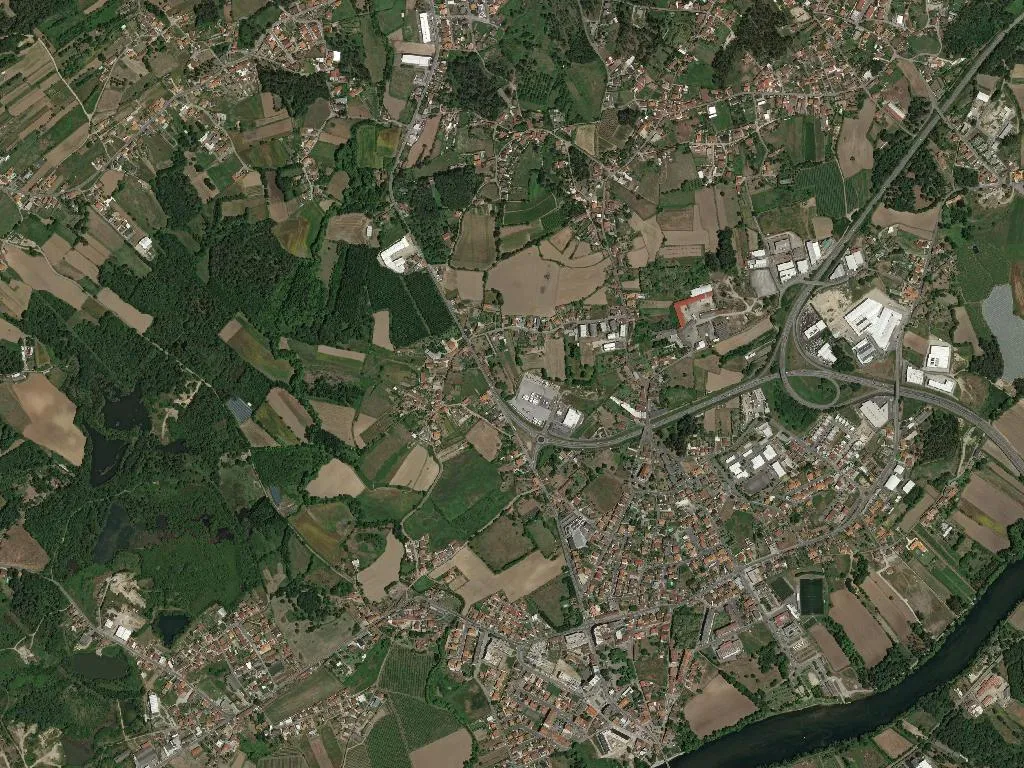
Granite is still cold underfoot when you cross the Ponte de Prado at dawn. Its two unequal arches – a 14th-century plank thrown across the Cávado – amplify every footstep while mist unspools from the water like slow curtains. On the far bank the Faial river-beach is empty save for a single kayak: stroke, silence, stroke. Wet-earth scent drifts upstream, braided with wood-smoke from the first kitchen fires. Vila de Prado wakes like this, caught between river and flood-plain, carrying eight centuries of crossings in its stone.
Where the river once charged a toll
The bridge is more than masonry. University archives show a river toll here from 1370 to 1834 – one of the very few in the Minho where the water itself demanded payment. Boats travelling upstream or down were stopped and charged. Now the only traffic is coastal pilgrims on the Camino de Santiago, weekend cyclists on the Prado-Casal greenway, and children who, every June, balance dyed eggs on the parapet for the “Ovo na Ponte” – a pre-solstice game whose rules no one can explain. A 16th-century granite pillory – classified as a building of public interest – stands in the churchyard as a reminder that Prado once governed itself; the village officially reclaimed town status in 1991, though the post office took four more years to acknowledge the fact.
Market, mass and water: the three daily compass points
The Feira dos Vinte, held every January since at least 1519, is Portugal’s third-oldest continuous fair. For three days the narrow streets smell of papas de sarrabulho – a blood-rich pork stew – while reed baskets, toy boats and concertinas change hands. On Tuesdays the weekly market colonises the square in front of São Tiago church; inside, 18th-century azulejos bounce rainbow light onto a gilded baroque altarpiece. Downriver, the tiny chapel of Santo Amaro keeps 1724 frescoes of the Passion painted in weather-washed ochre and indigo. On the last Sunday in May the Romaria of Nossa Senhora do Bom Despacho drifts downstream in a flotilla of flower-decked boats, candles guttering in the current.
Roast suckling pig, lamprey and meringue: the taste of one valley
At Tasquinha da Caranga suckling pig crackles over oak embers, the skin blistered and painted with sweet paprika; it arrives with a mound of rice thickened with the same pig’s blood. In Lent the menu switches to lamprey from the Cávado, simmered in red wine, onion and olive oil. Suspiros de Prado – crisp meringue sandwiches filled with egg-yolk jam – are served with espresso sharp enough to cut the sugar. Locals wash it down with Loureiro vinho verde, lightly pétillant from the sub-region of the same name. Potatoes stamped with the Trás-os-Montes IGP label turn up in a broad-bean feijoada; sheep’s-milk curd is spread on warm corn bread from the communal oven, then drizzled with high-altitude Minho honey. Sunday tables finish with Cachena beef from the Peneda hills, its meat rosé and marbled, slow-cooked with mint.
Fresh water, oars and alder shade
Faial’s river-beach flies the Blue Flag and boasts the country’s only freshwater marathon pontoon. Maria Gomes, European junior silver medallist in 2022, trains here at first light; Zé Manel from Café Central still keeps the key to the shed where she stored her first kayak. The “Caminho dos Vinte” footpath winds eight kilometres through maize fields, vines and 500-year-old olives, pausing at the Manueline spring of Santo António, flowing since 1563 – drink three mouthfuls, locals insist, and you will never forget Prado. Grey herons settle on the salt-marsh, great crested grebes dive without ripples. The Faial arboretum – willow, alder and poplar planted in the early 1900s – filters daylight into shifting layers of green and gold, a refuge for migratory waders and the river’s permanent whisper.
When the low sun turns the Cávado to copper and the Náutico’s blades clatter home, what lingers is the sound of feet on medieval stone, the scent of wet earth that fog delivers each morning. Vila de Prado refuses to be captured in a single frame: you have to walk it, fingers in the water, suckling pig still hot on your tongue. What stays is not the view but the exact weight of granite under your soles and the certainty that tomorrow the river will rise again.