Full article about Tagilde: Dawn mist over granite taverns
Savour São Bento’s drunken pears and maize-drying barns in Vizela’s quiet Tagilde
Hide article Read full article
Morning in Tagilde
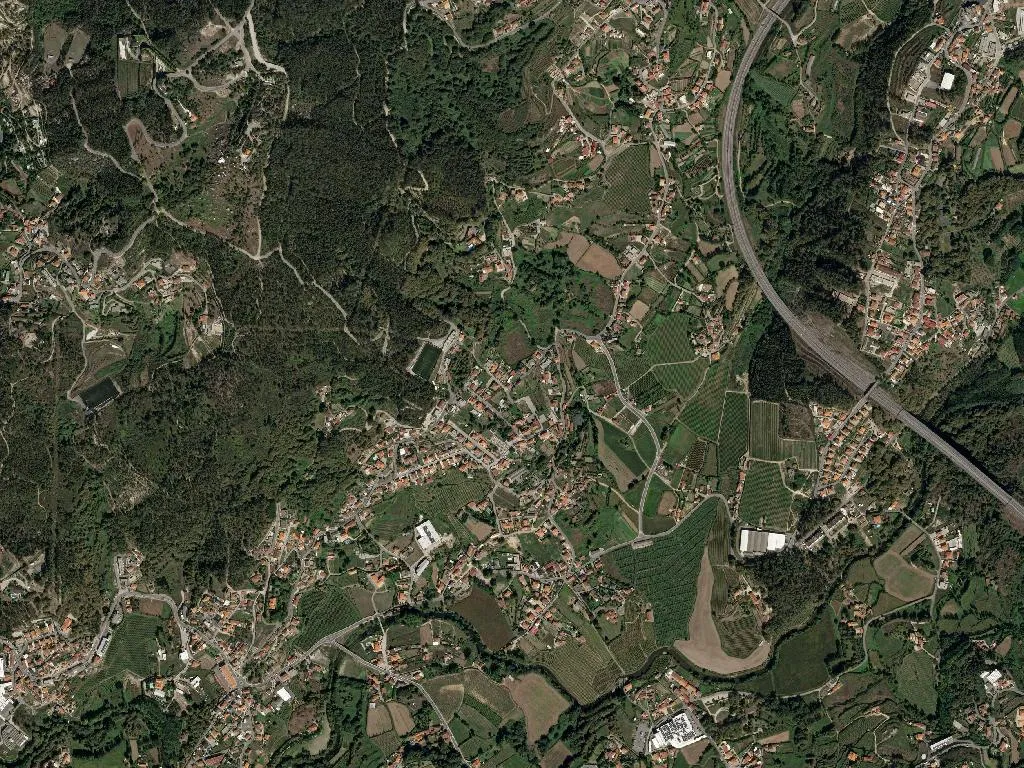
Dawn slips through low cloud and grazes the churchyard where the last pears of autumn still hang. A hush learned by heart: Isabel’s broom whispering across the granite flags before she unlatches the tavern door. Tagilde wakes without announcement, suspended between wet-green fields and stone that warms by the minute as the sun climbs the slope of Santa Luzia.
São Bento and the pear calendar
The Festa de São Bento das Pêras is not advertised; it is tasted. Come mid-July, outdoor ovens exhale yeasted bread into a sky already laced with sardine smoke, and boys filch 'drunken pears' from forgotten orchards—fruit bottled in aguardente months earlier. The procession inches downhill, the brass band swaying like a boat; women walk behind it bare-headed, murmuring the rosary half a tone lower than the accordions waiting in the square. Dancing lasts until the moon thins, when the final rocket drops embers onto jackets and someone promises, voice hoarse, "Next year, exactly the same."
Roots that bite the granite
Vines here earn their keep. Between chestnut groves and the waist-high stone walls called 'pé posto', the rows grapple with wind off the Marão and with schist that splits spades. Maize is the safer bet: every new-moon day neighbours still raise timber frames for drying cobs, a communal geometry unchanged since the 1800s. In Dona Aurélia’s vegetable patch heart-shaped tomatoes double over in the heat; after rain the soil smells of her father guiding an ox through the upper meadow, though the ox and the meadow have both slipped into anecdote.
The River Mau justifies its gloomy name—winter spate, summer trickle—yet memory pools at the Poço das Lavadeiras, where women slap sheets on Saturday mornings, trading gossip the current carries away but never repeats.
Unfiltered daily life
By seven the café smells of burnt toast and espresso ground finer than gunpowder. Inside, dialect knocks against Portuguese: "Ó Henrique, brought the starter?" The tractor rattles past, milk churns sloshing toward the parish co-op; children sprint across the road with exercise books balanced like umbrellas. Late afternoon, the tavern pours Tagilde’s own white—sharp, slightly petillant—unknown beyond Vizela. Zé do Tasco insists the wine was once foot-trodden "in the old senhora’s day"; his wife smirks because the stone lagar still stands in their cellar, "for special guests only".
Where the stones remember
Granite walls absorb the day’s heat and every story strangers never hear. Halfway along Rua do Meio a knee-high notch marks where António’s BSA collided with the shrine thirty years ago returning from Vizela market. Doorways built for shorter generations demand a courteous bow; thresholds shine where centuries of boots have paused. Sunset ignites the flank of Santa Luzia and the village turns the colour of slow-roasted pepper. Woodsmoke rises, a dog barks once, and silence settles—not absence but presence choosing to speak in a lower register. Tagilde issues no invitations; it simply continues, each dawn tasting faintly of last night’s bread crust and of centuries that answered every question with weather.