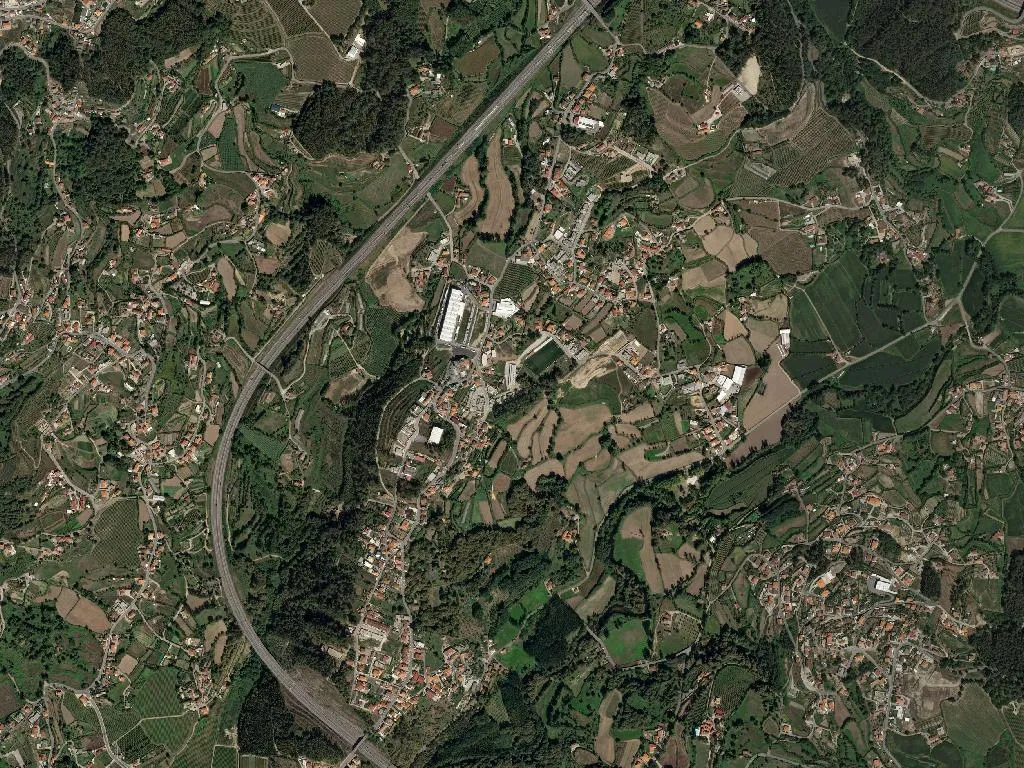
Full article about Vizela (São Paio)
Stone churches, iron-rich springs and pears soaked in brandy: everyday life in São Paio, Vizela
Hide article Read full article
The first light fractures over the River Vizela and the smell of spent coffee grounds mingles with pine breath. It is half past six: the door of Coutinho’s grocery groans open, a dog rehearses the morning’s grievances at the postman, and, somewhere behind the rooftops, the church bell clangs a semitone flat – a flaw no local has ever bothered to correct. The last surviving water-mills sleep with their wheels stilled; under the surface, green algae sway like ribbons tied to a newly-weds’ car.
Stone that remembers
The parish church is catalogued as “late-Gothic with Manueline ribs and Baroque afterthoughts”, but that tells you nothing. Inside, the air is a blend of beeswax and stone that never fully dries. This is where Zé Tavares’ grandfather was baptised, where women still cross themselves when passing even two hours after Mass, and where the sacristy keeps a life-size St Anthony that is only paraded in times of drought. Outside, the coat of arms above the manor doorway of Casa do Postigo has bleached to the colour of weathered linen, yet 1723 remains legible. Children use the shaded step for hide-and-seek because the sun never reaches it.
Water that heals and celebrates
The thermal park is not a manicured spa garden; it is a scruffy lawn where grandparents let grandchildren run barefoot while they queue for hydrotherapy. The drinking spout delivers iron-heavy water that tastes of rust and something pre-dating nitrates. Outsiders wrinkle their noses; locals miss it when they travel. Every Wednesday a coach from Braga disgorges blue-rinsed ladies who ask for “a glass for the knee pain” before filing into Dona Antónia’s dining room: grilled trout, boiled potatoes, and house white served in chipped ceramic jugs that once belonged to her mother.
Pears, masks and drunken fruit
São Bento das Pêras begins when the first tractor arrives from Quinta do Vilaverde carrying baskets that exhale marc brandy. The pears are thumb-sized, speared on wire loops so their juice drips into plastic cups. The outdoor Mass is brisk – the priest has flour-dusted tripe waiting at home, a recipe his sister has guarded since 1978. As the procession returns, the brass band lurches through “Ó Minho, Minho” and nobody winces at the off-key trumpets; the scent of roast kid drifting overhead is more eloquent. In the garage hangs Uncle Alberto’s Careto mask – a tin cat-face that recalls the year he outran the village police and finished the night laughing in the station.
A Minho table
Caldo verde is sliced with old dressmaking scissors; the chorizo comes from the pig Rui slaughtered in December. The soup arrives in slippery clay bowls that burn your knuckles if you forget the cloth. Celeste’s pork cubes carry a lacing of fat rendered to the colour of pale toffee – her secret is a slow flame and patience. Cavacas from Dona Albertina crack like meringue, scattering plump sultanas children hunt from her apron. The wine is poured from Zeca’s bulk tank: bring a plastic bottle, pay €1.50, drink it unlabelled and ice-cold.
Walking with the river
The riverside path starts just beyond the lamprey-fishing bridge where men stand waist-deep in January. Red mud grips rubber boots, leaving prints indistinguishable from the neighbour’s dog. Stop at Azenha do Carvalho: twice a month the millstones still turn to make maize bread for Saturday market. At the far end, the bandstand in the municipal park hosts Filipe and his accordion on Sunday afternoons; his four-year-old granddaughter stamps out a vira on the iron floorboards. Below, the Vizela keeps its old respiration – not music, simply breathing.
When the sun slips behind the church tower, the molten reflection climbs Rua Direita and slips through the window of Mercearia Central, where soap is still sold in paper-wrapped bars. The scent of singed crust mingles with river murmur and settles on skin, hair, clothes. That is what you carry away – not history, but the living smell of an evening that refuses to end.