Full article about Sambade’s Schist Lanes & Chestnut-Scented Silence
Sambade, Alfândega da Fé hides sun-lit schist lanes, chestnut groves, 18C gilded church altars and hearty DOP mountain lunches.
Hide article Read full article
The Long Shadow of the Chestnut Tree
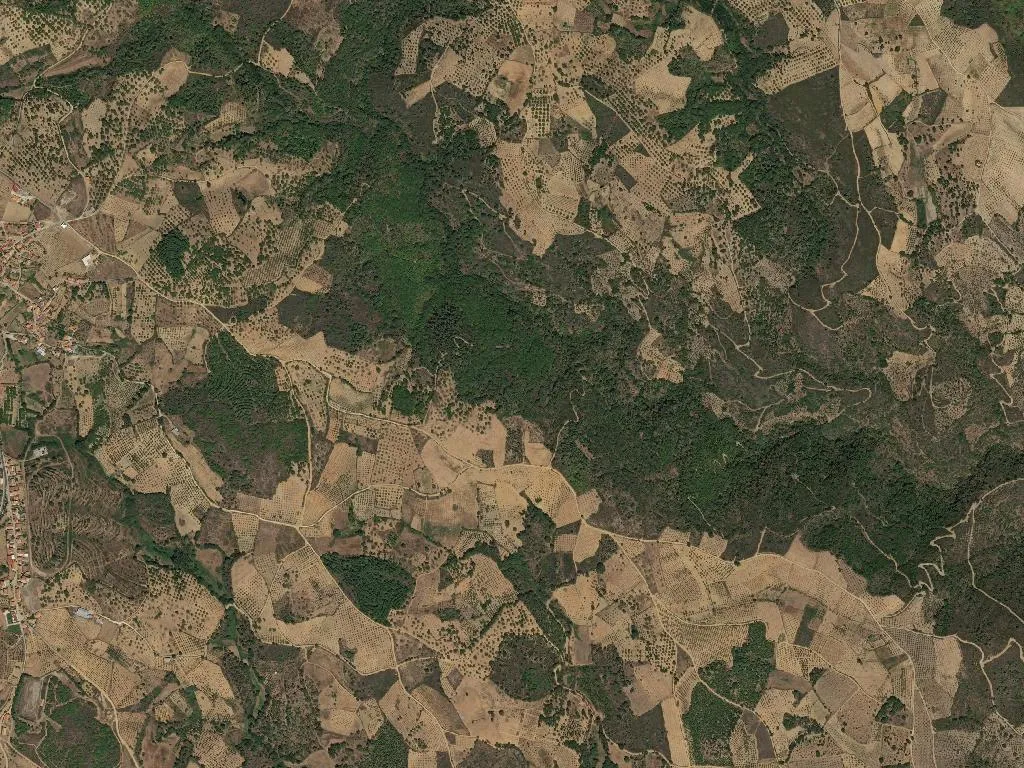
A single chestnut tree throws a cool umbrella of shade across Sambade’s calceted lane. Somewhere below, a dog barks once; the sound hangs in the thin air of 704 m before it dissolves. Sunlight slips down the flanks of the Serra de Bornes, gilding the olive terraces and igniting the schist walls that stitch the slope like dry-stone embroidery. Up here the wind carries two smells only: damp earth and woodsmoke.
Gilded Wood & Baroque Memory
Inside the parish church of Nossa Senhora da Assunção, the eighteenth-century stone breathes silence. Rococo gilt explodes across the side altars—volutes, cherubs, foliage frozen mid-leap by long-dead chisels. The high retable catches candlelight and throws it back in shards of gold leaf, each flake applied during the years when this was one of Portugal’s royal abbeys, a powerhouse of prayer and patronage. Step out and the same stone is picked up again in the village’s former primary school, now the Territorial Interpretation Centre. Inside, the parish coat-of-arms—chestnut tree and open books—has been re-cut in cedar. Panels explain how Sambade once rang with the shuttles of carders who turned local wool, flax and even silk into livelihoods. Ask in the bar and Sr António will show you the spindle his grandmother used while she sang the pattern of the weave.
The Taste of Cold Country
Tasquinhas open only for lunch—no negotiation. Drizzle Trás-os-Montes DOP olive oil over warm broa; tear the crust from Terra Fria DOP chestnuts while steam escapes. “Have another,” insists D. Lurdes, “but go slowly; they fill.” On the board: Terrincho DOP ewe’s-milk cheese, translucent slices of Vinhais IGP salpicão, and slow-roasted borrego Terrincho DOP, its fat blushing with paprika and garlic, the sauce sucked up by potatoes that taste of the very hillside. Dense almond cakes finish with Douro DOP nuts; a glass of local red cuts the sweetness. If you still have room, the pumpkin preserve arrives—grandmother’s recipe, ratio undisclosed.
Chestnut Groves & Footpaths
Soutos—chestnut groves—pleat the slopes above the village. Their trunks twist like characters from a medieval bestiary, survivors of the 1920s canker that wiped out lower orchards. The N315 skims the ridge, but walkers peel away onto cobbled veredas that dive between moss-lined walls and maidenhair ferns. “That wall fell three years ago,” says Sr Manuel, pointing to a slump of stone. “Owner’s in Porto—can’t be bothered.” Terraces of grass and rye cascade downward, interrupted by holm oak and the occasional strawberry tree. On the horizon, the granite bulk of Montesinho Natural Park promises wild boar and Iberian wolves, yet even here the loudest sound is the wind combing the chestnuts.
Twice a year silence is broken. On 5 August the bells of Nossa Senhora das Neves toll across the valley; in January the feast of São Sebastião fills the square with processions and the squeal of grilled pork sandwiches. Returning emigrants—Ontario, France, Luxembourg—are clocked by the old before they’ve stepped from the car. White lights strung between lamp-posts compete with the Milky Way; the espresso machine from 1963, handled exclusively by Sr Joaquim, hisses non-stop.
Dusk drains the last warmth from the schist; the chestnut by the church stretches its shadow the length of the churchyard. Somewhere below, a fresh fire is lit; the first plume of woodsmoke drifts uphill. Inside the bar, a bottle of house red is already open—£3 a glass, no rush to close.