Full article about Chestnut bells over Tua’s drowned valley
Explore Castanheiro do Norte e Ribalonga: chestnut trails, circular Capela do Bom Jesus, Terrincho DOP feasts and Tua dam views.
Hide article Read full article
The Tua Valley: A Landscape of Stone and Tradition
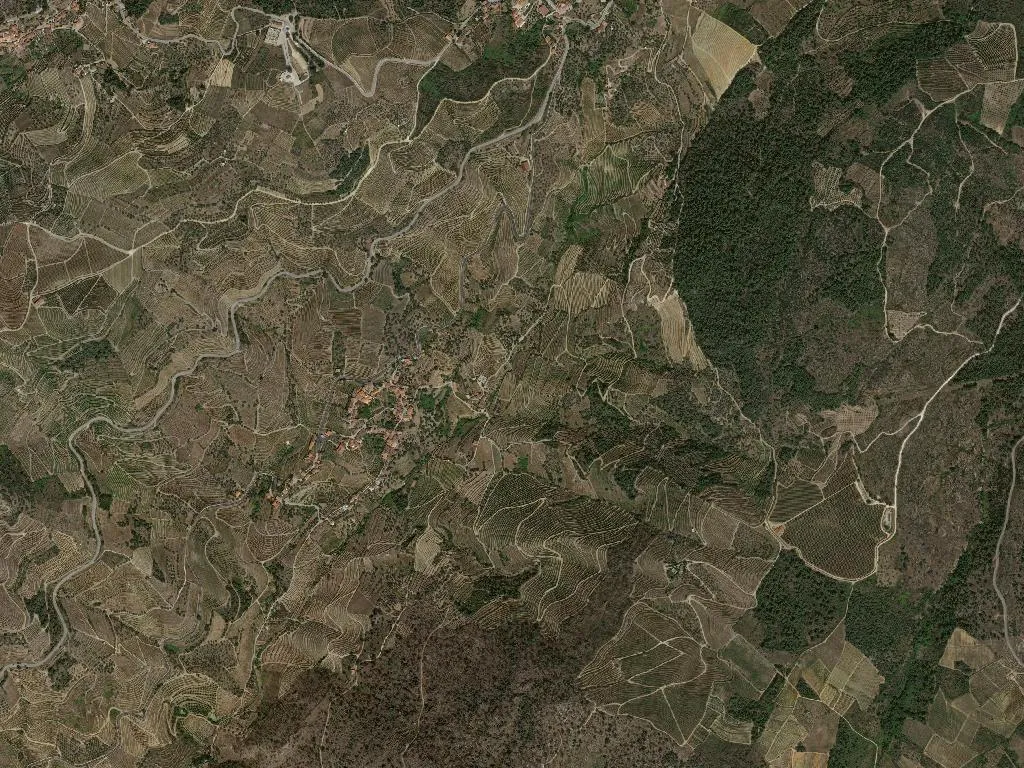
The Tua Valley is a landscape of schist and granite, where vines cling to the slopes and the river flows in deep green. The bell of São Brás in Castanheiro do Norte echoes across the reservoir. Castanheiro do Norte and Ribalonga merged in 2013, but they have always been the same place: same hillside, same hardship.
Castanheiro owes its name to the chestnut trees that still exist. Ribalonga has existed since the 12th century. Between them are Foz-Tua, Fiolhal, Tralhariz. Solares dos Sampaio and Melo, the manor house of Tralhariz, white lime churches on grey granite. The Capela do Bom Jesus is rare: circular plan, light drawing circles on the stone floor. The Santuário do Senhor da Boa Morte overlooks the Douro-Tua confluence. At Cachão da Rapa there are rock engravings that survive time.
Borrego Terrincho DOP, Transmontano kid DOP, Terrincho and goat cheese. Chouriças, ham, salpicão in the smokehouses. Trás-os-Montes DOP olive oil, controlled acidity. Port and Douro wines from estates that still produce. Everything with designation, everything with the taste of this land.
Foz-Tua was a river port until the 19th century. The Tua Valley Interpretative Centre explains how wine was shipped down the Douro. The Tua line closed in 2018; the trails use the old platform. The Trilho do Senhor da Boa Morte climbs through chestnut trees to the viewpoint. The dam, by Eduardo Souto Moura, is white concrete on schist.
The São Brás pilgrimage is on 3 February: bonfires, wine, smoked meats. When the fog rises from the river, it smells of burnt oak.