Full article about Olive smoke & Douro dawn over Lavandeira
Three villages, one ledger, 337 souls—Carrazeda de Ansiães’ quiet heartbeat
Hide article Read full article
Dawn Smoke and Three Villages
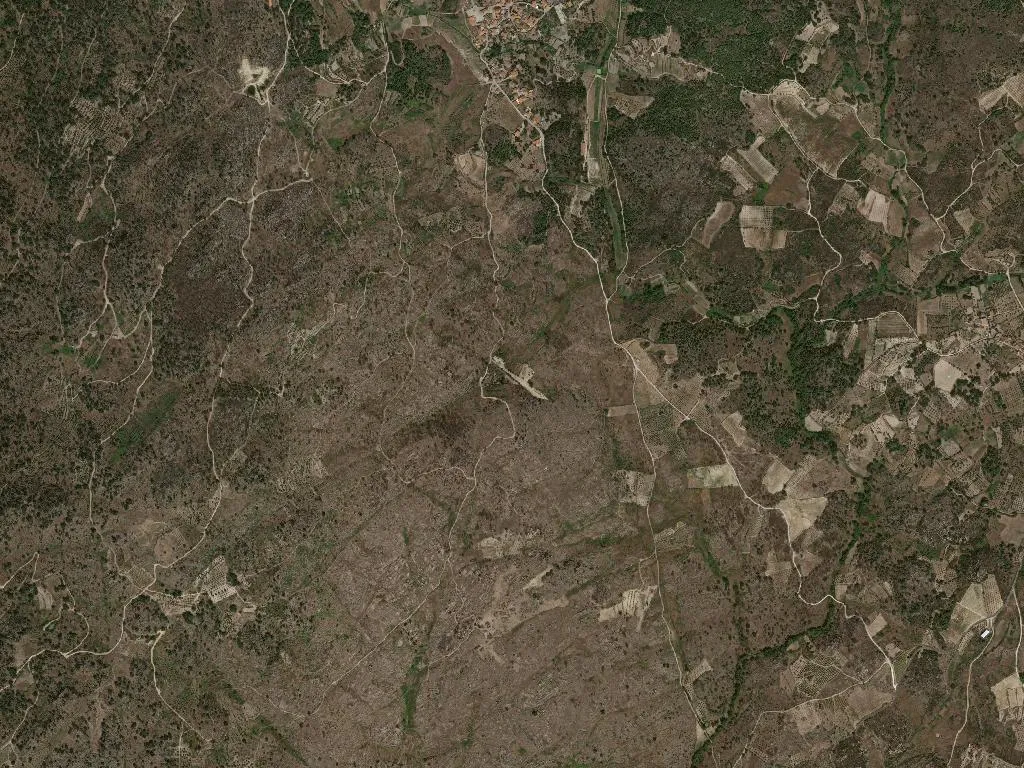
Olive-wood smoke curls from the curing sheds of Lavandeira while the sky is still a bruised violet. At 598 m, the Douro gorge lies far enough below to feel like a cartographer’s afterthought—yet its silver thread is visible from the first terraced vineyard. Three hamlets now share one council ledger, but each keeps its own pulse: Lavandeira with its granite-and-whitewash church of Santa Eufémia; Beira Grande clasping the Seixo dos Corvos lookout; Selores guarding a manor house whose 17th-century stone still smells of smoked chestnuts. Between them stretch 3,604 ha of olive groves, thin-soil vineyards and ochre tracks that belong to 337 residents—roughly nine souls per square kilometre, one of the lowest densities in mainland Europe.
A Feast Without Seating Plans
On 15 September the smoke thickens and every lane tilts toward Lavandeira. The Festa da Marrã—formally the feast of St Euphemia—turns the village into a pop-up gastronomic shrine. Pork hocks roast for seven hours over olive and oak embers; families arrive balancing wicker trays of crusty bread; new-season olive oil is poured in steady green ribbons; red wine sloshes from clay pitchers that never touch the table. There are no tickets, no wristbands, no allocated seats. You find a plank bench, eat what the smoke drifting overhead tells you to, and settle up at the end by whispering your tally to the parish treasurer.
Granite, Baroque Bells and Thirty Parishioners
The Igreja de Santa Eufémia has carried its 1993 “Public Interest” listing with the same modesty it displays toward the sunrise. Thick-washed walls, granite jambs, a bell that still strikes the hour for people who no longer wear watches. Inside, the original gilt-carved retable glints above a 1600s wooden crucifix that leaves the building only once a year, shouldered in slow procession. Sunday’s nine-o’clock Mass regularly draws thirty-odd worshippers—an impressive quorum when the electoral roll is barely ten times that.
Edge-of-World Vista Without Guard Rails
From Beira Grande’s Seixo dos Corvos, the valley floor drops away like a magician’s cloth. UNESCO-classified vineyards fold into pleated schist terraces that staircase down to a distant, mercury-bright river. Wind is the permanent resident here, carrying August’s parched-earth scent or January’s metallic chill. No safety rail interrupts the view; only naked basalt and 300 m of vertical air. It is a balcony for travellers who have deleted the word “itinerary” from their vocabulary.
Stone Presses and Peppery First Oil
The small Museu do Lagar occupies a communal olive mill retired in 1987. Its four-tonne screw press—once powered by six men walking in circles—still smells of crushed leaves. Twenty-minute tours walk you through pre-centrifuge extraction: slow grinding, stone-tank decantation, hand-skimming of the floating oil. The visit ends with a shard of rye bread dunked in neon-green Trás-os-Montes DOP oil that catches the back of your throat like winter sunlight.
Six Bells, One Parish
Evening light lands on Santa Eufémia’s whitewashed façade and the granite around the door releases its stored warmth into the cooling air. A single chimney issues a straight plume—no breeze to bend it—and the bell tower strikes six, the notes rolling across the three villages as though they were still one.