Full article about Linhares: Dawn smoke & schist silence in Douro heights
Linhares village, Carrazeda de Ansiães: 13th-century manor, lagares, olive smoke and a bell echoing down to the Douro—Alto Douro wine country revealed.
Hide article Read full article
Smoke from the Hearth, Echo from the Belfry
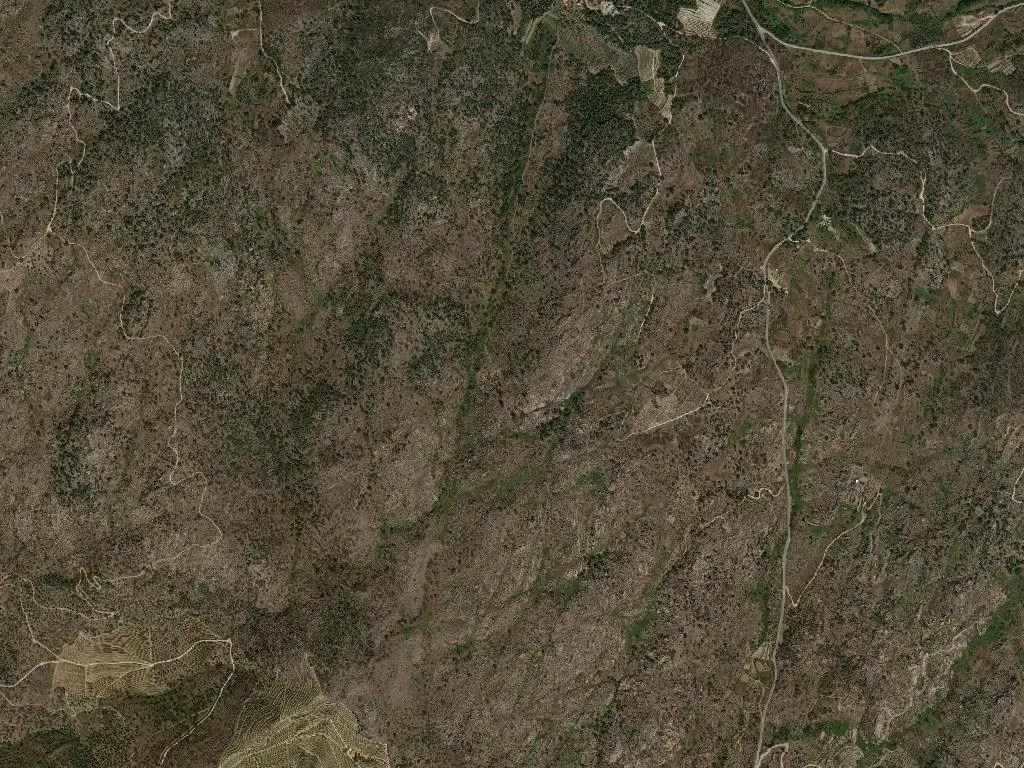
Olive-wood smoke threads itself between the slate roofs of Linhares, rising in slow, pale columns before dissolving into the morning air. At 497 m above sea-level the dawn is sharp; dew still clings to the stone terraces that stitch the hillsides and funnel every sound straight into the valley. When the bell in the Igreja Matriz strikes seven, the note ricochets off schist walls, skims across trellised vines and is finally swallowed by the Douro two kilometres below. There are only 348 residents left—172 of them over 65—and by mid-afternoon the village’s heartbeat is the scrape of a chair on a doorstep or the diesel growl of a distant tractor.
Stone, Faith and Vine
Linhares is officially a “village of public interest,” a Portuguese label that recognises three protected monuments: a 13th-century manor house, a granite wayside cross and the tiny chapel of Santa Eufémia whose feast day, 16 September, still pulls former residents back from Paris and Strasbourg. The wider municipality of Carrazeda de Ansiães adds momentum with its romaria, a procession that gathers parishes from across the plateau, turning the single main street into a slow-moving river of embroidered shawls and brass bands.
The village sits inside the Unesco-listed Alto Douro Vinhateiro, the world’s oldest demarcated wine region. Dry-stone walls, some dating to the Jesuit land reforms of the 1750s, carve the slopes into narrow socalcos—hand-built terraces too small for machinery. Old-vine Touriga Nacional and Tinta Roriz are trodden by foot in stone lagares, then fortified for Port; the same growers reserve a little juice for a light, chalk-dry red table wine locals drink with grilled sardines. Between the vines, centenarian olive trees give the DOP azeite de Trás-os-Montes its peppery kick.
The Transmontana Table
Linhares does not do restaurant theatre; it does larder. Lamb labelled Borrego Terrincho DOP spends the summer grazing on wild thyme and broom, emerging as pink, subtly gamey racks roasted simply with garlic and coarse salt. Smoked chouriça from Vinhais arrives curled like a watch-spring, its paprika-stained fat best melted over crusty rye. Goat’s-milk queijo Terrincho is aged for 60 days in flax cloth, developing a buttery centre shot through with acid-white veins. Dessert is often just a glass of 10-year tawny and a wedge of the village’s own honey; bees here work the same rosemary and lavender that scent the evening air.
Stay in one of the five self-catering schist houses available through the parish council and the loudest noise you will hear is the church bell counting the hours. At dusk the valley turns violet, the Douro briefly flashes copper, then the lights of individual cottages prick the darkness like low stars. Chimneys breathe again, the temperature drops, and the village settles into a rhythm set long before electricity arrived: early to bed, early to tend the vines, the olives, the sheep—an unforced slow motion dictated less by nostalgia than by geography itself.