Full article about Seixo de Ansiães: granite silence & wood-smoke wine
Carrazeda de Ansiães ridge village where 241 souls tread 80-year-old vines into smoky, thyme-scented
Hide article Read full article
Stone, sun and silence
The granite slabs exhale September heat like a storage heater while the bells of Igreja de Santa Eufémia summon villagers to the evening procession. In Seixo de Ansiães’ single-lane alleys, the reek of wood-smoke and charred chouriça drifts through air already thick with the sweet, metallic tang of red must fermenting in open stone tanks. At 620 m above sea-level, on a ridge clawed by tributaries that tumble to the Douro, this Trás-os-Montes parish numbers 241 souls – enough to fill a London pub on quiz night, and almost as noisy during harvest.
Granite on granite, vine on vine
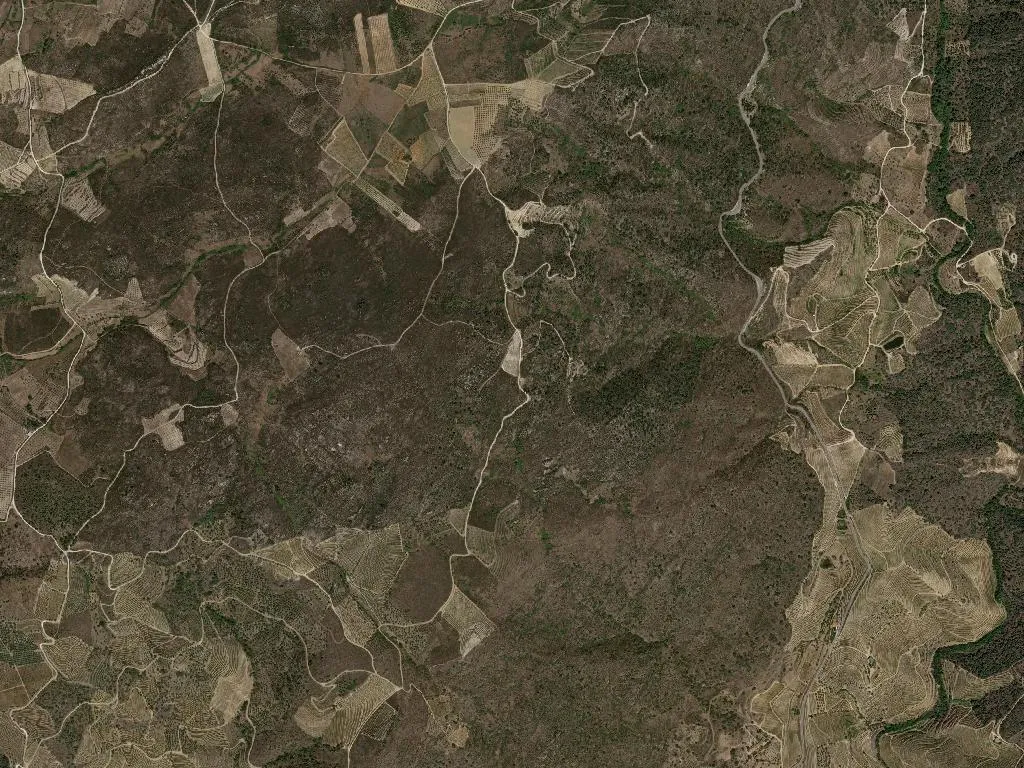
Schist and granite houses grow out of the slope as if the mountain had shrugged. The baroque parish church, lime-washed façade flaking like old paint on a Turner, keeps watch with its eighteenth-century bell that still strikes rural time – the hour after the pickers, not the commuter. Above the settlement, the whitewashed Capela de Santo António surveys a staircase of dry-stone terraces stitched with 80-year-old vines whose roots work finger-deep between quartz seams. In the communal lagar, the floor has been polished to marble smoothness by generations of bare feet; the stone remembers the ballad that once paced the treading.
Silence is the other crop here: ten people per km² means the loudest sound at noon is olives rustling like silk. Of the 241 residents, 104 are over 65; they are also the only certified masters of smoking alheira sausages over holly wood and of coaxing fermented juice into a wine that can sit comfortably beside a £20 Rioja.
Flavours that outlasted the exodus
Tasca O Alberto opens year-round because someone has to. Wednesday lunch is roast Borrego Terrincho DOP, the milk-fed lamb scented with mountain thyme; order ahead for kid goat, brushed with Trás-os-Montes olive oil and blasted in a wood oven until the skin fractures like caramelised sugar. Salpicão de Vinhais IGP is sliced thumb-thick, served with warm, crusty bread and a choice of house reds – 2018 or 2019 at €3 a glass, poured from unmarked bottles that once held Fanta. Ask for cheese and the waiter scribbles a door number on the paper tablecloth: Mr Armindo, second house after the bend, keeps the goat and ewe wheels under muslin in his larder.
Walk among holm oaks and memories
The signed loop starts behind the church, climbs 4.2 km through vineyards and olive groves, and takes ninety minutes – carry water, there are no fountains. At the two-kilometre mark a left fork climbs to a granite outcrop where the Douro appears, a strip of beaten pewter far below. Double back; the onward track collapses into bramble. August’s Romaria da Assunção hauls in folk-dance troupes from Miranda do Douro; the procession begins at 10 a.m. but shade along the single bench is gone by nine – bring your own chair.
When the last grape is trucked to the co-op, Seixo reverts to its default setting: absolute hush after 21.00, café shutters down by 20.00 except Fridays, and the only constellation the three blue squares of television light in farmhouses half a mile apart. Miss the 18.30 bus on the N212 and you’re staying – the nearest room is 25 km away, and it’s already full of hunters.