Full article about Carrapatas: Bronze bells, bread smoke & frost-sharp granite
Medieval tick-land village, 153 souls, 1689 calvary, Manueline pillory, olive-oil December
Hide article Read full article
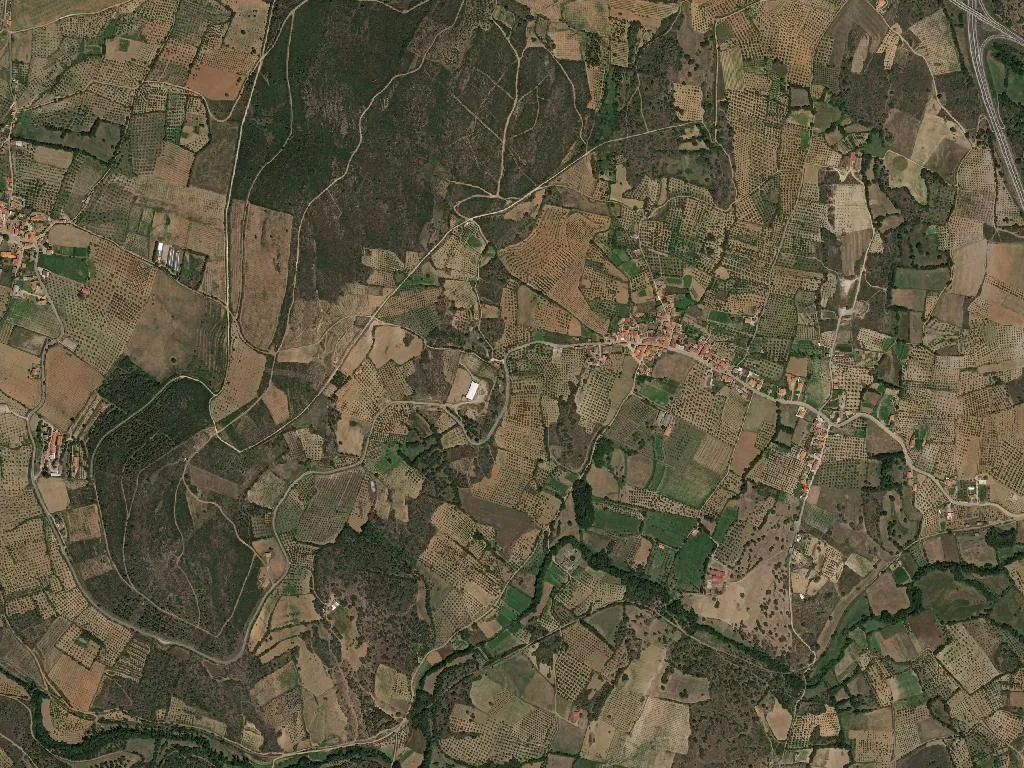
Granite cobbles squeal underfoot on a frost-sharp December morning. From stone roofs, threads of smoke unspool: it is bread-baking day. At seven o’clock the bell of the mother church shakes Carrapatas awake, the same bronze note that has crossed this valley since the 1720s. At 544 m, the cold finds marrow. A single dog barks somewhere down the slope.
The village germinated in the Middle Ages, a gift of the Knights of Christ to shepherds who fought ticks—carrapatos—plaguing their flocks. Today only 153 souls remain, the smallest parish in Macedo de Cavaleiros. In the churchyard a granite calvary dated 1689 keeps watch; beside the parish hall a Manueline pillory, hauled from Vale Benfeito in 1836, recalls when municipal justice was dispensed here.
Bread and new wine
On 7 December, St Ambrose fills the nave. After mass the priest lifts a loaf and a pitcher of this year’s red for blessing. Outside, iron grills exhale Mirandesa steak, IGP potatoes from Trás-os-Montes and kid chanfana under DOP seal. On 29 June the action moves three kilometres to Pombas for São Pedro: an auction of basket-weave hampers, a garlic-soup cook-off, then rockets over the oak tops.
PR3 MACV trail
Six kilometres of footpath braid Carrapatas with Pombas. Centuries-old cork oaks twist above olive terraces; winter turns the stream into a chain of pocket waterfalls. An 1789 stone bridge shrugs off floodwater. Five kilometres south the Azibo reservoir glints—herons and mallards among the reeds.
What to eat and buy
December is communal-press month: new olive oil, grassy and peppery, pooled on hot cornbread. The village shop stocks fresh or aged Transmontano goat cheese and dark honey from the Terra Quente hotlands.