Full article about Carnival cowbells echo above Sabor gorge in Chacim
Nine-century watchtower, smoke-cured sausages, Bastardo wine: northern Portugal’s hidden village
Hide article Read full article
Cowbells at dawn
The metallic clatter of cowbells slices through the Monday-morning hush of Carnival. Masked figures thread Chacim’s schist lanes to the wheeze of a concertina, brass rattles striking brass in a pagan heartbeat that ricochets off cottage walls.
The blind hill
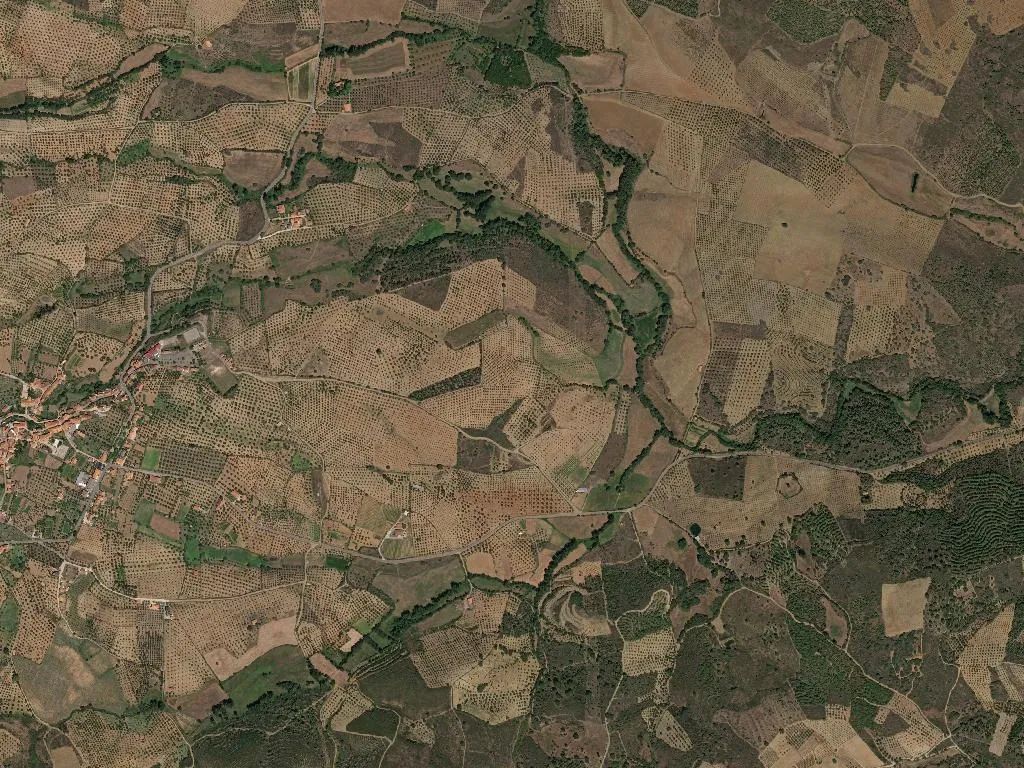
Perched 486 m above the Sabor gorge, the village takes its name from the Latin caecus – blind, shut in. Up on Caramouro, thistle-wrapped walls of a ninth-century watchtower share the ridge with a Roman castro. Below them, the baroque Wayside Chapel of Nossa Senhora de Balsamão unfolds its seven vaulted chambers, each painted with a Stations-of-the-Cross drama. From the terrace the valley unfurls like a green tapestry stitched with almond and chestnut.
Smokehouse larder
Kitchen beams are dressed with IGP Salpicão de Vinhais and blood-red chouriça; wood-smoke drifts through open doorways. In winter, posta mirandesa – thick sirloin from long-horned Mirandesa cattle – is braised with Terra Fria DOP chestnuts, while kid roasts in the communal oven. Drink is local Bastardo, a temperamental red rescued from near-extinction, poured beside wedges of tangy Terrincho ewe’s-milk cheese.
Calendar of embers
- 29 June (±): São Pedro’s eve – bonfires on the threshing floor
- Easter Monday: procession to Caramouro, reviving a 1758 charity of gifting livestock to the poor
- 7 December: Santo Ambrósio, where cake auctions fund the church roof
- 5–6 January: the Kings go door-to-door, singing Janeiras for a glass of aguardiente
Water and stone trails
Five kilometres of lakeside boardwalk circle the Azibo reservoir to the bird-watching hide at Fraga da Pegada. The Chestnut Route climbs through ancient soutos to a restored water-mill, then drops to a Romanesque bridge over the Chacim stream.
227 souls, 101 of them older than the Carnation Revolution.