Full article about Lamalonga: fog, slate & DOP chestnut nights
Lamalonga, Macedo de Cavaleiros: stone hamlet wrapped in winter fog, Baroque candlelight, DOP chestnut smoke and transhumant calm.
Hide article Read full article
The River Lamalonga slips over slate like a whispered secret, carrying with it the scent of wet stone and resinous chestnut. At 448 m above the Atlantic, the air is thick enough to taste: winter fog rolls down from the Serra da Cabreira and lingers until June, when the village turns its face towards the feast of São Pedro and the first charcoal smoke of summer drifts across the square.
A name dissolved in water
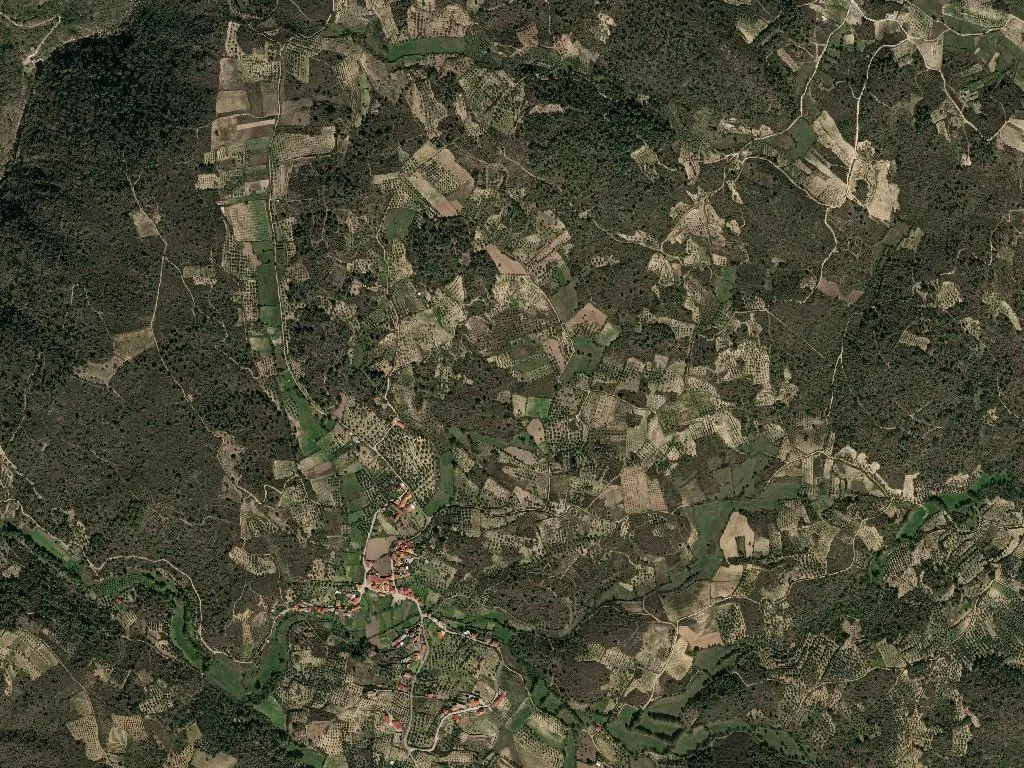
Lamalonga—recorded in 13th-century royal surveys as “lamalunga”, the long watering place—takes its identity from the same thin ribbon of water that once drove communal mills and still irrigates vegetable plots behind low granite walls. Roman roof tiles have been turned up in the fields, but there is no triumphant arch, no castellated keeps; only the obstinate continuity of 339 souls spread across 1,697 hectares of gorse, heather and chestnut orchard. Administratively the parish has been passed between Bragança, Mirandela and, since 1862, Macedo de Cavaleiros, yet its rhythm remains agrarian, set by the transhumant calendar rather than municipal decree.
Baroque by candlelight
The parish church, Nossa Senhora dos Reis, rises from a cobbled plateau in the centre of the village. Outside, the granite is unadorned; inside, gilded carving catches the low light of votive candles, and 18th-century saints stare down with polychrome detachment. Two dates matter here: 7 December, the feast of St Ambrose, when the first chestnuts are roasted and the new olive oil is blessed; and 29 June, São Pedro, a municipal holiday. On both nights the procession moves at a liturgical pace, brass band in front, slippers scuffing the uneven calçada, before tables are unfolded beneath strings of bulbs and the smell of grilled lamb drifts up towards the bell tower.
Smoke, cheese and the DOP chestnut
Lamalonga does not invent dishes; it endorses them. The communal souto supplies Castanha da Terra Fria DOP, gathered after the first frosts split their spiny shells. In hearths blackened by decades of smoke, lamb is lowered into wood-fired ovens, fat dripping onto embers; feijoada is started on Tuesday so the garlic and bay have settled by Saturday. On the table: potatoes that carry the taste of the red granite soil, kid goat that yields to the fork, Terrincho butter-cheese and a goat’s-milk queijo whose rind smells of thyme and barn. Chouriça de carne snaps audibly; linguiça stains fingers with paprika; ham is sliced so thin you can read the sky through it. Dessert is a sponge heavy with egg yolk, recipe smuggled out of some long-suppressed convent and adopted as local scripture.
Reservoirs and schist trails
Five kilometres north, the Azibo reservoir offers kayak hire and lifeguarded beaches, but the river itself is the quieter guide. Cyclists follow the unpaved service road as it threads between smallholdings and chestnut terraces, listening for the kingfisher that patrols the reeds. Lamalonga sits inside the Terras de Cavaleiros Geopark: ancient mica-schists ripple like frozen seas, and every footpath is a lesson in tectonic patience. Evening brings a soft electronic click as house lights trigger their sensors one by one; then the church bell counts the hour, a dog barks once, and the river resumes its monologue—always the same water, always different.