Full article about Caretos of Podence: masks, bells & blazing Entrudo
Podence & Santa Combinha host wild Careto Carnaval, lakeside Azibo trails and slow-roasted kid goat in Trás-os-Montes.
Hide article Read full article
The tin mask still catches light when the sky is slate
Stand in Podence on a wind-lashed Sunday in February and you’ll hear them before you see them: brass bells clanking like loose change in a tumble-dryer, a sound that drifts down from the Serra da Nogueira and ricochets off schist walls. Close your eyes in the Largo do Cruzeiro and the Caretos arrive in memory first—rainbow wool fringes whipping, leather masks with pointy zinc noses glinting, the whole hillside suddenly a riot of adolescent dare: “So, aren’t you going to run?”
Lessons learnt before we could read
Carnaval here is not ticketed. On Quinquagesima Sunday the neighbour combs her grandson’s hair so he can be a proper facanito—little ruffian—and whispers the rules: “See that auntie? You whistle at her legs, but no touching. That’s the game.” Between Sunday and Shrove Tuesday the village becomes an unrehearsed street play. Matrafonas are the lads who’ve had one too many and decide Mum’s skirt fits fine. At dusk they burn Entrudo, a scarecrow stuffed with last year’s sins. In the Museu do Careto the dented tin masks look wrinkled, almost human. They were never meant to be beautiful—only to survive.
Where summer dodged the draft
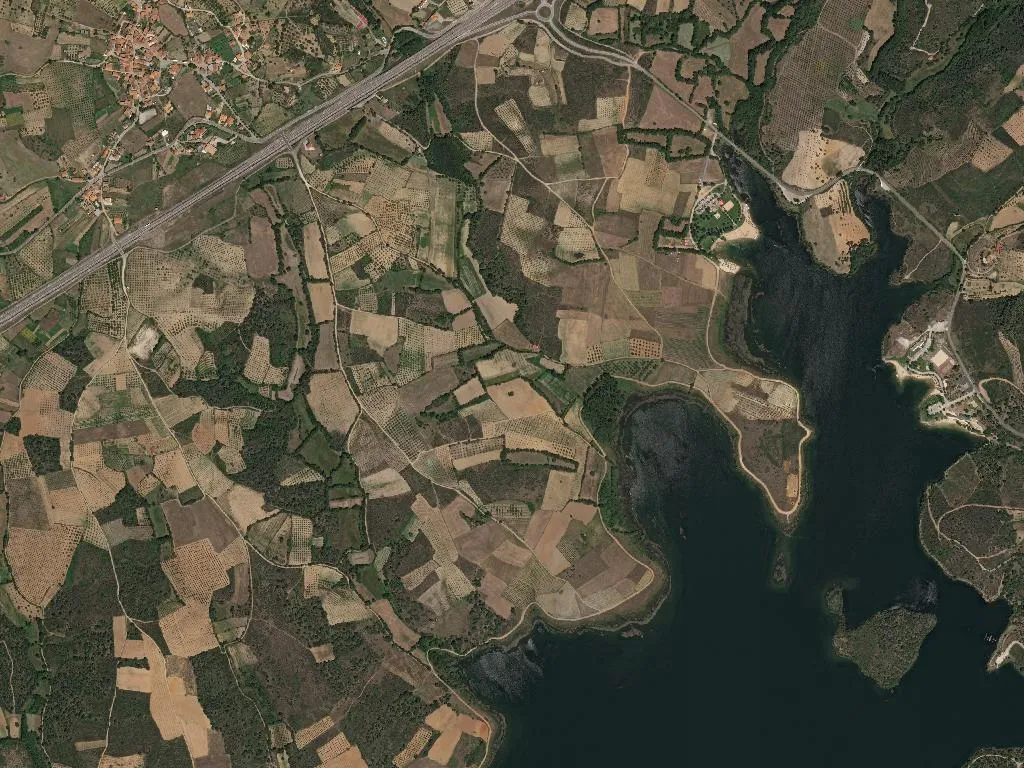
Ten minutes away, the Azibo reservoir is what the army couldn’t requisition: cold water even in August. Built in 1982 over former maize fields, it now has two Blue Flag beaches—clean enough to swim without risking a spectacular stomach upset. The water is brisk, but you’ll stay in longer than you planned. On the Santa Combinha side, trails are so quiet your own footfall feels like bad manners. Pack biscuits: blackbirds hop onto the picnic table as if they’ve come for olives and a beer.
Food you don’t apologise for
Kid goat spends half a day on the spit; no one checks the clock. Red wine is cracked open at three o’clock and left breathing on the sideboard. The feijoada is thick as bar gossip—streaked with Vinhais salpicão the colour of sea foam, and the beef chouriça leaves a glossy trail that even the bread wants to sign. Terrincho DOP cheese squeaks between the teeth like fine sand: that’s how you know it’s right. Arrive hungry and plan to fade with the candles; anyone who turns up smug and “light” will be ravenous again at 2 a.m.—the body reminding itself it was fed something real.
The ones who stayed to tell it
Population: 258—everyone fits in the mother-church with room for cousins. But on Caretos Sunday the numbers multiply: daughters back from Porto, grandsons down from Bragança Polytechnic, the cousin who wires lifts in Zürich and has brought half his office to see “what happens in the middle of nowhere.” From the Capela do Campo viewpoint the village looks like a schist tray sliding toward the reservoir. The bell rings and the sound coasts downhill like an empty taxi—picking up anyone who wants to come back.