Full article about Sezulfe’s granite hush smells of goat and slow smoke
At 668 m in remote Trás-os-Montes, wolves survive only in cafés, goat roasts nine hours in a wood-ov
Hide article Read full article
Woodsmoke and silence
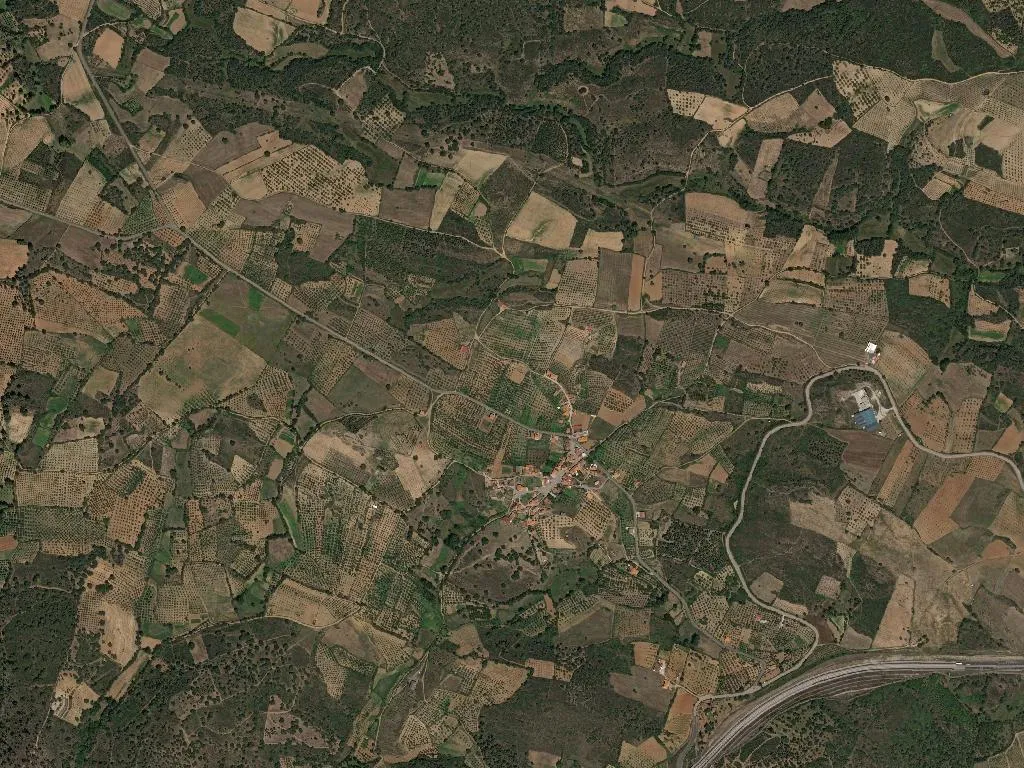
The chimney plume rises dead-straight, as if it remembers every rafter. At 668 m on the northeastern rim of Portugal, Sezulfe’s silence is so complete that even the wind clears its throat before entering. Mist pools in the Ribeira de Bornes valley like a stubborn old dog refusing to budge until sunrise orders it off.
The wolf that stayed in the name
Sezulfe is said to derive from “Casa do Lobo”. Wolves themselves quit these granite outcrops long ago, surviving only in Uncle Américo’s café monologues after his third glass of bagaço brandy. When King Sancho I granted the settlement to Fernando Fernandes in 1196, the beasts still loped between Bornes and Nogueira. Today the parish roll numbers 271: 125 of them pensioners, 17 still at primary school. Do the arithmetic.
What lunch smells like
Dona Alda’s kid goat is shoved into the bread-oven at seven in the morning and released nine hours later, mahogany-skinned. Meanwhile, smoke does its shift: salpicão sausages, Vinhais chouriço, linguinhas so fragrant they seem full of holes. On 29 June, São Pedro’s eve, trestles appear outside and the concertina plays until the sun threatens the Serra de Bornes again. Migas breadcrumbs are fried in pork fat; bean stew tastes less of beans than of smoked paprika. A thimble of bagaço clears the way for walnut cake.
The walk to the lake
A way-marked trail drops six kilometres to the Azibo reservoir, shorter downhill, endless on the return. En route, cattle graze among thyme and gorse, and from Cabeço do Facho the plateau spreads like a slate carpet. Pack water, pack a chouriço sandwich, and don’t claim nobody warned you.
Saint Ambrose in December
On 7 December the village honours its patron with an open-air Mass. Women balance trays of votive bread; men pocket their hands and debate whether the winter will out-rain last year’s. The cold slices ears, but someone always ladles hot wine from a dented aluminium vat. When the lights go off, only footfalls on granite and chimney smoke—just as stubborn as the dawn mist—remain to prove the place is still here.