Full article about Vilarinho de Agrochão: fog, olives & a 216-soul heartbeat
Vilarinho de Agrochão, Macedo de Cavaleiros: hear the church bell, taste chestnut-smoke olive oil, count only three souls in the tavern.
Hide article Read full article
Stone, Olive Oil and Winter Fog
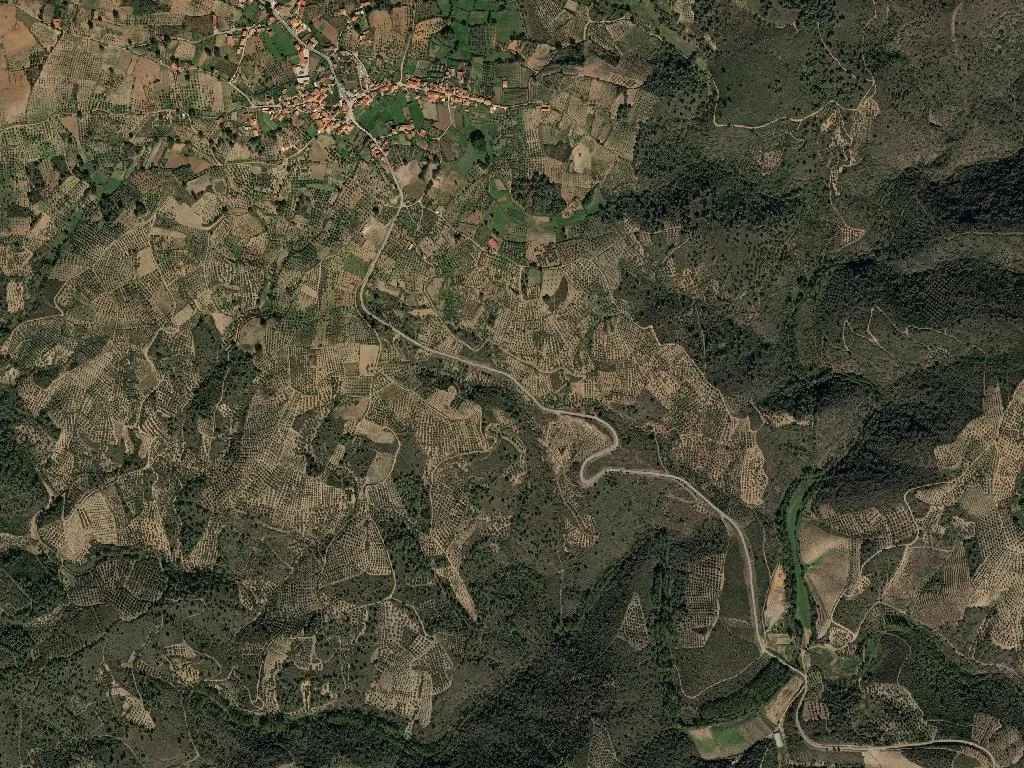
Morning smells of damp soil and the last embers of a brushwood fire as I drop into Vilarinho de Agrochão. Mist bands the valley like surgical gauze; somewhere among the olives a parakeet screeches—an escapee from the Azibo reservoir that has learnt to survive 500 m above sea level. The parish register lists 216 souls, yet only three are visible when I push open the tavern door: Sr António counting escudos for his bica, Dona Rosa wiping the counter, and a dog called Lobo worrying a still-warm bone of black pig. All were born within earshot of the church bell; all know that winter here starts when the heather turns mauve and finishes the day the almond loses its last petal.
Houses that Cling
The settlement crawls downhill like a lizard that has grabbed the hillside to keep from sliding into the Serra de Bornes. Schist walls are stitched together without mortar; the granite thresholds—so local legend claims—were salvaged from an English cargo boat that went down on the Tua in 1909. School shut decades ago, yet children still get dragged to the cistern wall to run their fingers over fossilised scallops and be told, “The sea was right here.” Two buildings enjoy official protection: the thirteenth-century chapel of St Ambrose, font of four generations, and the domed bread-oven that wakes only on 11 November when the priest blesses watered-down wine and the air tastes of chestnut smoke.
November 20, Sharp at Seven
Olive oil is a calendar, not a product. On the morning of 20 November the Lagar Muralhas opens its wooden doors before the millstones can steal the fruit’s coolness. Families arrive with Hessian sacks of Madural and Cobrançosa; they leave with five-litre demijohns sealed by strip of masking tape and someone’s biro. Oak logs dry the chestnuts first, but only after the fire’s mouth has been “tamed” with a splash of bagaço, as Dona Ildefonsa says. Zé Mário’s kid goat is slaughtered on Sunday, eaten Monday, never sees a freezer. Amélia’s chèvre is curdled with cardoon, rolled in coarse salt, wrapped in rice-cloth and finished in the bread-oven until the rind carries the imprint of earth and summer hay. Four hives survived the Asian hornet; the honey smells of the neighbour’s eucalyptus but finishes with the peppery snap of hillside rosemary.
Diary of Feasts
7 December – St Ambrose’ Day. Mass at eleven, then turnip soup thick with streaky bacon and rye bread raised with a sour starter that Dona Odete keeps in a terracotta bowl under the bed. No posters, just the phone ringing at nine. 29 June – St Peter’s Eve. Pyre of stone-pine cones that crack like small-arms fire; last year’s wine still throws a crust, but no one minds. Chairs live in the parish-council barn the other 364 nights; each bears a name hammered in nails so arguments don’t start after the third cup. There is no “boutique accommodation”; there is a spare room at grandmother level: candlewick bedspread, the faint sweetness of mothballs, breakfast toast blackened over a wood-burner, homemade butter if the cow obliged.
Dusk brings a downdraft off the ridge, ferrying chimney smoke through the olive crowns. The scent is green oak, scorched olive branch, earth suddenly soaked from within. Vilarinho does not court visitors; it simply waits to see who lingers after the last drag of a cigarette when the sky rusts over and the silence grows so dense you can hear your own footfalls on the dirt track home.