Full article about Vinhas: Where Grapes Outnumber People
Rooted in schist terraces, Vinhas keeps its barefoot harvest and fading pulse alive.
Hide article Read full article
What drifts
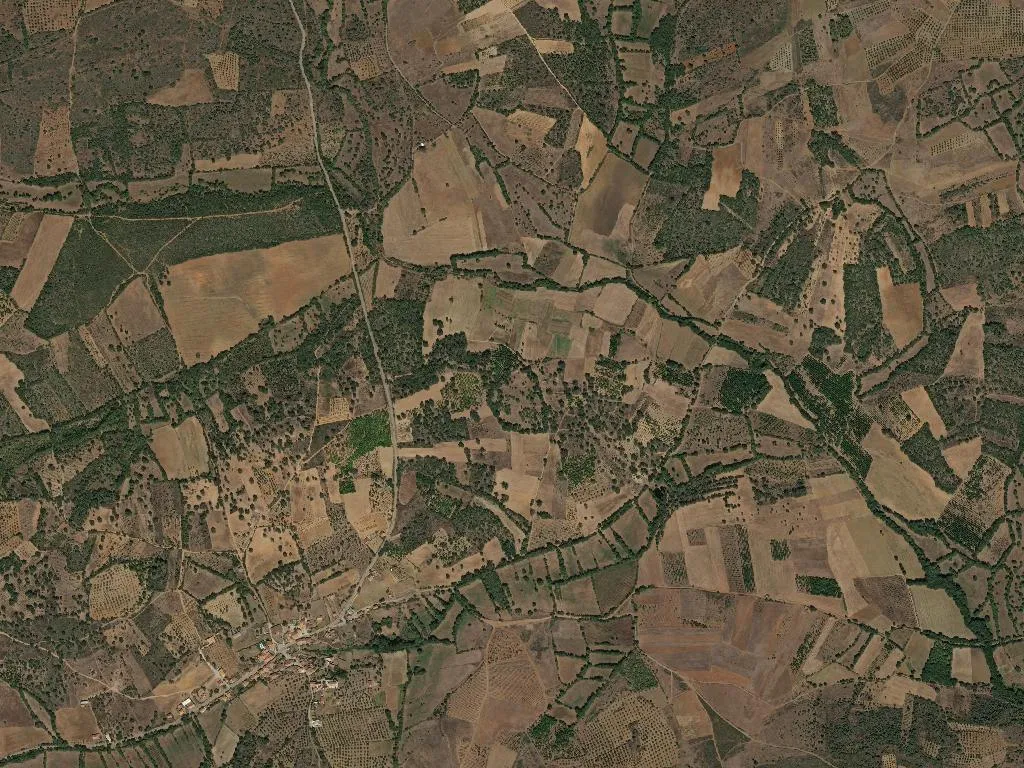
Woodsmoke lurches from the slate chimney, bullied by the Trás-os-Montes north wind. Below, the Azibo valley stitches vine terraces into the slope with dry-stone seams that sag and bulge like an old coat. The village name is a statement of fact: Vinhas contains more root than roof. Zé Manel’s stone lagar still receives barefoot grapes, and locals swear the must pressed there tastes of a different soil from Joaquim’s modern adega across the lane.
Harvest is not folklore here; it is simply September. At seven sharp, Maria da Bica’s voice ricochets through the lanes summoning grandchildren. Arménio mutters that the fruit is almost too sweet this year. The wine made will last the twelvemonth, appearing in Julio’s café under chipped wooden lids and in plastic bottles carried south to Lisbon by children who now work abroad.
What is felt
The Geopark trail skirts my gate, but no one walks slowly. Germans march uphill, pausing to photograph the schist. I climbed that gradient every dawn for the cows – there are no cows now. The Serra de Bornes stays constant; the reservoir changes colour: May green, January pewter, September gold when the sun drops behind the Nogueira ridge.
August festas are what they are. The dance rectangle starts at eleven, though spectators assemble from nine, eyes darting for partners. Last year the sports-club wood oven split mid-roast; we hauled pans to D. Alda’s kitchen because she still keeps a range. Smoked sausage from Vinhais is good; Cremilde’s is better. Zé Fernando’s Terrincho cheese bears tiny holes – proof the milk was right.
What remains
Electoral roll: 160. Reality: fifty-odd bodies on any given night. The doctor is meant to come Tuesdays, occasionally doesn’t, and forgets to phone. The school shut a decade ago; its playground is now the day-centre where my father plays sueca and complains the coffee is dishwater.
Yet the oliveiras remain – no one uproots them. Mother still visits the chestnut grove in October, driving halfway and walking the rest. Zé Carqueja’s heather honey sells briskly at regional fairs; outsiders like the faint gorse perfume. When the sun slips behind the seventeenth-century belfry and the street stones exhale the day’s heat, silence widens until you can hear the Azibo sliding over its gravel bar down below.
What lingers: the smell of wet schist at the first drop of rain; the wine my father ferments, sharp on the tongue then suddenly sweet; the centre step of my grandmother’s stair, dished by a lifetime of trips to the well. Things that cannot be explained, only sensed – and only here, where the name of the place is not just a label but an identity.