Full article about Genísio: Where Smoke-Cured Ham Outnumbers Children
Mirandesa cattle graze above the Douro while 152 villagers keep Trinity Sunday fires lit.
Hide article Read full article
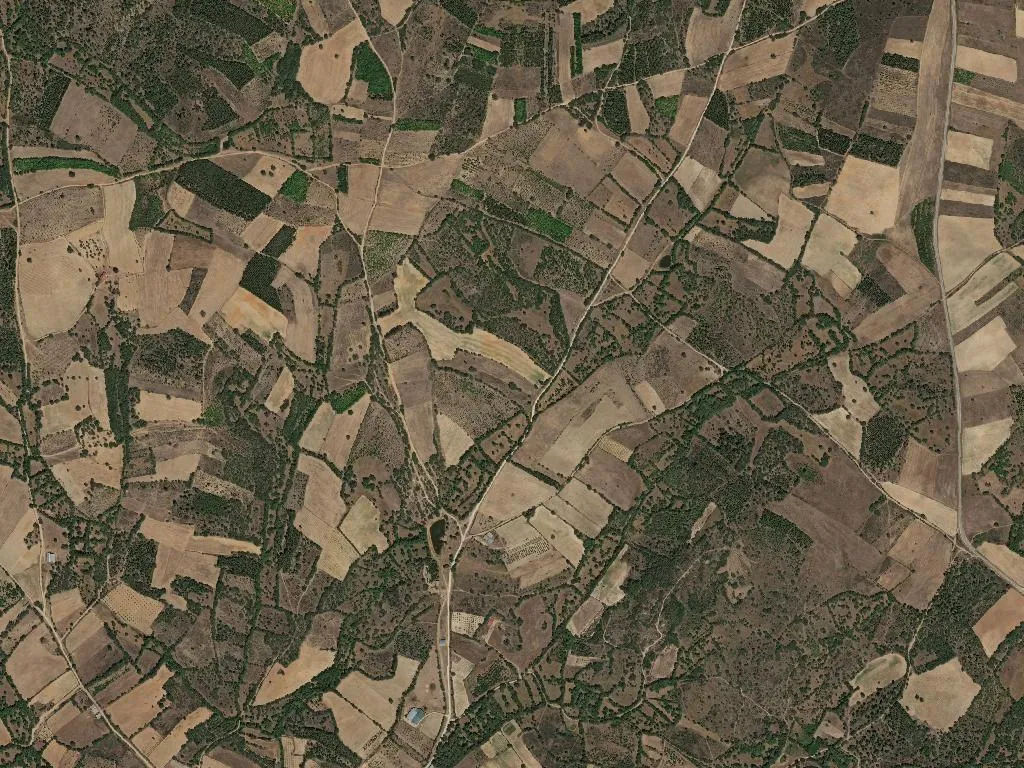
The church bell strikes the hour and the sound ricochets across the valley, rebounding off schist slopes that tumble towards the Douro. At 770 m above sea level, Genísio’s air still smells of oak logs in mid-May – morning chill lingers long enough to warrant a jacket. One-hundred-and-fifty-two people share just under 3,000 hectares of Trás-os-Montes plateau; granite outcrops poke through bogs, and the soil keeps the memory of those who learned to live lean. Population density: five souls per square kilometre, 85 of them over 65, only six under ten. The statistics confess the drift; they don’t capture the stubbornness of those who stay.
Meat, smoke and the taste of staying
Food here is not ornamental; it is ledger, identity, argument. Mirandesa beef – PDO-protected – grazes these uplands year-round on natural pasture and local grain. Mirandese lamb carries the same legal armour, while Vinhais ham hangs in chestnut-smoke curing sheds where calendars are measured in months, not minutes. Soot-darkened beams support haunches that accrue flavour from dry plateau air and patience you can’t hurry.
Three feast days, three calendars
The liturgical year still governs. Trinity Sunday, Our Lady of Light and Santa Barbara divide the seasons with processions, sung mass and communal tables loaded with chouriço from winter matanças and rough Upper Douro red. Emigrants fly back from Paris, Geneva, Luxembourg; grandchildren who were born elsewhere hear their parents’ childhood accents. For seventy-two hours the village re-inflates to its 1960s dimensions, then exhales.
The weight of quiet
Outside those dates you hear wind combing the broom, a cow’s lowing ricocheting off schist, the unoiled protest of an iron gate. Locals claim silence has mass, but they also know its variations: the hush before an April thunderstorm is not the stunned stillness of August when heat flattens even sparrows. Walking the lanes teaches you to read those gradations the way you read a lover’s face. At dusk the sun ignites the granite, stretching shadows across loose-stone walls; chimney smoke rises straight and thick – a semaphore that someone is home, a fire lit, a door unlatched. Small gestures, yet here they spell the opposite of departure.