Full article about Mirandese Tongue & Red-Billed Choughs of Ifanes e Paradela
Granite hamlets linked by rye seas, secret wolfram tunnels and a language that won’t die
Hide article Read full article
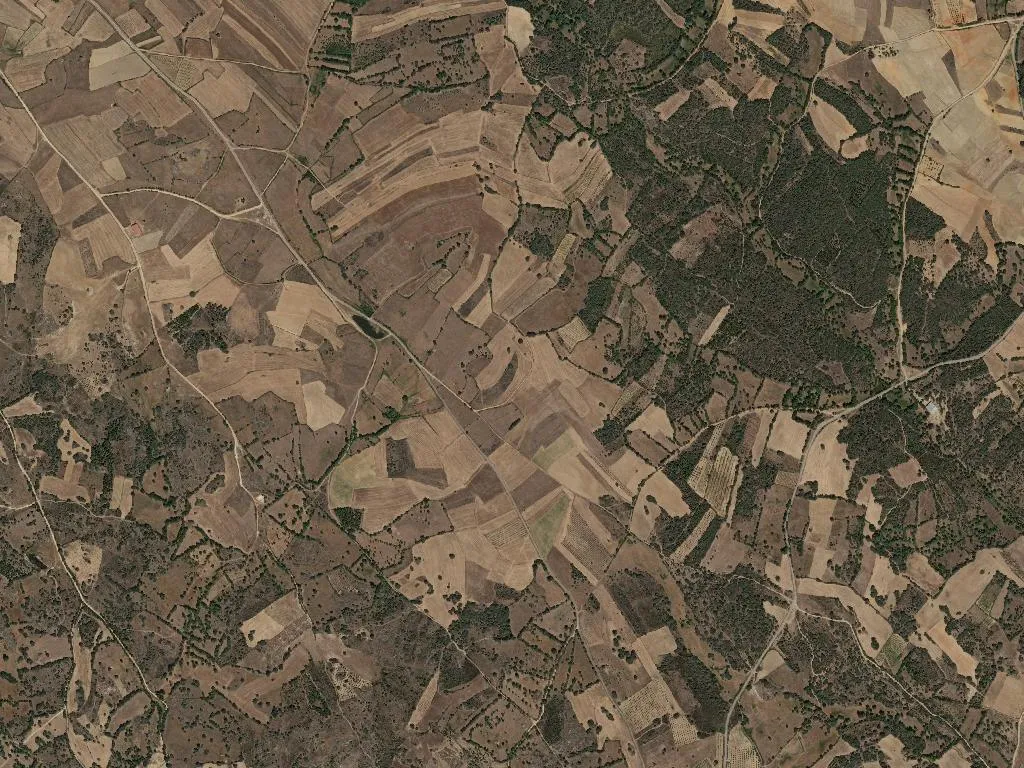
The call of the red-billed chough sounds like someone dragging a garden chair across flagstones. At 774 m that metallic rasp is the loudest thing moving, louder even than the wind that combs the rye fields stretched between Ifanes and Paradela like an ill-fitting carpet. The two villages were stitched together by a 2013 administrative decree — more shotgun wedding than romance — yet they still keep a courteous distance: 233 people scattered across 4,500 hectares, neighbour often a nine-iron away, silence broken only by the parish bell or a Miranda cow that has ambled through the wrong gate.
Stone, faith and man-made holes
The granite church of Ifanes squats square in the middle of the settlement, the same grey as the houses. Two kilometres east, Paradela’s Capela da Trindade is smaller but noisier: every August it fills with returnees from France who have kept their festa shirt wrapped in tissue since Christmas. You will search in vain for castles; the architecture here is dry-stone schizoid walls slotted together without mortar, more Sudoku than masonry. Beneath the fields, though, are hand-cut tunnels where miners once chased wolfram for Allied shells. The Bravio, Malhadais and Pissarros mines opened in 1916, closed when the price collapsed, and are now bramble-choked hollows children are forbidden to enter — and therefore do.
The tongue that refuses to leave
Ifanes signs itself “Anfainç” in Mirandese, the officially recognised language that sounds like Portuguese spoken through a mouthful of chestnuts. You still hear it over a café aguardente while farmers dispute next week’s clouds. Paradela derives from “pará” (beside) and “dela” (plot): good land to plant, bad land to sell. With only nine pupils in the primary school and 123 residents over 65, the parish is ageing like an unopened bottle, yet the language clings on — printed on road signs, sung at the feast of Nossa Senhora da Luz where even the priest trips over his Latin.
A plate that tells no lies
There are two tascos: one in each village. Order bife de Carne Mirandesa and the steak hits the grill so crimson it looks alive, accompanied by roast potatoes and grelos sautéed with garlic — no sauce permitted to mask the flavour. Lamb is slid into a wood oven with rosemary and a thread of the owner’s own olive oil. Pudding is castagne cake and a fist-sized slice of doce de ovos; complain it is too sweet and you will be given a second piece to confirm. Wash it down with medronho firewater that glows like a neglected cigarette, or Planalto red that tastes of the soil the wind forgot to steal.
The world’s edge, with balcony seating
The road to the Douro corkscrews across the plateau like badly stuck tape, then sheers open above the canyon. Far below, the river slithers between boulders as if fleeing a crime scene overhead. Imperial eagles trace perfect circles — the only traffic that never queues. Way-marked trails are few but enough: park by Ifanes, walk to the Penedo dos Abutres lookout where silence is so complete you can hear your own pulse. Pack water and a waterproof; mobile reception behaves like luck — intermittent and rarely on your side.
When the sun drops, the schist walls rust and river-mist creeps uphill like a cat coming home. What lingers is the scent of warm earth, the lost tinkle of a sheep bell, and the certainty that, sooner or later, you will drive back up that ribbon road to listen for the chough again.