Full article about Malhadas: Where the Bell Tolls Through Woodsmoke
Granite lanes, rye-swaying plateau and a café that opens only when José craves company.
Hide article Read full article
A bell that measures time in grazing smoke
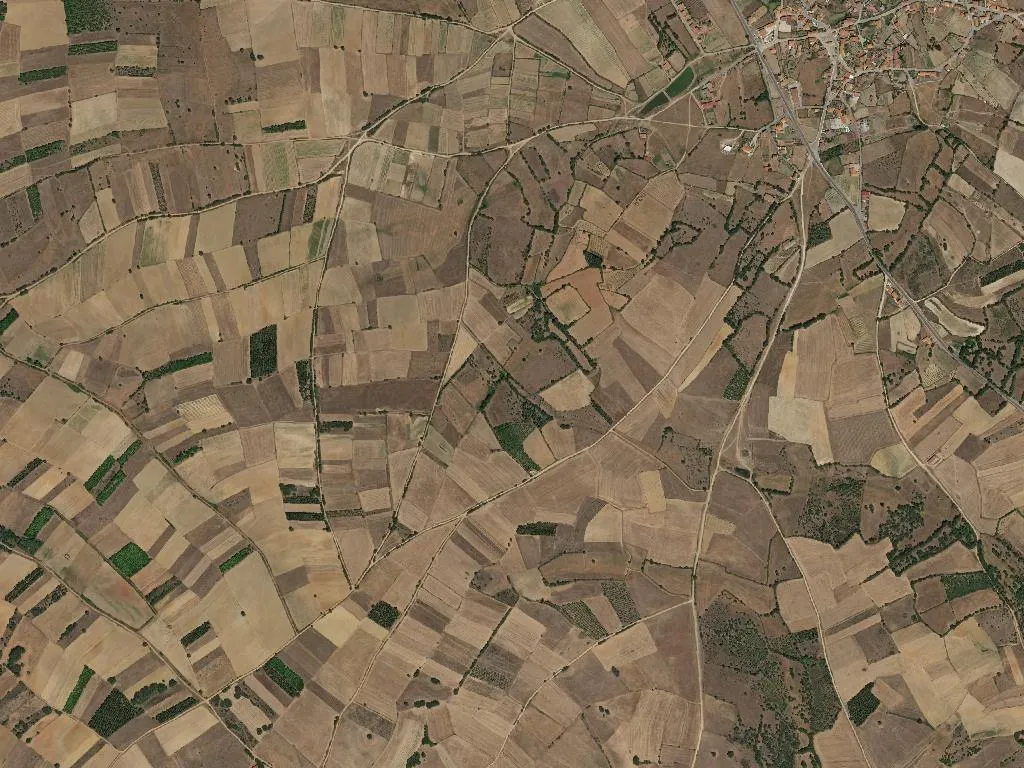
The bell in Malhadas tolls as though rousing an afternoon that has dozed off too soon — no urgency, only habit. One muted clang and the village of 275 souls files the moment away. At 788 m on the north-eastern rim of Portugal, the Atlantic is closer than Lisbon; the air smells of singed pasture even in mid-August. A spider’s web of lanes tumbles to the spring, climbs to the chapel, then unravels in the square where José unlocks the café only when he feels like company.
Church versus chapel: two sides of the same coin
The parish church is eighteenth-century, but arrive ten minutes before Sunday mass and you’ll find granite still holding the day’s heat and candle-smoke that drags childhood catechism classes back to life. Gilded altarpieces flare briefly whenever the sacristan remembers to dust; the rest of the year they surrender to cobwebs that weave their own footnotes to scripture. Uphill, the whitewashed hermitage of Santa Bárbara watches rye roll like breath across the plateau. Both buildings are “classified” — the Portuguese equivalent of listed — yet, as the priest shrugs, classification doesn’t settle the electricity bill.
When the village agrees to become a town
December brings “Aldeia Presépio”, a DIY nativity: every doorway sprouts moss, a clay figurine, a cat asleep on the stable roof. The Christmas market occupies the parish hall; bring coins because the card reader sulks in the cold. Try the sopa do pendão — swede, stale bread and streaky bacon that adds two kilos before you stand up. Come late spring and August the village brass band uncorks a year of rehearsals and marches at 3 p.m. under a sun that softens trumpet valves. Men in homespun waistcoats stamp the dust to the beat of the paulitos; women in embroidered skirts dodge Hermann’s tortoises crossing the asphalt. Someone produces chilled white wine that the co-op stored underground since the harvest; boots are knocked clean; conversation stretches.
What you eat (and what leaves in foil)
Mirandesa DOP beef hits the grill after three fingers of aguardiente and the same three inches of conversation: rock salt, gorse-smoke, a timing guess that decides whether the juices run red or not. Kid goat roasts in the community oven; bring a napkin — fatty ribs escape polite society. In sitting-room fireplaces, sausages hang like weekend laundry: alheira, biá chouriço, salpicão. Buy them by the string; they travel happily in boot space. For pudding, Dona Amélia’s walnut cake appears the day before mass; I invented a god-daughter’s birthday to secure a second slice.
Down to the Douro, or how to misplace your shoes
Five kilometres of compressed earth bring you to the cliff edge where the river slices schist as cleanly as a melon rind. Mirandesa cattle study trespassers with the disdain of passport officers. The Fraga do Puio viewpoint is simply a boulder larger than its neighbours, yet from it you watch the Douro curl below, black water carrying griffon vultures on its thermals. Carry water — the Calçada spring is usually dry when thirst strikes. At dusk a wolf sometimes rehearses a distant solo; the mastiffs can’t be bothered — they’ve grown used to visitors asking if the sound is a siren.
When the sun drops behind the chestnut grove, rye heads glow like struck matches and warm earth climbs your laces. Malhadas shrinks in the rear-view mirror; the road corkscrews downward and the bell stays quiet — a sign that someone still locks up at night. Tomorrow the same wind will comb the same rye, the same silence will settle. If you need company, tap on the café window. José may say he’s closed, but he’ll pull the espresso lever anyway.