Full article about Palaçoulo: Where Portugal Ends and Silence Begins
At 722 m, this Mirandese village echoes with church bells, Trappist hush and Carne Mirandesa
Hide article Read full article
The bell that marks 722 metres
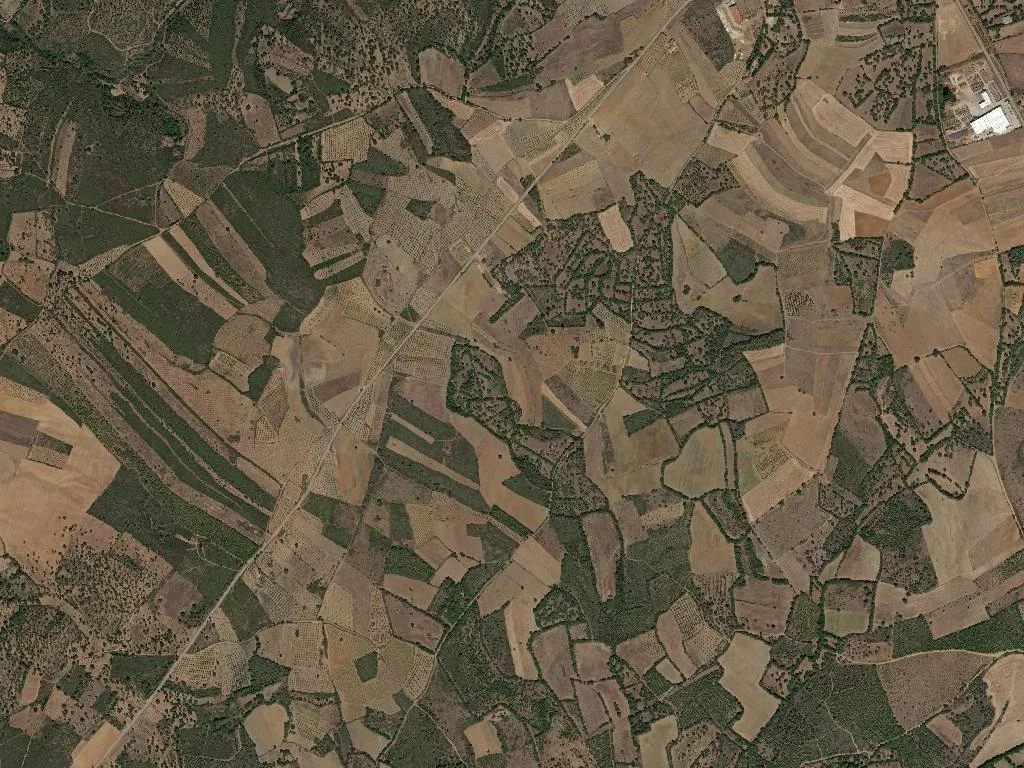
The parish church strikes twelve. The note ricochets down lanes of schist and granite that funnel towards the tower. At 722 m above the Atlantic, the air in Palaçoulo is already laced with woodsmoke, even in May. From the village edge the view rolls out in cork-oak waves, pine tops adding a darker green seam. You are as far north-east as Portugal allows; the Spanish ridge of the Sierra de la Culebra is a day’s walk. Border country, but the frontier is linguistic as much as geographic.
Why they answer to “Caramonicos”
Locals carry the tag “Caramonicos” without knowing its source. The nickname clings the way Mirandese – officially recognised since 1999 – still clings to café counters and festival verses. Palaçoulo first enters parchment in 1172, courtesy of Afonso Henriques’ royal charter. The toponym is a diminutive of the Latin Palatiolum: “little palace”. Palaces never materialised; the name did.
Where Trappists chose silence
Since 2024 the plateau has belonged to the Cistercians. Their monastery – concrete, timber, absolute hush – rose between 2016 and 2023 precisely because the map showed nothing: no main road, no white-noise town. Guests can retreat, not speak, buy the brothers’ almond-honey cake. Around it, older chapels keep vigil: São Sebastião, Nossa Senhora do Carrasco, the roofless Romanesque of Macieira.
Stone, pasture, memory
A short climb above the last house, the Iron-Age rampart of Penhal Castro overlays prehistoric engravings of aurochs and halberds. Below, the Douro Internacional gorge begins its slash southward. In the Espineiro picnic woods, weekenders grill alheira sausages on brick hearths and debate which trail gives the fiercest vulture-eye view.
At the Caramonicos table
Order arrives on heavy white plates: Carne Mirandesa DOP from long-horned oxen, simmered with garlic and sweet paprika; IGP-smoked ham from Vinhais, sliced translucent; corn bread with a crust that snaps. Finish with a thimble of house medronho – offered, never billed.
Exodus, return, echo
Population 566; 186 are over 65, only 35 under 14. Electricity arrived in the 1960s yet couldn’t halt the drift. The new Vale das Latas sports complex keeps a pool filled and a motor-home park level, betting on slow travellers who linger after the bell has faded between stone and moss.