Full article about Silva e Águas Vivas: Slate, Smoke & Springwater
Granite crosses, never-dry springs and oak-smoked hams at 716 m on Portugal’s north-eastern rim
Hide article Read full article
The stillness here has body. It is the wind that skids off the meseta and slaps the slate roofs, the indignant bray of a donkey grazing beneath the chestnuts, the groan of the tavern door when António shuffles in for another draught beer. At 716 m the air is thin; the schist crackles beneath your boots as though it were breathing. Broom in flower smells of peppery honey, and if you open your mouth the wind coats your tongue with dust and myrtle.
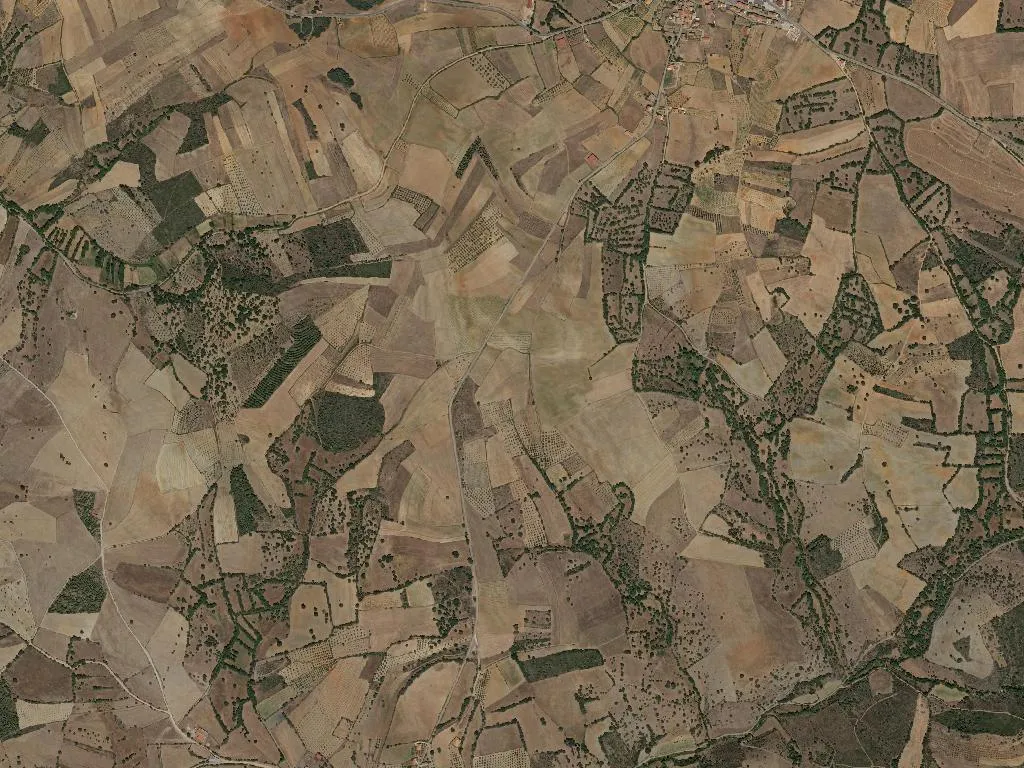
Silva and Águas Vivas are two hamlets that still wave to one another across the valley. In Silva the paths converge on Largo do Cruzeiro where a granite cross, dated 1742, serves as noticeboard, bench and confessional. In Águas Vivas the village spring has never once run dry – even during the 2017 fires that scorched the plateau it kept bubbling, cool and indifferent. Paperwork fused the parishes in 2013; reality left two distinct voices echoing down the same ravine.
What you eat (and when)
When the air smells of burning oak, it is matança day. The pig belongs to Pedro, but the entire hamlet clocks in: Adelino supplies the trestle table, Natércia folds yesterday’s bread into blood to make morcela, Miguel hauls water from the fountain before it ices. Hams travel to the smoke-loft above the hearth, emerging months later the colour of mahogany. In April, when the lambs are weaned, it is lechazo in the wood oven: skin blistered, fat basting corn-bread baked by Granny Amélia every Wednesday. The red comes from Tonho’s Bastardo vines – merciless sun, miserly water – and is drunk from straight-sided glasses, not globe goblets reserved for tourists.
What you do (when you do nothing)
The International Douro Natural Park begins where the last cottage ends. The Angueira river trail follows the dry bed to pools where small-mouthed barbel still hide. In May the males blaze scarlet, as though they have swallowed fire. Higher up, cork oaks corkscrew away from the wind; in their crowns blackbirds weave hanging nests that rock even when the branches are bare. On clear days Miranda do Douro’s mediaeval tower floats on the horizon like a snapped toothpick.
The three fiestas that still matter
- Trindade (second Sunday in June): Mass begins at 11, but the scent of roast kid drifts in from seven. After the procession the brass band strikes up the Trindade hymn everyone pretends to remember.
- Luz (15 August): emigrants materialise who had forgotten they owned relatives here. The afternoon features a fishing contest in Quinta do Ribeiro’s tank – prize: a bottle of bagaceira brandy and a basket of peppers.
- Bárbara (first Wednesday in October): the smallest of the trio, but the one with the sweetest Santa-shaped pastries. Chestnuts roast in the square; if it rains the party relocates to the chancel, cemetery cat included.
At dusk the sun slips behind the 1 026 m marker and the schist glows iron-red. Three bells toll from Silva’s church – not for prayer, but to remind Maria that the chickens need feeding. Wood smoke rises straight into a cooling sky. The smell clings to clothes, hair, memory: damp logs, soil scorching in José’s calloused palms, the sour trace of wine in an empty glass. It is the scent of a place that refuses to surrender, gripping the granite like the ferns colonising the abandoned school wall.