Full article about Vila Chã de Braciosa: Stone, Smoke & Canyon Silence
Mirandesa steak sizzles between Iron-Age walls and 700-m Douro cliffs in this granite village.
Hide article Read full article
Stone that Still Holds the Sun
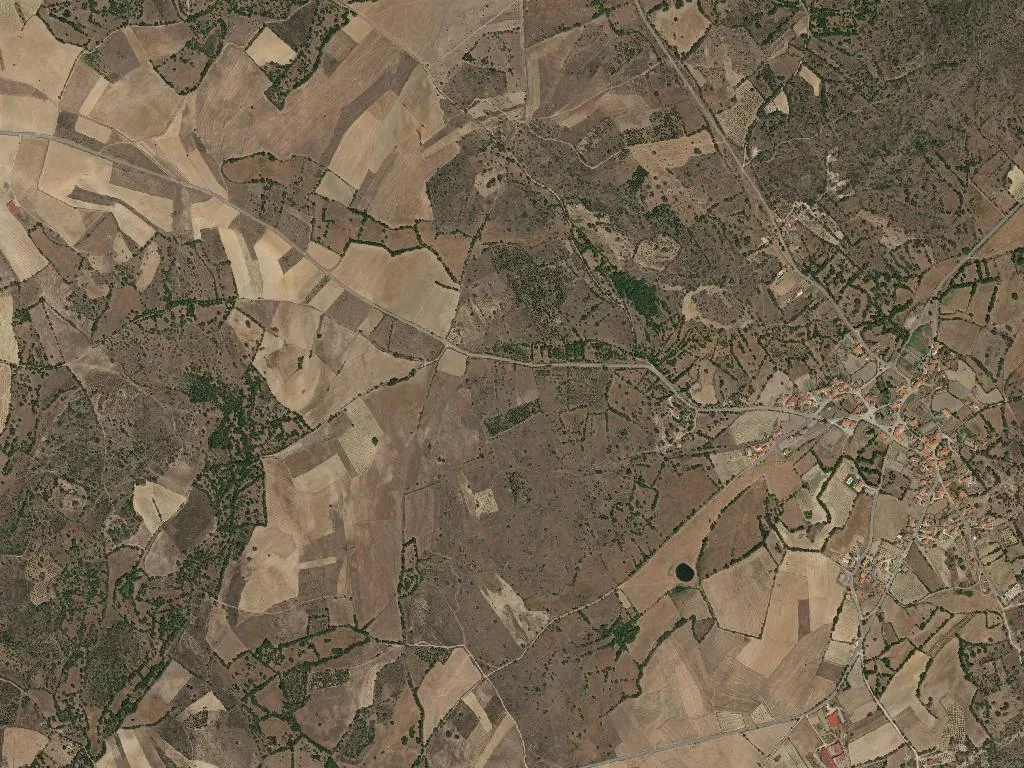
A blade of wind slips up the Douro gorge and slices the midsummer heat. At 713 m, Vila Chã de Braciosa exhales with the cliffs – silence broken only by a Bonelli’s eagle scoring the empty sky. The name means “flat settlement”, and the handful of streets do level out between gorse and granite outcrop, yet the ground falls away into a canyon that hides the river and, beyond it, Spain. Around the village, lumps of worked schist mingle with loose stone: Iron-Age walls later patched by Romans whose own fort on Monte da Trindade is now a thicket of cork oak and heather.
Houses Built Like Ovens
Locals call them curraladas – “slate houses” – two skins of granite with livestock, firewood and people sandwiched between. The trick is the waist-high slate oven: it warms the kitchen, cures tobacco, dries mushrooms and, on cold April nights, doubles as a radiator. Visitors raised on under-floor heating are startled to find 60-cm walls that release the day’s warmth long after city cork panels have surrendered. One front room serves as an honesty shop where José-Manel sells oak-smoked hams to Spanish anglers who swear they have never tasted better.
Beef that Walks the Parish
Mirandesa cattle cover up to 15 km a day between commons and water meadows; the exercise prints itself on the meat. A posta mirandesa – a bone-in rib steak two fingers thick – needs nothing more than oak embers and a vigilant eye for the moment the fat starts to hiss. At village romarias, butterflied Mirandese lamb meets the same grill, while breadcrumbs fry in the rendered fat with strips of spare rib. Dona Amélia’s walnut cakes disappear before they reach the table; the honey comes from her son’s hives on the slope of Santa Bárbara where the bees work heather and lavender.
Where the River Disappears
The Sunday stroll is the Pé-do-Monte trail: 45 minutes along a walled lane to a lip of rock that hangs over the Douro. Below, griffon vultures circle, waiting for João the fisherman to finish filleting barbel; they know the exact moment innards will arc through the air. On the way down you brush against nebro, a gummy shrub that smells of pine resin when bruised – the new gin botanical of London bars, though nobody here can be bothered to pick it.
259 people are on the electoral roll, yet the tavern still sets out 40 glasses for the evening crowd. When conversation pauses you can hear Crispim’s kitchen clock 200 m away. Dusk turns the cottages bronze, and time – like the heat trapped in the granite – simply stays.