Full article about Abreiro: Winter Rituals in Portugal’s Forgotten Corner
St Stephen’s Day cowbells, holm-oak smoke and almond snow on the Mirandela ridge.
Hide article Read full article
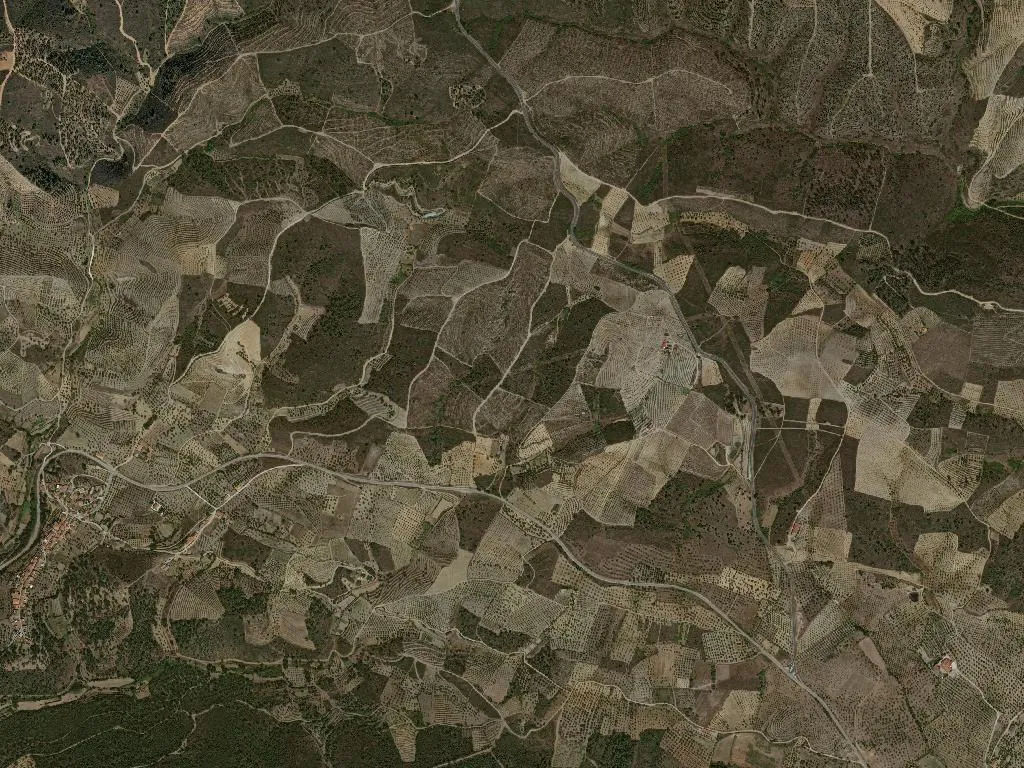
Church bells fracture the January hush of slate and granite. In Abreiro the houses crouch beneath holm oaks and strawberry trees, their chimneys sending up white needles of smoke. Two hundred people – 88 already past retirement age, only ten still in primary school – share 24 square kilometres of sun-scorched high plain. Dry-stone walls girdle each smallholding; olive trunks corkscrew out of rust-red soil; almond blossom flickers across the ridge like early snow.
When the boys take over
On St Stephen’s Day the Festa dos Rapazes drags the village from hibernation. Horse-head masks, iron cowbells that thunder like distant artillery, voices ricocheting off schist alleys – the ritual survives in the muscle memory of men who rehearse it only once a year. Winter is toasted under heavy burel cloaks, sweat mingling with wood-smoke to prove some customs refuse to die.
Between seasons comes “Serrar a Velha”: saw off the old stubble, clear the terraces, ready the ground for seed. It is work for farmers who read the flight of swallows the way London traders read the FTSE.
A Transmontana table without theatre
In the adobe smoke-house, sausages have been tanning since November. Mirandela alheira bursts in the pan, Vinhais salpicão is sliced by pocket-knife, blood chouriça is hoarded for feast days. The olive oil is pressed in Zé Manel’s stone mill – throat-burning, moss-green, drawn from Negrinha do Freixo olives that grandchildren knock down with long canes.
Terrincho DOP cheese, the colour of August sun, is cut thick and laid on rye bread the grandmother still kneads in iron pots. Wild kid that grazed on gorse is roasted with garlic and sweet paprika; the meat slips from the bone and sops up its own gravy. Autumn brings chestnuts from the Padrela: boiled in cast-iron, charred on embers, pounded with hot red wine. Joaquim’s honey – rosemary and rock-rose still clinging to the comb – sticks to the lips like a secret.
The hush that can’t be explained
Beside the chapel of Santo António an eighteenth-century granite cross stands unlabelled, as if guidebooks conceded defeat. Old men occupy the single bench, discussing next week’s olive pick as though it were foreign policy. Pause here and you feel the generations who prayed, married and left through that same stone gateway.
Dusk slips behind the Serra do Marão; shadows pour down the terraces. No wind stirs – only the valley dog barking at the moonrise and Adelina’s gate groaning shut before darkness finishes its sentence.