Full article about Avantos & Romeu: Winter Rituals in Portugal’s Quiet Corner
Experience the Festa do Rapaz, Terrincho DOP cheese and centuries-old charcuterie in Mirandela’s sparsely populated União de Avantos e Romeu.
Hide article Read full article
The metallic rasp of shears on bark arrives before you see the tree. Then come the bass voices, intoning couplets older than any printed map, and the rasping laughter of people who still measure winter in felled logs and remembered lines of verse. At 375 m above the Tua valley, the scattered hamlets of Avantos and Romeu keep time not by the Gregorian calendar but by gestures: pruning, slaughtering, kindling. When Christmas approaches, the rhythm is set by the Serrar da Belha – the ceremonial felling of a great trunk that will burn for days while the entire parish gathers around the blaze.
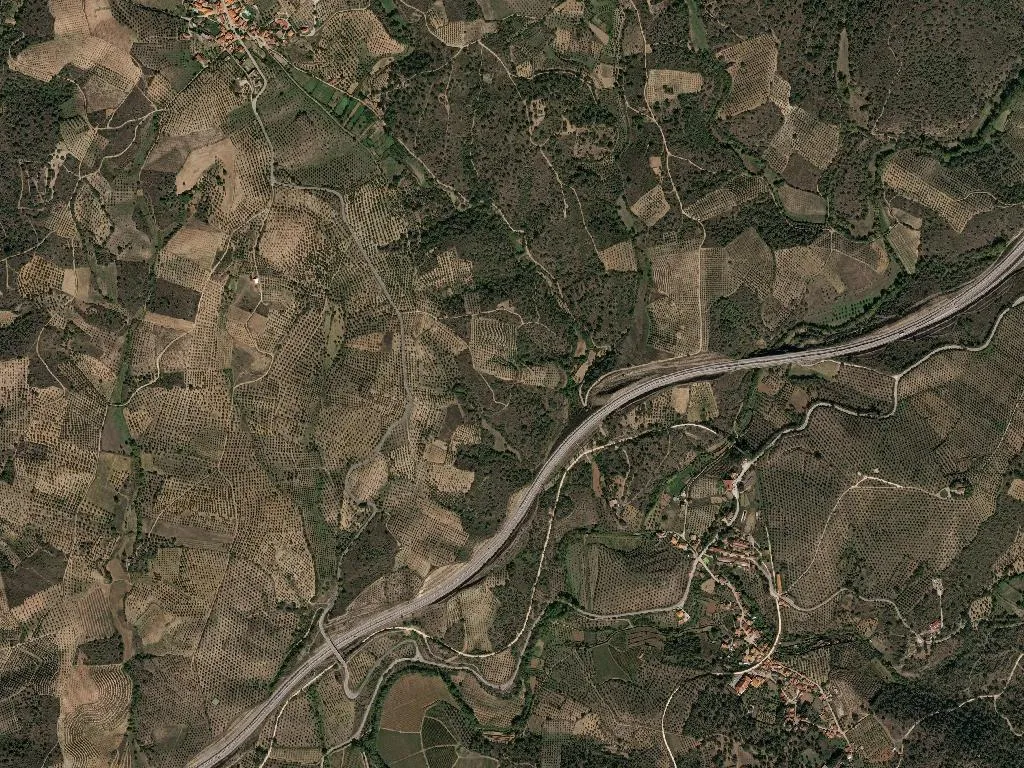
Administratively fused in 2013, the two villages now share 27 km² of olive terraces, chestnut groves and sheep pastures that shimmer between the region’s Cold and Hot Lands. Population density is among the lowest in Portugal: twelve souls per km², 341 in total, 193 of them past retirement age. Silence here is not empty; it has body, broken only by the chapel bell or the distant bleat of Terrincho sheep whose milk will become DOP cheese.
A December you can taste
On 26 December the Festa do Rapaz erupts. Bands of young men tour the stone houses, singing couplets in honour of St Stephen and collecting tribute – chouriço, cured ham, chestnuts – in a ritual that feels equal parts parish carol and pre-Christian bargaining for abundance. Doors stay open, smoke from curing sheds threads into the sky, and the air carries the twin perfume of oak logs and fermenting sausage.
What the table remembers
Mirandela styles itself Portugal’s charcuterie capital; these villages do their bit to uphold the claim. Breakfast can be alheira – a smoked, bread-bound sausage invented by crypto-Jews to look like pork – blistered on a grill, served with boiled potatoes and last month’s olive oil. Lunch might be kid goat that has spent four hours in a wood oven, the skin tightening to parchment. Between courses, Terrincho cheese arrives on discs of yellow maize bread. In November, chestnuts from the Cold Land replace wheat entirely; honey, either acacia or heather depending on the spring, finishes the meal.
Tracks written in stone
There are no way-marked trails, only the logic of shepherds and irrigation levadas. Paths of compacted earth wind between dry-stone walls, slipping from olive grove to dwarf oak and back again. Granite espigueiros – small, stilted granaries – punctuate the slopes, their padlocks rusted the colour of autumn vines. Below, the Tua valley scrolls out in ochre and bottle-green, the river’s abandoned railway tunnels now home to bats rather than coal.
When the Belha log finally catches, sparks climb the night like slow, inverted rain. Someone opens a bottle of last year’s red; someone else begins the next verse. No one checks a watch. The trunk will burn until it chooses not to, the community will outlast the frost, and the smoke will rise – deliberate, stubborn, impossible to hurry.